
- Benefits of CBD oil for autism
- What is the optimal dose of CBD for treating autism?
- Why you should avoid THC when treating autism
- Precautions when using CBD extracts for autism
- What is autism?
- How common is autism?
- What are the symptoms and manifestations of autism?
- What causes autism?
- How is autism diagnosed?
- Conventional treatment of autism
- What is CBD?
- What are cannabinoids?
- What CBD oil should be used for autism?
Autism spectrum disorder is an increasingly common condition, usually identified in early childhood. There are virtually no effective treatments for this condition, which negatively affects the quality of life and employment opportunities of those affected.
CBD shows promise as a new and effective treatment option for anyone suffering from this condition. In this article, we discuss how CBD can be used to help with autism, what research says about it, and how to choose the best CBD oil.
Benefits of CBD oil for autism
CBD has many recommended uses, some of which are guaranteed – others are a little more borderline. When it comes to autism – a complex and difficult-to-treat condition – CBD is a promising new treatment option.
Many children with autism spectrum disorder (ASD) often have insufficient production of anandamide (one of our primary endocannabinoids) and changes in both serotonin and dopamine – two important neurotransmitters in the brain.
CBD works specifically by optimizing anandamide levels in the body by preventing its breakdown and increasing the release rate of this important regulatory molecule. This offers direct benefits for autism by addressing what many scientists believe to be one of its main causes.
CBD can improve autism symptoms in the following ways:
- Reduces the frequency and severity of seizures
- Reduces the severity of dysfunctional social behavior in autistic patients
- Reduces symptoms of social anxiety
- Alleviates addictive behavior
- Stabilizes mood disorders
1. Seizures
One study showed that CBD extracts reduced epileptic seizures in 89% of patients. This is significant when you consider that approximately 20-30% of people with autism experience occasional or frequent seizures.
A CBD-based pharmaceutical drug specifically for the treatment of seizures has even been launched on the market. It is called Epidiolex.

2. Social behavior dysfunction
A characteristic feature of autism is problems with social behavior. Patients often experience social anxiety, an inability to communicate effectively, and inattention to social stimuli.
Most research in this area is conducted through case studies involving reports from doctors and parents who care for autistic children using CBD oil. These caregivers note the slightest improvement or deterioration in social behavior during treatment.
In an effort to improve our understanding of this problem, scientists have begun to conduct studies on rats. Many of these studies have reported significant improvements in social behavior in affected rats after CBD administration.

3. Anxiety
Anxiety is an issue where CBD can really help. CBD acts in several ways in the central nervous system associated with stress and anxiety, starting with influencing the hypothalamus – the main regulator of stress and anxiety responses.
CBD increases the sensitivity of this important area of the brain, making it more responsive to stress and therefore better able to regulate an appropriate response to it.
People with autism often cannot use this area of the brain to effectively manage stress and often suffer from any change in their daily routine or environment. Other studies have shown a direct improvement in social anxiety scores in a model based on public speaking.
4. Addictive behavior
One of the most common traits of autistic children is addictive behavior toward stimulating activities such as video games or television.
The main cause is thought to be a dysfunction in dopamine release. This neurotransmitter plays a key role in the brain’s reward center, which gives us a dose of the feel-good molecule oxytocin when we do something that benefits the body.
In some people, such as those with autism or ADHD, dopamine levels are low, causing them to seek greater stimulation to achieve the same response. This facilitates the development of addiction to stimulating activities such as television and video games.
In preclinical studies, CBD has been shown to improve addictive behavior by improving the dopamine reward system – allowing patients to find the reward response more easily without having to seek excessive stimulation.
5. Mood disorders
Mood disorders are a common finding in patients with autism. The most common forms are depression, anxiety, bipolar disorder, mania, and psychosis. Many of these are regulated by serotonin activity in the brain.
CBD has been shown to reduce serotonin receptor hyperactivity and has similar effects to lithium, a common pharmaceutical mood stabilizer.
What is the optimal dose of CBD for treating autism?
Finding the right dose of CBD is perhaps the most complicated part of the whole process.
This is because the endocannabinoid system is incredibly diverse in each person, so it is difficult to say in advance exactly how much CBD is needed to achieve the desired effects.
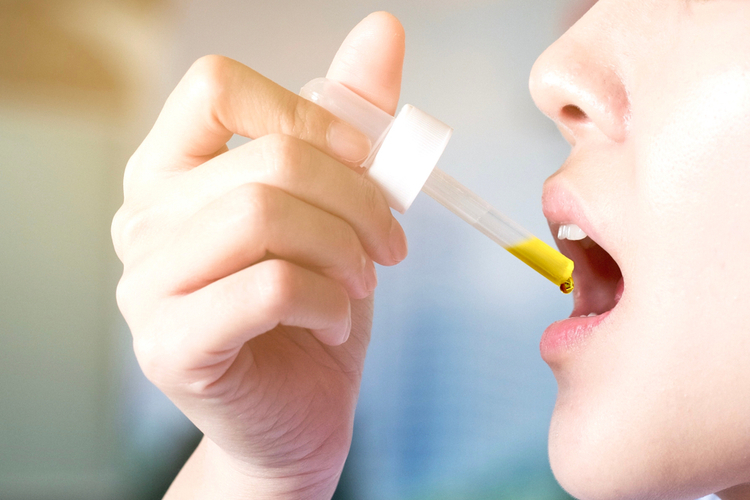
Even with autism, it is important to always start with a very low dose and gradually increase it over time as the effects become apparent.
For adolescents and adults, you can use our CBD oil dosage calculator. However, for children, you will need to adjust the dose differently. It is best to visit a pediatrician who can provide expert advice on how to safely use CBD oil in young children.
For autism, we recommend staying on the conservative side and starting with a much smaller dose than you think you will need – and then slowly increasing it. The right dose is the one that provides relief from symptoms.
Why you should avoid THC when treating autism
THC has been shown to reduce anandamide concentrations, which are already low in people with autism. A further decrease could worsen symptoms rather than improve them.
Cannabinoids such as THC and THCV can also cause anxiety rather than relieve it, which is one of the most problematic symptoms in people with autism spectrum disorder.
Precautions when using CBD extracts for autism
It is important to note that virtually all of the proven benefits of the cannabis plant for autism come from extracts with a high CBD and low THC content.
In fact, THC is likely to worsen symptoms. Therefore, it is essential that only cannabis extracts containing less than 0.3% THC are used for this condition.
What is autism?
Autism is not a single condition, but rather a group of related neurological disorders.
The official term for autism is autism spectrum disorder, which emphasizes the fact that it encompasses a spectrum of disorders, some of which are much more severe than others.
All forms of autism involve some degree of cognitive impairment. This often affects communication skills and a person’s ability to function at school, at work, or in other areas of life.
Some of the disorders included in or related to the autism spectrum are:
- Asperger’s syndrome
- Angelman syndrome
- Rett syndrome
- Dup15q syndrome
While autism often brings cognitive impairments, in some cases (~10%) ASD (PAS) includes a condition called “Savant Syndrome”, where a person can demonstrate outstanding abilities in mathematics, science, and artistic skills.
People with this syndrome tend to be much more proficient auditory and visual “learners” and have excellent memory. Of course, this is not always the case across the autism spectrum.
How common is autism?
It is estimated that 1% of the entire population suffers from autism, and this number is on the rise. It is increasingly important to find an effective prevention and treatment plan for patients suffering from this disease.
What are the symptoms and manifestations of autism?
The symptoms of autism can vary greatly from person to person. In order to classify them as autism spectrum disorder (ASD), there are certain general symptoms and manifestations that doctors take into account when making a diagnosis.
Symptoms and manifestations of autism may include:
- Aversion to eye contact
- Frequent ignoring or interrupting
- Rarely sharing fun with other people Pointing and showing off different things
- Solitary habits
- Difficulty in conversation
- Facial expressions that do not match the conversation
- Unusual voice tones (robotic or singing)
- Problems understanding other people’s perspectives
- Repetitive behavior
- Abnormally intense interest in certain topics
- Increased sensitivity to light or sounds
- Irritability
- Epileptic seizures (20-30% of cases)
What causes autism?
The causes of this condition are not well known. There are only a lot of theories. In fact, there are probably many factors that together cause autism.
We know that autism is more common in people who have other family members with the condition (genetic link), in children born to much older parents (40 years or older), in combination with other disorders (such as Down syndrome or Rett syndrome), and in children who are severely underweight at birth.
Possible causes of autism may include:
- Infectious diseases during fetal development or early childhood
- Severe underweight at birth
- Low thyroxine levels in the mother in the early stages of pregnancy
- Autoimmune diseases
- Vitamin D deficiency during early development
- Lead or mercury poisoning
- Fetal alcohol syndrome
How is autism diagnosed?
Autism is a developmental disorder, which means it arises in early childhood. Initial diagnosis usually occurs around the age of two, but it can occur at any age.
More severe forms of autism are easier to diagnose, while mild forms may remain hidden for decades.
The standard method for diagnosing autism is based on a book called the Diagnostic and Statistical Manual of Mental Disorders, or DSM5.
Doctors usually screen all children for signs of autism during regular health checkups. If there are any symptoms associated with the condition, further psychiatric evaluation may be ordered, but this is up to the doctor.
If autism is suspected, blood tests, hearing tests, and other psychiatric tests are performed to rule out any other symptoms that could indicate the condition.
Children with a tendency toward autism often have hearing difficulties.
Conventional treatment of autism
There is currently no effective treatment for autism.
Any treatment given is only for symptomatic support. It may include anti-anxiety medications, medications for attention deficit hyperactivity disorder (ADHD), antidepressants, and muscle relaxants, which are most commonly used.
In recent years, CBD has come to the forefront as a potential treatment for the disorder after a number of parents and doctors began sharing their successful experiences using CBD oils with autistic children. Let’s take a look at how it all works and what the evidence says about it.
What is CBD?
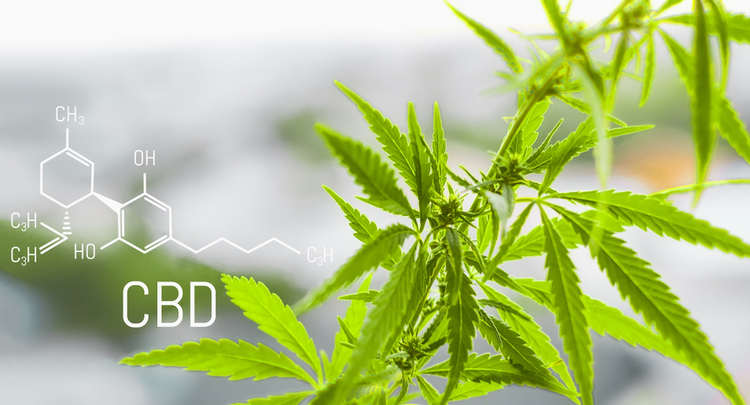
CBD is short for cannabidiol. It is one of two main cannabinoids found in the cannabis plant.
What are cannabinoids?
They are a group of compounds that interact with the endocannabinoid system in the body (more on that later). They can be natural (from plants) or artificially created.
The two main cannabinoids are THC and CBD. However, there are more than 60 other cannabinoids present in the cannabis plant in varying concentrations.
Of the two main cannabinoids, THC is responsible for psychoactivity, while CBD is not psychoactive. This means that it has no intoxicating effects, even in high doses. However, it does offer a range of therapeutic benefits, from anxiety relief to immunity boosting.
The role of the endocannabinoid system in autism
All mammals have a number of receptors and hormones/neurotransmitters that together form the endocannabinoid system. This system is involved in regulating processes throughout the body, including the liver, kidneys, brain, and immune functions.
It also plays a major role in regulating such matters as emotions and social interactions – two aspects that are deeply affected in individuals with autism.
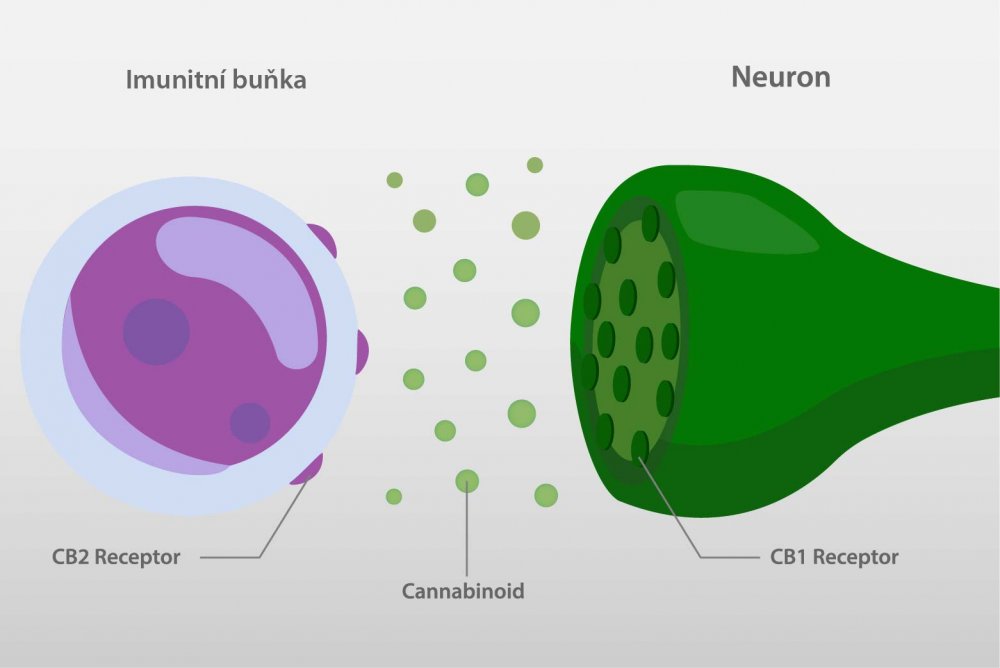
Studies have shown that individuals with autism have lower concentrations of the body’s main endocannabinoid, anandamide, compared to healthy individuals. This clearly suggests that a dysfunctional endocannabinoid system is associated with the symptoms of autism.
Some studies have even gone so far as to link autism to the release of oxytocin, the primary neurotransmitter associated with strengthening parental and social bonds. This process appears to be regulated by the endocannabinoid system.
What CBD oil should be used for autism?
When choosing CBD oil, it is always important to look for quality products and avoid cheaper, poorly manufactured options that are common on the market. Such extracts are unreliable and may contain harmful additives.
For autism, you can choose a full-spectrum extract – which includes all the other cannabinoids and terpenes in the plant – or CBD isolate.
Full-spectrum extract contains other compounds that help enhance the effects of CBD by improving its absorption, crossing the blood-brain barrier, and possibly even providing their own therapeutic support.
CBD isolates do not contain these additional ingredients but have a higher CBD content. Most autism research has been conducted using CBD isolates.
It is also important to avoid anything that contains THC. In many ways, it has the opposite effect of CBD and can further reduce anandamide levels, worsening the condition. Always check the THC concentration in the product.
Author: Elena Moreau
Photo: Shutterstock
“All information provided on this website, as well as information provided through this website, is for educational purposes only. None of the information contained herein is intended to be a substitute for a medical diagnosis and should not be considered medical advice or recommended treatment. This website does not endorse, condones or advocate the licit or illicit use of narcotic drugs or psychotropic substances or the commission of any other illegal activity. For more information, please see our Disclaimer.”
Imported from Canatura. Links have been converted to thcvapestores.com where possible.