Does CBD oil go bad over time? How to determine the shelf life of CBD products
- What affects the shelf life of CBD oil?
- How to check the quality of CBD oil
- How to tell if your CBD oil has gone bad
- CBD oil is dark and cloudy
- CBD oil smells and tastes musty
- Be wary of CBD oils sold at suspiciously low prices
- How to make CBD oil last as long as possible
- How to store CBD oils and tinctures
- How to store CBD edibles
- How to store CBD products for external use
- Can expired CBD oil cause health problems?
- Conclusion: Can CBD oil go bad?
The typical shelf life of CBD oil ranges from 12 months to two years. This is important to keep in mind, as older bottles of CBD oil may not have the same level of effectiveness because the active ingredients begin to break down over time.
In addition, carrier oils (hemp oil, coconut oil, or olive oil) combined with CBD extract can also go rancid, affecting the taste and texture of CBD oil.
Most people who use CBD oil will not encounter this problem, as they will ideally use it within 12 months. The problem often lies with the manufacturer or distributor when products are stored on warehouse shelves for a long time before arriving at your door. That is why it is so important to buy quality products from reliable brands. This is also one of the advantages of ordering directly from the manufacturer via their website.
What affects the shelf life of CBD oil?
Several factors come into play in the life of your CBD product. Here are some of the elements from manufacturing and packaging that can affect the overall quality of your CBD.
1. Carrier oil quality
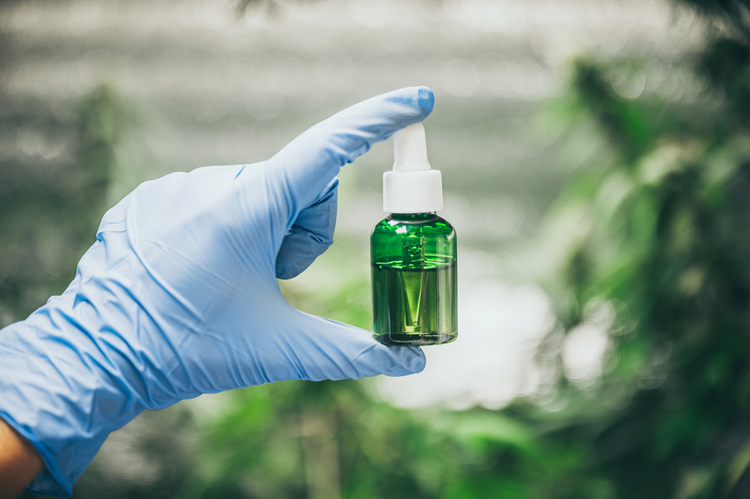
The shelf life of your CBD oil depends on the freshness of the carrier oil used. Carrier oils such as olive oil, MCT oil, and hemp seed oil are often the first ingredient to go rancid in your CBD product. We won’t delve too deeply into the chemical composition of these oils, but in short, these unsaturated fats have chains of carbon bonds that break down over time when exposed to oxygen. This process is called oxidation.
You can easily tell at first glance that a base made from coconut oil or MCT oil has gone bad because its color will change from white to yellow and it will thicken. With other carrier oils, upon closer inspection, you will find that rancid oils have a sour or rotten smell.
2. Other ingredients
The shelf life of your CBD product can be affected by its composition. For example, essential oils can offer your oils more benefits than just aroma.
CBD oils containing essential oils may have a longer shelf life because some essential oils are naturally antibacterial and antifungal. However, additives such as colorants and artificial flavors can affect CBD molecules and the expiration date.
3. Packaging
Amber glass bottles serve a purpose that goes far beyond aesthetics and branding for CBD oil. They help filter out UV light to prevent the degradation of active ingredients. Not only does the packaging material have a lot to do with the shelf life of your CBD oil, but the packaging equipment also has an impact.
Packaging Good Manufacturing Practices (GMP) is a set of procedures used in the medical industry to maintain high safety standards when it comes to packaging medicines. Although it is not standard in the CBD industry, GMP is being adopted by more and more brands.
4. Storage time
How quickly a manufacturer can move its product from production to the hands of customers can affect how much viable time you have left to use CBD oil. The less time CBD spends on warehouse shelves, the fresher it is when it reaches you, reducing the chances of CBD oil spoiling.
Smaller companies that make CBD products in small batches usually move their products much faster, maintaining their freshness when they reach customers.
Always check the date of manufacture of your product to determine its freshness.
How to check the quality of CBD oil
It is a good idea to look at third-party lab tests for any CBD products you plan to purchase.
Independent lab testing is becoming the standard for reputable CBD companies that prioritize transparency and the production of quality products.
The brand sends a sample of its CBD extract to a third-party laboratory to verify the cannabinoid and terpene content and ensure that it does not contain contaminants, including pesticides, heavy metals, solvents, and mycotoxins, which can affect the effectiveness and shelf life of your CBD oil.
How to tell if your CBD oil has gone bad
All good things must come to an end, and here are a few signs that it’s time to throw away expired CBD oil.
The CBD oil is dark and cloudy
The color of CBD oil can be clear, white, dark brown, or dark green, depending on the hemp extract and carrier oil used. If the carrier oil is coconut MCT oil, it may have a cloudy appearance, especially if stored in a cold area, and this is nothing to worry about.
When the oil is thick or brown at room temperature, that’s when the problem starts. It could be a sign that the CBD is starting to break down. You can hold the amber bottle up to a light source, examine the liquid, and look for any irregularities, such as cloudiness at room temperature.
How CBD oil looks can be a complicated way to tell if your CBD oil has gone bad, which brings us to our next well-known sign of CBD oil spoilage.
CBD oil smells and tastes rancid
CBD oil has a naturally bitter, earthy smell and taste. Some people describe it as “nutty” or “grassy.” Even if you’re not a fan of the taste of CBD oil, you’ll know it’s gone bad the moment it smells musky and tastes rancid.
Hopefully, you’ll notice the cloudiness and musty smell of CBD oil before you taste it.
The carrier oil (coconut oil, olive oil, or hemp oil) may have gone bad. These oils usually have a neutral taste, but when they spoil, they take on a sour taste. Buying older carrier oils is one way CBD manufacturers cut costs, so it’s important to buy CBD from a reputable supplier.
Be wary of CBD oils sold at suspiciously low prices
CBD oil production is expensive. There are many costs associated with producing a high-quality bottle of CBD oil, including those of growing the hemp, the extraction process, and the product’s formulation — not to mention all the associated safety testing and marketing.
Your average bottle of CBD should cost between $50 and $150, depending on the strength, size, formulation, and quality. If you find that CBD oil costs less than 1,000 CZK, be cautious and consider why the product is being sold at this lower price. It may be due to smaller packaging, but it may also be because the expiration date is approaching, or it may mean that the CBD manufacturer is looking for ways to reduce costs and has sacrificed the overall quality of the CBD oil.
How to make CBD oil last as long as possible
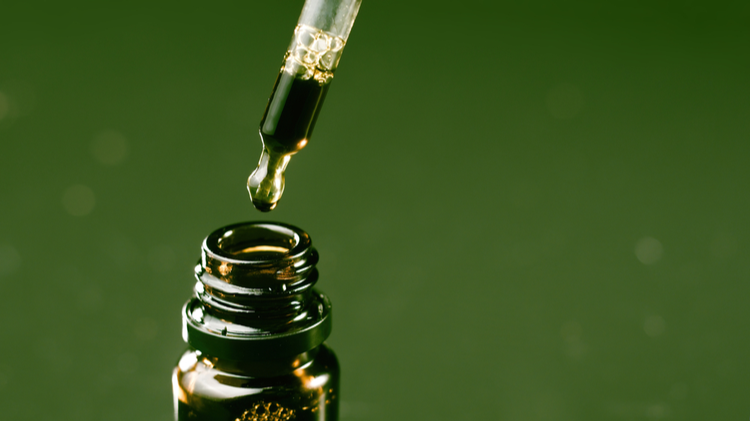
Even the highest quality CBD oil will eventually spoil. For many people, the 12-month minimum shelf life is enough time before CBD oil spoils, but if you want to preserve the freshness and effectiveness of your CBD oil, you need to store it properly.
Proper storage of your CBD oil can help extend its shelf life and slow down the gradual breakdown of active cannabinoids and terpenes. Protect it from heat and direct sunlight and store it in a cool, dry place.
Most people store their CBD products along with supplements and medications, as the proper storage conditions are the same. Some people keep their opened CBD oil in the refrigerator to extend its shelf life. This may not be necessary if you plan to use CBD daily (which is recommended for best results).
Regardless of which CBD product you purchase, you should store it away from direct heat and sunlight to preserve the potency of the cannabinoids.
If you want to store your CBD oil for a long time (more than a year), you can keep it unopened in the refrigerator for up to 3 years. You should avoid frequent removal from the refrigerator or damage to the seal. Some people buy CBD oil in bulk and store it in the refrigerator until they are ready to start using it.
How to store CBD oils and tinctures
Oils and tinctures have a relatively long shelf life compared to other edibles or some smoking products.
CBD oils and tinctures often come in amber-colored bottles to protect the active ingredients from breaking down when exposed to light. You can store CBD oils and tinctures in your medicine cabinet, pantry, or refrigerator. If you use them within a year, they should be fine.
How to store CBD edibles
The expiration dates of CBD edibles can vary drastically, depending on the other ingredients. Baked goods such as cookies are likely to spoil much sooner than gummy candies, hard candies, or chocolate CBD bars.
When you buy CBD edibles, you should plan to consume them within a few weeks while they are still fresh. In general, candies and chocolate bars can last longer on the shelf, but CBD and other cannabinoids are prone to degradation over time.
If you plan to store your CBD edibles for the long term, you can keep them in the freezer to preserve their freshness. Always check the best-before date when purchasing CBD edibles.
How to store CBD products for external use
CBD products for external use are a great way to bring the benefits of CBD to your skin. The shelf life of these CBD products is usually between 14 and 24 months, depending on the ingredients.
The essential oils added to the products act as natural preservatives and antibacterial agents that can keep the quality of topical CBD products stable. Like all other CBD products, store creams, balms, and massage oils in a cool, dry place.
Can expired CBD oil cause health problems?
Fortunately, consuming it will not cause you any health problems, but it will not taste very good and is unlikely to provide any of the benefits that CBD offers. When your CBD oil goes bad, it’s time to throw it away.
There is no point in using something that tastes awful and may not deliver the benefits of CBD, so if it doesn’t look or smell good, get rid of it.
If you are having trouble using up your CBD products before their expiration date, you may want to consider reducing the potency of the product. Try to match the potency of your CBD oil to your daily CBD requirements.
For example, 5,000 mg of CBD oil (30 ml) may last you much longer than 1,000 mg of CBD oil of the same volume if you find that your daily dose is 33 mg per day.
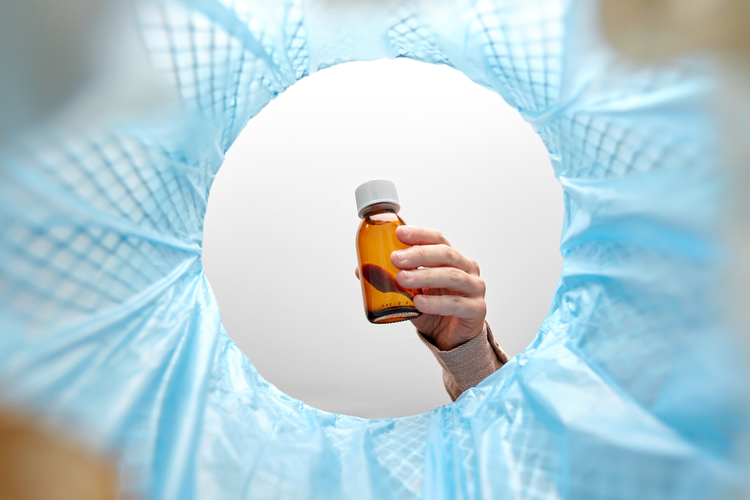
Conclusion: Can CBD oil go bad?
CBD oil can go bad. Most CBD oils have a shelf life of 1-2 years, which is enough time for most people to consume the product. In most cases, the problem is not poor storage or improper consumption on the part of the CBD user. The fault often lies with the manufacturer.
Companies producing CBD that want to make a quick profit may purchase low-quality carrier oils and substandard hemp extract to manufacture their products. In addition, these CBD oils may sit on warehouse shelves for months (or years) before reaching your doorstep, meaning that the CBD and other active cannabinoids may have already degraded significantly.
While ingesting expired CBD will not cause you any health problems, the overall loss of your hard-earned money is much worse.
To avoid purchasing low-quality CBD oil, always look for independent laboratory tests of the product and buy from reputable brands that have a track record of loyal users. You are much less likely to encounter quality issues with CBD if you follow these steps when shopping.
Author: Elena Moreau
Photo: Shutterstock
“All information provided on this website, as well as information provided through this website, is for educational purposes only. None of the information contained herein is intended to be a substitute for a medical diagnosis and should not be considered medical advice or recommended treatment. This website does not endorse, condones or advocate the licit or illicit use of narcotic drugs or psychotropic substances or the commission of any other illegal activity. For more information, please see our Disclaimer .”
Imported from Canatura. Links have been converted to thcvapestores.com where possible.