Will hemp cream or body lotion show up in a drug test?
- Hemp cosmetics and cannabinoid absorption through the skin
- THC and CBD content in hemp cosmetics
- Can a hemp cream or balm affect a drug test result?
- Conclusion
- FAQ
Hemp cosmetics and cannabinoid absorption through the skin
Cannabinoids that are applied topically (to the skin) act primarily locally. Common hemp creams and balms remain in the upper layers of the skin and hardly enter the bloodstream.
The skin acts as an effective protective barrier. Its top layer (stratum corneum) prevents the penetration of larger lipophilic molecules, including THC (tetrahydrocannabinol), unless the cosmetic product contains special substances that promote permeability.
THC is very difficult to absorb through the skin – it does not penetrate into the deeper layers of the skin due to its lipophilic nature and tendency to bind to the fatty layers of the skin.
What happens when you apply hemp cream
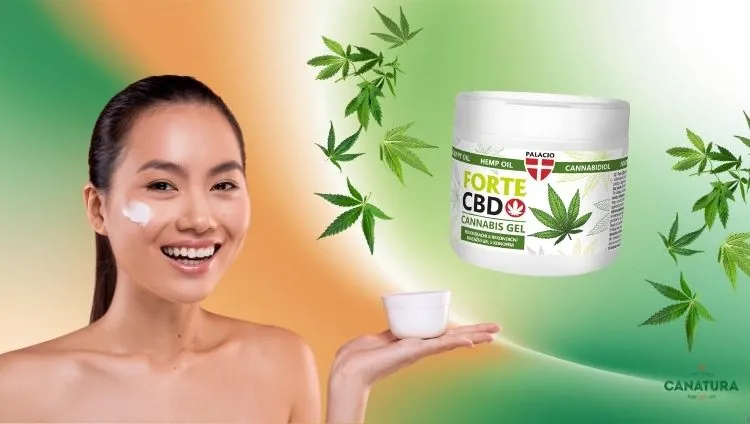
When you apply hemp cream to your skin, cannabinoids, primarily CBD (cannabidiol) and trace amounts of THC, bind to cannabinoid receptors in the skin and subcutaneous tissue, particularly CB2 receptors, which play a role in regulating inflammatory processes and pain perception.
The effect is therefore localised and can help relieve symptoms of pain, inflammation or itching at the site of application without the substances entering the bloodstream in measurable quantities or causing psychoactive effects.
Transdermal preparations (e.g. medicated plasters) are an exception. They are designed to effectively release cannabinoids through the skin into the bloodstream using carriers or so-called permeation enhancers, and can therefore cause systemic effects.
However, common cosmetic creams do not contain these substances, and therefore only negligible amounts of THC enter the bloodstream, as confirmed by a forensic experiment.
In this experiment, three volunteers repeatedly applied THC-containing ointments to their skin for three days. None of the ten subsequent blood samples contained detectable levels of THC or its metabolites (the detection limit was 0.4 ng/ml for THC in blood).
THC and CBD content in hemp cosmetics
The THC content in legally available hemp cosmetics is very low. In addition, the products often contain only hemp seed oil, which does not contain any cannabinoids.
This is because hemp seeds are naturally low in cannabinoids. The active ingredients in these products are therefore other substances, mainly fatty acids, vitamins and antioxidants contained in the oil, rather than cannabinoids.
In contrast, some cannabis ointments are produced by direct extraction from the whole plant or by adding a so-called full-spectrum extract. These products then contain a whole range of cannabinoids, including trace amounts of THC or CBD.
However, the legal limits for THC content are very strict. In the European Union and the United States, varieties with a THC content of less than 0.2–0.3% (1% in Czechia) are considered industrial hemp, and the same limits apply to cosmetic products.
According to an American analysis of 105 hemp ointments, balms and plasters, THC was detected in only 35% of the products tested, with the level remaining within legal limits (below 0.3%) in all cases.
An analysis of two commercially available cannabis ointments from Germany also confirmed that the THC content in these products is indeed negligible. One ointment contained approximately 102 ng of THC per 1 mg of ointment (i.e. about 0.0102% by weight), the other only 1.7 ng/mg (i.e. 0.00017%).
Such concentrations represent only trace amounts. For comparison: even if you applied 10 g of this “stronger” ointment to your skin, it would be about 1 mg of THC; moreover, most of it would not be absorbed into the bloodstream because it remains trapped in the surface layers of the skin.
Currently, many manufacturers produce THC-free products that contain only CBD or other non-psychoactive cannabis components, such as the cannabinoids CBG, CBN, or terpenes. Some products are made from CBD isolate.
Overall, commonly available cannabis cosmetics contain either no THC or minimal amounts, usually in the range of units to tens of parts per million (ppm).
Can hemp cream or balm affect test results?
Available evidence suggests that using cannabis ointment or body lotion will not cause a positive drug test. This is supported by the results of several studies:
Blood and urine tests
The aforementioned forensic study from Germany described the case of a driver who claimed that the THC in his blood (7.3 ng/ml) came from hemp ointment. However, subsequent tests showed the opposite – three volunteers applied the same ointment repeatedly for several days, and THC or its metabolites could not be detected in any of the 30 blood or urine samples.
Experts concluded that THC from topical preparations does not enter the bloodstream in measurable amounts. A positive test result must therefore come from another source, such as vaping.
Saliva tests
The risk of affecting a saliva test is minimal. Theoretically, a small amount of THC could enter the mouth if a person licked their fingers after applying the ointment, but even then it would be a negligible amount.
Standard cannabis creams are not released into saliva or breath in measurable concentrations. To be on the safe side, it is advisable to always wash your hands after application to prevent accidental transfer.
Hair tests
Hair tests are a bit different. For example, one study showed that after applying cannabis oil to the scalp for a few months, some participants had measurable traces of cannabinoids in their hair, even though they weren’t using cannabis. However, the metabolite THC-COOH, which is only produced when consumed internally, was absent. This means that THC only reached the hair through external contact.
For the average user, this means that cosmetic use of cannabis creams or oils will not show up in urine, blood or saliva tests, but long-term rubbing of oil into the hair may, in rare cases, cause a false positive result in a hair test, which is more of a forensic than a practical problem.
Conclusion
In general, commonly available cannabis cosmetics contain either no THC or a minimal amount (in the order of units to tens of ppm), which is well below the level that could affect the human psyche or standard toxicological tests.
According to available scientific knowledge, topical application of cannabis ointments or creams will not cause a positive THC finding in blood, urine or saliva. Cannabinoids are absorbed through the skin in very small amounts, which are insufficient to reach measurable concentrations in the body.
Unless you use cannabis in other ways, such as vaporisation, a standard drug test should not show a positive result.
An exception may be hair analysis, which can detect traces of external contamination from cannabis products. In most similar cases, however, THC metabolites (e.g. THC-COOH) are absent from the samples, indicating external contamination of the hair rather than internal use of THC (cannabis).
FAQ
Check out other questions that interest you most in relation to this topic.
1. What can affect a drug test?
The following factors can influence the result of a drug test:
- The type of sample (urine, saliva, blood, hair)
- The laboratory’s cut-off values
- Time since last use and frequency of use
- The quality/substance tested (e.g. THC adulterants in CBD products)
- Passive exposure
- Certain medications and foods
- Sample handling
After using regular cannabis cosmetics, standard THC tests in blood or urine will not detect anything; the exception is transdermal patches containing cannabinoids, which are designed for systemic absorption of active substances.
2. Is CBD measurable in blood?
Yes. After use (orally, sublingually or by inhalation), CBD is measurable in the blood using analytical methods; the concentration and duration of detection depend on the dose, method of administration and frequency of use. Systematic reviews report that the biological half-life of CBD (i.e., the time it takes for the amount of the substance in the body to decrease by half) ranges from hours to days.
However, standard measurement methods do not target CBD, but mainly monitor THC/THC-COOH (11-nor-9-carboxy-Δ⁹-THC, the main inactive metabolite of THC).
3. Can CBD cause a positive drug test?
CBD itself is not monitored in standard toxicological tests. However, THC present in full-spectrum or mislabelled products can cause a positive result.
In one controlled experiment, researchers pointed out that even very low THC levels can be sufficient – after vaporising cannabis with a predominance of CBD (≈10.5% CBD; 0.39% THC), the metabolite THC-COOH was detected in the urine of some volunteers (2 out of 6) as early as 4–8 hours after inhalation.
This suggests that the positive result is not caused by CBD, but by trace amounts of THC in the product, especially with regular use or higher doses.
4. Medical cannabis and driving: What are the rules?
In the Czech Republic, medical treatment does not justify driving under the influence. If laboratory analysis shows ≥ 2 ng/ml THC, it is at least a misdemeanour, regardless of whether it is a medicinal product.
Legislative rules concerning THC, especially in relation to driving, vary across the EU. Some countries have a numerical limit (e.g. Germany, the Netherlands), while others consider any detectable presence to be sufficient (e.g. France, Spain).
It is not recommended for drivers to get behind the wheel under the influence, even if it is prescribed medical cannabis. It is recommended that patients carry proof of treatment with them, which helps in proving their case, but this is by no means a licence to drive under the influence.
Sources:
- sciencedirect.com/science/article/abs/pii/S0379073817300130
- nature.com/articles/s41598-019-39609-0
- jamanetwork.com/journals/jamapsychiatry/fullarticle/2772629
- injepijournal.biomedcentral.com/articles/10.1186/s40621-014-0026-z/tables/2
- frontiersin.org/journals/pharmacology/articles/10.3389/fphar.2018.01365/full
- academic.oup.com/jat/article/46/6/583/6529814
- epravo.cz/top/clanky/prestupek-nebo-trestny-cin-limitni-hodnota-thc-vylucujici-schopnost-ridit-motorove-vozidlo
Author: Patricie Mikolášová
Photo: AI
“All information provided on this website, as well as information provided through this website, is for educational purposes only. None of the information contained herein is intended to be a substitute for a medical diagnosis and should not be considered medical advice or recommended treatment. This website does not endorse, condones or advocate the licit or illicit use of narcotic drugs or psychotropic substances or the commission of any other illegal activity. For more information, please see our Disclaimer .”
Recommended products
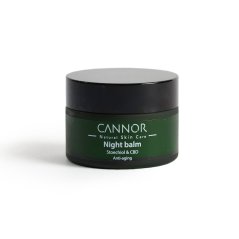
Cannor Night Moisturizing Balm with CBD, 25 ml
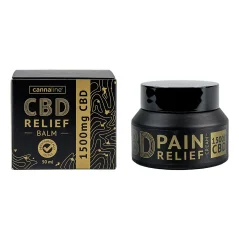
Cannaline CBD Pain relief balm, 1500 mg CBD, 50 ml
Konopný Táta Hemp Ointment Clear, 90 mg CBD, 80 ml
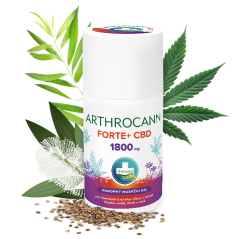
Annabis Activecann Gel Forte+ 1800 mg CBD, 90 ml
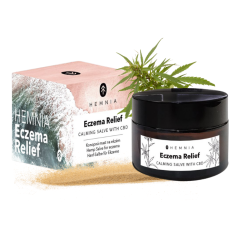
Hemnia Eczema Relief – Universal hemp ointment for eczema, 250 mg CBD, 50 ml
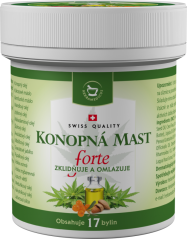
Herbamedicus Hemp ointment forte, 125 ml
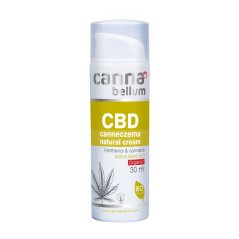
Cannabellum CBD canneczema natural cream, 30 ml
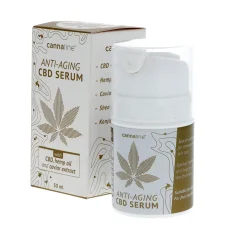
Cannaline CBD Anti-aging serum with caviar extract, 100 mg CBD, 50 ml
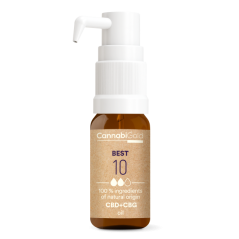
CannabiGold oil Best 10 % (9 % CBD, 1 % CBG), 1200 mg, 12 ml
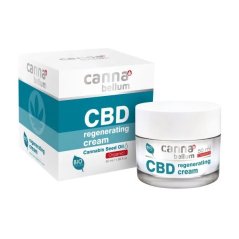
Cannabellum CBD regenerating cream, 50 ml
Imported from Canatura. Links have been converted to thcvapestores.com where possible.