
Can CBD oil help my dog with inflammatory bowel disease?
- What is inflammatory bowel disease?
- Acute gastroenteritis in dogs
- Eosinophilic IBD
- How is IBD diagnosed?
- Diet for dogs with IBD
- Tests for gastrointestinal diseases in dogs
- Symptoms of IBD
- Can IBD be cured?
- Inflammation of the intestines
- Gastroenteritis
- Diarrhea in dogs
- Malabsorption
- Treatment
- Bloating
- Non-infectious diseases
- What is CBD oil?
- A 2018 study demonstrated the effectiveness of CBD oil for nausea and loss of appetite
- CBD interacts with the endocannabinoid system (ECS)
- Cannabidiol may be beneficial for digestive health in dogs
- Gut health and the endocannabinoid system (ECS)
- CBD as an Antibiotic
- CBD to Reduce Inflammation in Dogs
- CBD Oil for Dogs
If your dog suffers from recurrent or chronic vomiting and/or diarrhea leading to weight loss and loss of appetite, consult your veterinarian. Inflammatory bowel disease can affect any breed of dog, with German Shepherds, Yorkshire Terriers, and Cocker Spaniels being the most prone to gastrointestinal disorders. IBD is a group of digestive system disorders diagnosed by specific symptoms and inflammation without a clear cause.
IBD can affect dogs of all ages, breeds, and genders. The most common age of onset for this disease in dogs is six years, although it can affect dogs younger than two years old.
If you have a furry best friend suffering from IBD, your veterinarian may recommend CBD tincture for pets. In this article, we’ll look at how CBD can be beneficial for inflammatory bowel disease in dogs. Keep in mind that IBD is a serious condition that is painful and dangerous for pets.
Fortunately, IBD in dogs can be prevented and, once the cause is identified, treated. This means that CBD products for pets can be beneficial for reducing intestinal inflammation and promoting weight gain. Glucocorticoids are also used as anti-inflammatory agents, but they suppress the immune system, whereas cannabidiol can strengthen the immune system, helping to keep your dog healthy and free from diseases and infections.
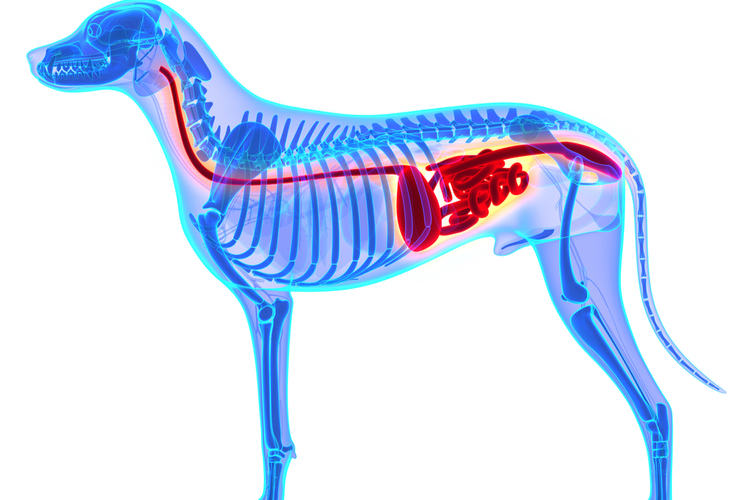
What is inflammatory bowel disease?
Inflammatory bowel disease (IBD) can be difficult to diagnose due to many symptoms that are similar to other conditions. The severity of this condition depends on the type of immune cells involved, which include lymphocytes and plasma cells, eosinophils, or neutrophils (bacterial infections).
There are two most common types in pets. Let’s take a look at them and also at how CBD can be beneficial.
Acute gastroenteritis in dogs
Acute gastroenteritis is the most common form of IBD in dogs and occurs when lymphocytes and plasma cells enter the stomach lining and intestines. It is the result of an abnormal immune response to environmental triggers.
The exact cause is unknown, but it may be due to the body’s reaction to intestinal bacteria. The most common symptoms are diarrhea, but vomiting also occurs if the stomach is affected.
Eosinophilic IBD
This is an inflammatory condition affecting the stomach and intestines and is the second most common type of IBD affecting dogs. Eosinophilic IBD occurs when the stomach lining is affected by specific white blood cells called eosinophils.
Eosinophilic gastritis (EGE) can be severe and causes occasional vomiting. Eosinophilic IBD tends to be more severe than lymphocytic IBD.
How is IBD diagnosed?
IBD can be difficult to diagnose. Intestinal changes caused by IBD can be seen when a veterinarian uses an endoscope. The goal of treatment is to reduce vomiting and diarrhea, promote weight gain, and reduce intestinal inflammation. A dietary change for dogs may also be recommended.
Changes to your dog’s diet can also help improve the effectiveness of medications. This may allow for a reduction in medication doses or discontinuation of treatment once symptoms improve.
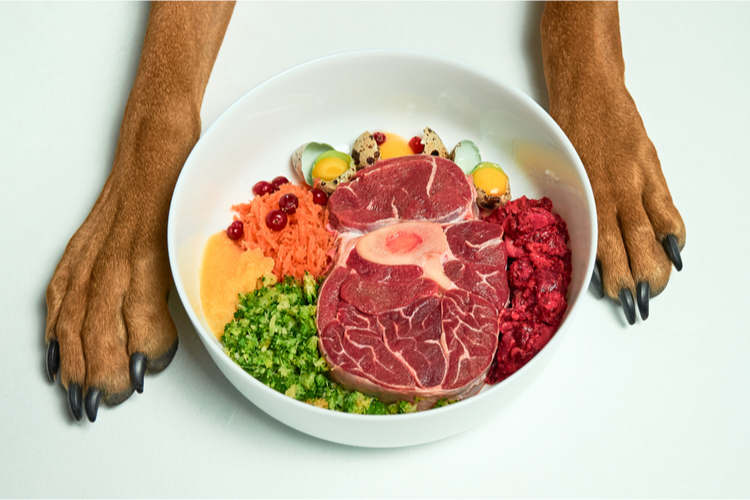
Diet for Dogs with IBD
Dogs may benefit from a hypoallergenic or elimination diet. Your dog will need a new protein source or a change in diet. Sometimes a homemade diet, such as lamb and rice or venison and rice, is recommended.
Commercial diets for treating IBD are available from veterinarians. The new diet must be fed for up to six weeks. Dogs suffering from diarrhea generally do well on high-fiber diets.
Tests for Gastrointestinal Diseases in Dogs
Gastrointestinal diseases involving vomiting and diarrhea in dogs also require fecal testing. Your veterinarian may perform several diagnostic tests.
These tests may include:
- Microscopic fecal examination
- Gram staining (to check for abnormal bacterial growth)
- ELISA test to detect the Giardia parasite
- Fecal PCR test to check for the DNA of various parasites, bacterial toxins, and bacteria
Symptoms of IBD
Symptoms include vomiting, diarrhea with mucus (sometimes with blood), and weight loss, and it may take a while for veterinarians to determine the cause. Dogs with irritable bowel syndrome may also experience discomfort after eating, causing them to eat less and lose weight. You may also notice frequent, small bowel movements.
Since IBD can lead to nutrient deficiencies, the goal of treatment is to reduce diarrhea, promote weight gain, and reduce intestinal inflammation.

Since commercial pet food does not meet all of our pets’ nutritional needs, it is important to include nutritional supplements such as probiotics and CBD, which can help with digestive issues. This means that a supplement taken as a standalone product ensures proper dosing and effectiveness more than supplements added to commercial dog formulas.
Can IBD be cured?
Fortunately, IBD in dogs can be prevented and, once the cause is identified, treated.
Your veterinarian may try a variety of medications and/or test new dietary habits on your dog to determine what your dog responds to. Because IBD is a complex condition that can be confused with other common canine intestinal issues, your veterinarian will need to rule out other common digestive tract problems.
Parasites or dietary issues, such as food allergies, must be considered. Food allergies are usually an unlikely cause, but they can contribute to the development of irritable bowel syndrome in dogs.
Intestinal inflammation
It can result from excessive allergic reactions to food, bacteria, or parasites in the intestine. Intestinal inflammation damages the mucosal barrier that protects the intestinal lining and leads to increased intestinal sensitivity to antigens. If there is persistent inflammation in the intestine, it will result in thickening of the lining and cause further changes in the intestinal lining.
CBD oil may be beneficial for reducing intestinal inflammation and supporting weight gain. Glucocorticoids are also used as anti-inflammatory agents, but they suppress the immune system, whereas cannabidiol can strengthen the immune system, helping to keep your dog healthy and free from diseases and infections.
Gastroenteritis
Gastroenteritis refers to inflammation of the gastrointestinal tract. It typically occurs in the stomach and intestines as a result of bacterial infections, parasites, or viruses. It can also stem from a reaction to medications or changes in diet.
Diarrhea in Dogs
This is a sign of digestive upset and can be attributed to many causes. Watery diarrhea, which is high in volume, is usually associated with hypersecretion. This is a condition in which excess fluid is secreted into the intestines and may be the result of a bacterial infection. It can also be caused by malabsorption, where the body is unable to properly absorb nutrients.
Malabsorption
Malabsorption occurs when there is a dysfunction of the intestinal cells responsible for absorption. It can be caused by viruses such as parvovirus, coronavirus, and rotavirus. It can also be caused by conditions that limit the intestines’ ability to absorb fluids. Malabsorption is also caused by disorders of pancreatic secretions, which are necessary for effective digestion.
Diarrhea can lead to dehydration and electrolyte imbalance, which can lead to shock. This means it is best to consult a veterinarian to check for specific disorders or diseases affecting the digestive system.
Treatment
Medications may not always be beneficial for conditions involving diarrhea or constipation. Dogs are sometimes prone to diarrhea when they need to rid themselves of harmful organisms and their toxins. Furthermore, some of these medications may not be beneficial in treating the condition. Your veterinarian may also recommend fluid and electrolyte replacement to prevent dehydration if your dog is experiencing severe vomiting or diarrhea.
Bloat
If your dog is suffering from one of the most dangerous conditions, bloat, immediate veterinary care is essential. A gastric tube or surgery may be recommended if the digestive tract is distended by gas, food, or fluid.
Non-infectious diseases
Causes of non-infectious diseases affecting the digestive system include:
– Overeating
– Consumption of poor-quality food
– Chemicals
– Ingestion of a foreign object resulting in injury to the digestive system
– Enzyme deficiencies
– Stomach ulcers
Diseases of the digestive system include conditions such as vomiting and diarrhea resulting from kidney, adrenal, or liver failure. The causes of bloating or gastric torsion are not yet known.
What is CBD oil?
CBD is a non-psychotropic phytocannabinoid that offers therapeutic and healing benefits for all dogs. To help you better understand the benefits of CBD oil for dogs that have lost their appetite, studies on CBD have shown that CBD can be beneficial for improving appetite, relieving chronic pain, helping with digestive and skin issues, and more!
CBD oil for pets contains more than 113 phytocannabinoids, which work together as a therapeutic supplement. THC is the only phytocannabinoid not found in CBD products for pets. Since hemp plants naturally have low THC levels, this makes it easier for hemp growers to further eliminate THC levels, ensuring 100% safety for all cats, dogs, and horses.
CBD derived from industrial hemp has a higher concentration of cannabidiol and lower levels of THC. Hemp is a natural supplement that cannot be overdosed. It is safe and non-toxic, and excess cannabidiol is excreted. This means it is much healthier than giving your dog painkillers, which can have long-term side effects and damage the kidneys and liver—though for serious illnesses, your dog will still need to take pain medication.
A 2018 study demonstrated the effectiveness of CBD oil for nausea and loss of appetite
A 2018 study showed how cannabidiol (CBD) can be effective in preventing nausea. The study adds that researchers “observed an increase in levels of the neurotransmitter serotonin in the interoceptive insular cortex of rats (IIC)—the brain region responsible for nausea in humans—following injection of the nausea-inducing chemical compound lithium chloride.
This increase in serotonin and the subsequent behavior (behavior exhibited by the rodents toward flavors associated with nausea) was prevented by treatment with cannabidiol—a component of cannabis that does not contain the compound found in recreational marijuana responsible for the drug’s psychoactive effects.
The study further states that “Treatment with a drug that increases levels of the endogenous cannabinoid, 2-AG, also prevented the increase in serotonin levels in the IIC through activation of the cannabinoid receptor type 1. These findings implicate the endocannabinoid system and IIC serotonin release in the sensation of nausea, opening up new therapeutic opportunities to be explored in future research.”
CBD interacts with the endocannabinoid system, which regulates endocrine processes. By activating receptors in the brain and body, CBD also influences the endocrine system. This system consists of a group of tissues that release hormones into the bloodstream, which in turn travel to other parts of the dog’s body.
CBD interacts with the endocannabinoid system (ECS)
Some hormones act on only one tissue, while others affect the entire body. When cannabidiol is used in dogs with reduced appetite, it activates the endocannabinoid system and stimulates appetite.
Cannabidiol acts on endocannabinoid receptors and influences them by regulating neural transmissions. CBD oil for dogs is useful in treating many conditions without psychoactive effects.
CBD for pets contains phytocannabinoids, terpenes, and fatty acids that help combat a wide range of conditions, such as phobias, anxiety, joint pain, inflammation, digestive issues, mobility problems, and seizures. Currently, there are numerous studies suggesting that CBD for pets may have many uses, some of which traditional medications cannot address.
Cannabidiol may be beneficial for digestive health in dogs
First and foremost, if your dog shows signs of illness, consult a veterinarian about treatment. Some symptoms of digestive issues in dogs, such as poisoning, bloating, pancreatitis, liver or kidney failure, or intestinal or stomach blockages, can be serious. CBD is not a substitute for veterinary care or treatment.
Gut Health and the Endocannabinoid System (ECS)
The ECS comprises a network of receptors, specialized proteins, and neurotransmitters that collectively regulate your dog’s bodily functions. Furthermore, research has found that cannabidiol is effective in improving gastrointestinal motility. It does so by reducing inflammation and enabling the digestive tract to function properly.
CBD as an Antibiotic
Another 2019 CBD study from the Institute for Molecular Biology in Queensland, conducted by Dr. Blaskovich and his team of researchers, in collaboration with Botanix Pharmaceuticals LTD, found that cannabidiol is beneficial in combating Gram-positive bacteria such as Staphylococcus aureus and Streptococcus pneumoniae with an efficacy similar to that of established antibiotics such as vancomycin or daptomycin. Its potential as an antibiotic is now being investigated.
CBD for Reducing Inflammation in Dogs
A 2017 study concluded that “given the documented anti-inflammatory effects of cannabidiol, existing safety data in humans, and the potential for various routes of administration, it is a promising new antibiotic worthy of further investigation.”
Importantly, the compound retained its activity against bacteria that had become highly resistant to other common antibiotics. Under conditions of long-term exposure that led to resistance against vancomycin or daptomycin, cannabidiol did not lose its efficacy. Cannabidiol was also effective at disrupting biofilms, a physical form of bacterial growth that leads to hard-to-treat infections.
Today, we understand how closely gut health is linked to other bodily systems, such as the central nervous system and the immune system. Given that the endocannabinoid system plays a major role in the gut-brain axis in dogs, it appears that CBD products for pets may be beneficial in combating your dog’s stomach issues.
CBD can also be used as a preventive care supplement to promote optimal animal health.
A 2020 study on how cannabinoids may help treat IBD in humans adds that “Endogenous cannabinoids (endocannabinoids) have demonstrated a regulatory role in inflammation and mucosal permeability of the gastrointestinal tract, where they likely interact with the gut microbiome. Anecdotal reports suggest that cannabis has antinociceptive, anti-inflammatory, and antidiarrheal properties in humans.”
CBD Oil for Dogs
Cannabidiol oil works with the ECS to support gut health. If you decide to buy CBD tincture for your furry best friend as a digestive aid, keep the following in mind:
– Organic CBD oil
– Specifically formulated for pets
– Includes accurate and informative dosing instructions
– Comes with a certificate of analysis
CBD can help pets with irritable bowel syndrome, gastritis, food allergies, and other stomach issues. Additionally, it can be beneficial in fighting both parasites and infections. Cannabidiol products for pets, made from high-quality CBD oil, can also help reduce the side effects of traditional veterinary medications, making dogs feel more comfortable during treatment.
CBD can also help increase your dog’s appetite and strengthen their weakened immune system. Cannabidiol tinctures or treats are also beneficial for reducing stress and pain in dogs suffering from stomach upset.
Minimizing your dog’s digestive issues while strengthening their immune system involves more than just a high-quality product for dogs. Why some dogs are prone to IBD is unknown. We know that extensive infiltration of immune system cells into intestinal tissues causes painful inflammation. Dogs suffering from IBD may exhibit a range of symptoms that can resemble other conditions.
Adding probiotics and/or CBD can be beneficial for protecting against intestinal issues and bloating, and for suppressing the growth and activity of harmful bacteria through live microbes. A dog’s immunity is also found in its gut, which means that taking care of your best furry friend’s gut health can ensure optimal health, vitality, and focus!
Author: Elena Moreau
Photo: Shutterstock
“All information provided on this website, as well as information provided through this website, is for educational purposes only. None of the information contained herein is intended to be a substitute for a medical diagnosis and should not be considered medical advice or recommended treatment. This website does not endorse, condones or advocate the licit or illicit use of narcotic drugs or psychotropic substances or the commission of any other illegal activity. For more information, please see our Disclaimer .”
Imported from Canatura. Links have been converted to thcvapestores.com where possible.