
Cannabis and ADHD Treatment
- What is ADHD?
- Traditional treatment for ADHD
- Does cannabis help with ADHD?
- What have research studies found?
- ADHD and marijuana: The world of alternative treatment
- Cannabis in the ADHD brain
- Medical marijuana use for ADHD
- Possible side effects
- Precautions when using marijuana for ADHD
- Sativa or Indica for ADHD?
- CBD and ADHD
Among supporters of the medical use of marijuana, there are growing calls for the plant to be approved as a treatment for ADHD. Are marijuana and ADHD really compatible—and if so, why?
What is ADHD?
Everyone daydreams and loses focus from time to time, especially when working on a task that is monotonous or uninteresting. For people with ADHD, or attention deficit hyperactivity disorder, maintaining attention is a constant struggle.
Once these people start working on something, they have trouble organizing and sticking with the task. They are often hyperactive and tend to move or talk excessively, often annoying other people around them.
People with ADHD also tend to make rash, impulsive decisions without thinking them through first. None of this happens because they are unable to understand the facts or are trying to break the rules. The brains of people with ADHD simply work differently than everyone else’s.
At best, it can be frustrating for them to complete tasks such as schoolwork or (for adults) work-related projects. At worst, the condition can lead to relationship problems, job loss, and failure to reach personal potential.
A diagnosis of ADHD can help people understand why seemingly simple tasks become insurmountable obstacles for them.
The number of people diagnosed with the disorder is growing. In 2019, 10% of American children and 4% of adults were diagnosed with the disorder.
Traditional ADHD Treatment
ADHD was first identified in 1902 by pediatrician Sir George Still (who described the disorder as “an abnormal disorder of moral control in children”). Since then, the search for a permanent cure has been ongoing.
New therapies and medications have emerged for parents of children with ADHD, as well as for people who struggle with the disorder as adults.
Therapy
For many people, therapy can be a great help in coping with ADHD.
Behavioral therapy can help individuals learn to change certain behaviors, increase their self-control, and boost their self-esteem. At the same time, family therapy can help loved ones learn how to help the person make these changes.
Medication
Prescription medications are often combined with therapy to address ADHD at the brain chemistry level. Stimulants such as Ritalin and Adderall can often provide relief from ADHD symptoms such as forgetfulness, excessive movement, inability to focus, and disorganization.
However, the side effects of these medications can be frustrating. Patients often experience a huge reduction in appetite, stomach pain, headaches, sleep problems, and feelings of anxiety. This can lead people with ADHD to decide to cope with the symptoms of their disorder rather than deal with the side effects of medication.
It is this dilemma that leads many people to question whether medical marijuana could be used to treat ADHD in order to strike a balance between negative effects and effective treatment.
Does cannabis help with ADHD?
Scientists have long focused on the link between cannabis and ADHD in terms of whether people with ADHD were at higher risk of becoming cannabis users. In recent years, however, attention has shifted to the use of cannabis as an alternative to prescription drugs for treating this disorder. Could treating ADHD be one of the many health benefits of cannabis?
Cannabis and ADHD may seem like an odd pairing, as marijuana is often thought of as a substance that causes forgetfulness and lack of concentration. However, like stimulants, cannabis affects the brains of those without attention deficit disorder differently.
Cannabis in the ADHD Brain
How does marijuana work in the brain of a person with ADHD? Due to a chemical imbalance, the brains of people with ADHD are overwhelmed and cannot process all the information that comes their way. It’s like being in a room with twenty televisions turned on at full volume, each playing a different program.
By binding to dopamine particles in the brain and maintaining consistent levels, stimulant medications can help calm the brain and restore its ability to focus. Medications that would overstimulate those who do not have ADHD work the opposite way in patients with the disorder. That is why marijuana and ADHD are such a fascinating pair.
Marijuana contains cannabinoids, chemicals that have proven effective in treating both emotional symptoms, such as anxiety, and physical symptoms, such as chronic pain.
These cannabinoids can help increase dopamine levels in the brain. They do this differently than stimulant medications, but the result is the same: an increased sense of calm, as well as the ability to manage time, organize activities, and complete tasks. The same strain of cannabis that might cause a person without ADHD to be unable to concentrate may help someone with the disorder function better at work, at home, and in life.
As highlighted in one study, “Adults with ADHD may represent a subgroup of individuals who experience symptom reduction without cognitive impairment after cannabinoid use.”
Consumption of medical marijuana for ADHD
Proponents of cannabis use in the treatment of ADHD emphasize not only its effectiveness but also its wide range of methods of use and dosage.
While smoking is a popular method of cannabis consumption, studies warn of the lung damage that regular smoking can cause—even for medical purposes. However, as medical cannabis becomes legally available in more and more places, patients now have other options.
Those who want to use cannabis to relieve ADHD symptoms can take the dose in the form of oral sprays or suitable oils and drops. Patches can help deliver medication through the skin.
Vaporizers allow you to use cannabis extract without smoke, easily dose it, and the effect is almost immediate.
Children who consume cannabis for ADHD often use cannabis-infused foods.
Possible side effects
Side effects of marijuana use may include:
- dizziness
- anxiety
- disorientation
- dry mouth
To avoid unwanted effects, patients should always start with the lowest possible dose. They should also work with their healthcare providers to determine whether several small doses throughout the day are necessary to achieve optimal relief.
Precautions when using marijuana for ADHD
Keep in mind that stopping or changing any medication should always be done under the supervision of a doctor. People should also refrain from consuming cannabis or concentrates together with prescription medications unless this combination has been approved by their healthcare provider.
Sativa or indica for ADHD?
When it comes to treating ADHD, marijuana is not right for everyone. Different strains can have completely different effects. Sativa strains are typically stimulating and uplifting, while indica strains are calming and relaxing.
As with most medications for mental health issues, many patients have found that it takes time to find the right type of cannabis and dosage that works well enough to relieve their ADHD symptoms.
Some find that sativa strains work well to help them focus and stick with tasks, while others need indica to calm their brains and slow down racing thoughts. Hybrid strains provide an excellent option for those who want to treat their ADHD with a blend of sativa and indica.
CBD and ADHD
In addition to the whole plant, the use of CBD has begun to be considered as a potential treatment for ADHD. CBD (cannabidiol) is one of many cannabinoids found in cannabis. It differs from THC in that it is not psychoactive. Instead, CBD leaves users feeling clear-headed and calm.
This calming factor is key to CBD’s use in ADHD and has sparked discussion about its use as an alternative to pharmaceutical ADHD medications.
What have research studies found?
Does marijuana help with ADHD, or are reports of relief merely due to the placebo effect? Scientists insist that further study is needed to understand more about the effects of marijuana use on ADHD. However, initial research has shown promising results.
A 2008 study conducted by researchers at Heidelberg University Medical Center found that in some people with ADHD, “cannabis use had a positive impact on the subject’s performance, behavior, and mental state.”
If there are few studies on ADHD and marijuana, there are even fewer on the effectiveness of CBD for ADHD. However, the results of the few studies that have been conducted are favorable for CBD advocates. One study showed that CBD inhibited hyperactivity in rats.
Those who suffer from ADHD also tend to experience anxiety and depression as secondary symptoms of the disorder. This exacerbates an already frustrating situation. Several studies on the effects of cannabis have shown that it is effective in treating anxiety and depression.
As a result, cannabis treatment has a dual impact, addressing both the primary condition and the secondary conditions often caused by the disorder.
Healthcare providers have indeed begun to look at cannabis as a potential treatment for ADHD in both adult and juvenile patients. Some doctors have opted for cannabis as a safer and more natural alternative for children suffering from ADHD and other neuropsychiatric conditions.
ADHD and marijuana: The world of alternative treatment
For many years, individuals with ADHD faced a daunting choice—struggle with their disorder or battle the often unpleasant side effects of stimulant medications. Medical marijuana for ADHD patients offers a world of alternatives in terms of effects, strains, and methods of use.
The use of CBD for ADHD provides even more options without being associated with the whole plant.
While research on this topic has been scarce, the studies that have been conducted point in one direction—particularly when pharmaceutical drugs are not well tolerated, marijuana may provide relief for those suffering from this frustrating and sometimes debilitating disorder.
Author: Elena Moreau
Photo: Shutterstock
“All information provided on this website, as well as the information provided on this website, is for educational purposes only. None of the information provided herein is intended to be a substitute for a medical diagnosis, and such information cannot be considered medical advice or recommended treatment. This website does not endorse, approve or advocate the permitted or illegal use of narcotics or psychotropic substances or the commission of other illegal activities. For more information, please see our Disclaimer.”
Recommended products
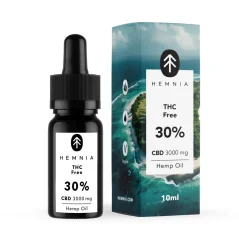
Hemnia CBD Oil 30% THC Free, 3000 mg, 10 ml
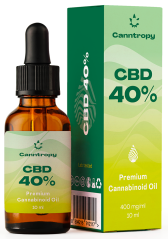
Canntropy CBD Premium Cannabinoid Oil – 40 %, 4000 mg, 10 ml
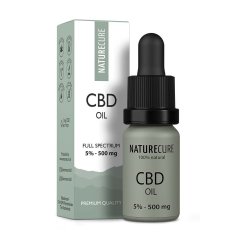
Nature Cure Full spectrum CBD oil, 5%, 500 mg, 10 ml
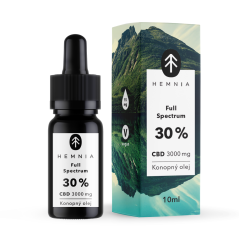
Hemnia Full-Spectrum CBD Hemp Oil 30%, 9000 mg, 30 ml

Hemnia CBD Gummies Gummy Bears, Cherry, Kiwi, Pineapple, Strawberry, 100 mg CBD, 20 pcs x 5 mg, 45 g
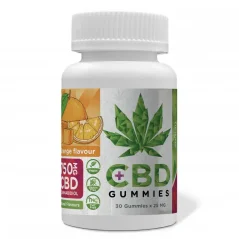
Euphoria CBD Gummies Orange 750 mg CBD, 30 pcs x 25 mg, 90 g

Nature Cure CBD Blueberry Gummies – 750 mg CBD, 30 pcs, 99 g
Alpha-CAT CBD Capsules 20×20 mg, 400 mg
Imported from Canatura. Links have been converted to thcvapestores.com where possible.