
CBD and atherosclerosis
- Benefits of using CBD oil for atherosclerosis
- What is atherosclerosis?
- What causes atherosclerosis?
- Using CBD for atherosclerosis: How does it work?
- CBD and non-cannabinoid receptors
- What does the research say?
- What is the recommended dose of CBD?
- CBD for atherosclerosis: how it can help slow down inflammation and damage to the arteries
Atherosclerosis—the hardening of the arteries due to the buildup of fatty substances in the artery walls—is one of the leading causes of cardiovascular disease.
CBD is quickly becoming a popular treatment option for this condition due to the connection between the endocannabinoid system and the cardiovascular system.
So does CBD prevent atherosclerosis? How does it work? What does the research say? Let’s take a look.
Benefits of using CBD oil for atherosclerosis
CBD offers significant benefits for patients with atherosclerosis due to its anti-inflammatory properties. This is because atherosclerosis itself is an inflammatory disease.
The inner layers of the arterial system are damaged and inflamed, and long-term inflammation changes the architecture of the arteries.
If these changes continue for too long, they become permanent. Therefore, it is important to stop or slow down the process early on to achieve the best results.
There are six main underlying causes of atherosclerosis:
- High blood sugar
- Obesity
- Chronic inflammation
- High blood lipids
- High blood pressure
- Oxidative damage
All of these underlying causes are closely linked—as one worsens, the others follow. Treatment of the disease involves targeting all of these symptoms simultaneously.
CBD offers an interesting possibility for this condition because it shows potential beneficial effects on symptoms (both directly and indirectly).
CBD offers benefits to people suffering from atherosclerosis in the following ways:
- Stabilizes blood sugar levels
- Promotes weight loss
- Stops inflammation
- Lowers blood pressure
- Protects arteries from oxidative stress
The treatment of atherosclerosis depends on many different organ systems. Attempting to stop the progression of the disease in only one way is likely to fail. The most successful treatments come from multifaceted approaches.
Compounds in the cannabis plant—including THC and CBD—can act on multiple causes of the condition simultaneously.
Tips for achieving the best results with CBD:
- Use a full-spectrum extract
- The best results come from long-term use of CBD
- Diet and lifestyle changes are also necessary
- Discuss CBD use with your doctor to avoid interactions with medications
- Use only oral CBD – avoid smoking
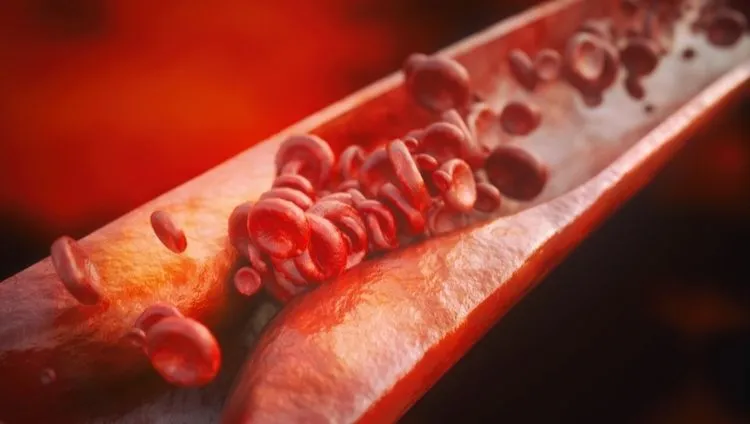
What is atherosclerosis?
Atherosclerosis is the gradual buildup of fatty deposits, calcium, cholesterol, and platelets on the walls of the arteries.
Over time, these plaques oxidize and harden, causing blockages and reduced blood flow. It develops gradually over many years. It can eventually lead to heart attack, stroke, and death.
Three important changes occur during the development of atherosclerosis:
- Loss of elasticity in the arterial walls due to the accumulation of cholesterol and calcium salts (atherosclerosis)
- Cracks begin to form in the artery walls (atherosclerosis)
- Immune cells begin to accumulate in the damaged areas of the arteries, further increasing inflammation
What causes atherosclerosis?
Atherosclerosis does not have a single cause—it is a combination of factors including diet, lifestyle (such as lack of exercise or smoking), and genetic factors.
There are key genetic markers that doctors use to assess the likelihood that someone will develop atherosclerosis. These genes are involved in regulating fat metabolism, cholesterol production, and blood sugar regulation.
There are several theories about how atherosclerosis develops, and scientists are still working to understand the process in more detail.
The main theory is that oxidative damage caused by high blood sugar, smoking, and low antioxidant intake leads to damage to the arterial walls. Over time, the arteries stiffen, leading to tears in the arterial walls from the force generated by the heart.
Cholesterol is deposited in these tears as the body tries to heal the damage, which can accumulate over time. Blood clots and calcium deposits begin to accumulate on these cholesterol plaques, causing narrowing of the arteries.
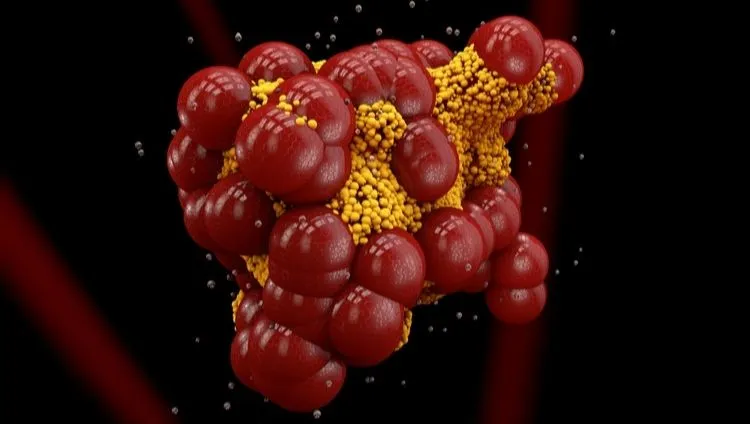
Causes of atherosclerosis
- High blood lipid levels (hyperlipidemia)
- Diabetes and hyperinsulinemia (insulin resistance)
- High blood pressure (hypertension)
- Obesity
- Smoking
- Genetic predisposition
- Blood clotting disorders
- High consumption of trans fats
- Old age
- Lack of physical activity
Using CBD for atherosclerosis: How does it work?
CBD can offer several benefits to people with atherosclerosis, including antioxidant support, reducing inflammation of the arterial walls, supporting liver function to lower cholesterol levels, and regulating blood sugar levels.
It also supports the endocannabinoid system, which is a key player in regulating homeostasis throughout the body—including the cardiovascular system.
All of these actions combine to potentially benefit the cardiovascular system and may contribute to slowing the progression of atherosclerosis. The cardiovascular system includes two types of endocannabinoid receptors that play a role.
CBD and the endocannabinoid system
The endocannabinoid system (ECS) is a set of similar receptors found throughout the body. This system is very complex and plays a role in many different organ functions. Its effects are regulated by two main endocannabinoids in the body.
Endocannabinoids
1. Anandamide
Anandamide activates endocannabinoid receptors. It is produced by an enzyme known as NAPE-selective phospholipase D (PLD) and broken down by another enzyme known as fatty acid amide hydrolase (FAAH).
This is important because most of CBD’s effects on the endocannabinoid system come from its ability to inhibit FAAH—which prevents the breakdown of anandamide.
2. 2-AG
2-AG has very similar effects to CBD. It is used to regulate levels of anandamide by controlling the rate at which it breaks down.
This endocannabinoid is produced by an enzyme called sn-1-specific diacylglycerol lipase (DAGL) and broken down by FAAH, just like anandamide.
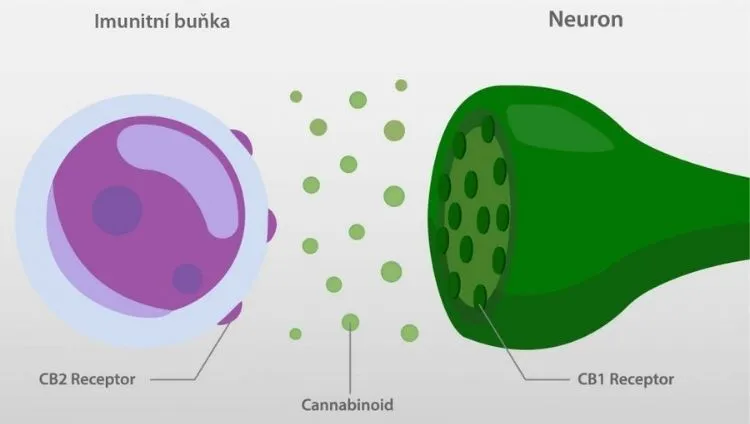
Endocannabinoid receptors and atherosclerosis
1. CB1 receptors
CBD does not bind directly to CB1 receptors—instead, it prevents the breakdown of our primary endocannabinoid, anandamide, which activates these receptors.
CB1 receptors are primarily found in the central nervous system, but also in other parts of the body. Blocking these receptors reduces appetite, stabilizes blood sugar levels, and reduces inflammation.
2. CB2 receptors
Similar to CB1 receptors, CBD does not bind directly to CB2 receptors. Instead, it increases levels of anandamide, which is the primary regulator of CB2 receptor activity.
CB2 receptors are primarily found in immune tissues, but also throughout the body and brain. These receptors regulate immune activity and support the function of organs such as the pancreas, spleen, and liver—all of which are involved in processes leading to atherosclerosis.
CBD and non-cannabinoid receptors
CBD does not only interact with the endocannabinoid system – it is also involved in pain receptors, serotonin receptors, and adenosine receptors. Each of these effects leads to overall benefits for patients suffering from atherosclerosis.
Receptors affected by CBD and their effects on atherosclerosis
| Receptor Name | Effect | Impact on Atherosclerosis |
|---|---|---|
| Adenosine (A2) | Inhibits reuptake | Reduces blood pressure and improves heart contractility |
| Vanilloid pain receptors (TRPV1, TRPV2, TRPV3) | Stimulates | Reduces blood pressure |
| 5HT1A receptors (serotonin) | Inhibits | Reduces appetite to support weight loss and regulate blood sugar levels |
| FAAH | Inhibits | Increases levels of anandamide and 2-AG |
| μ opioid receptors | Stimulates | Reduces atherosclerotic pain |
| PPAR | Stimulates | Regulates the metabolism of sugar and fats in the blood |
What does the research say?
In animal studies, preventing the breakdown of anandamide led to a reduction in blood pressure, heart rate, and vascular resistance.
A review article examined how CBD and THC are effective in reducing the pathological processes underlying atherosclerosis. Researchers in this study reported that the primary benefits come from THC and its activity on CB2 receptors associated with the immune system (i.e., anti-inflammatory benefits).
What is the recommended dose of CBD?
The dose of CBD can vary significantly from person to person, so it is important to start with a small amount and gradually increase it if necessary to see how it affects you.
Animal studies have shown that low-dose cannabinoid supplementation (1 mg/kg per day) led to a significant reduction in the progression of atherosclerosis.
For atherosclerosis, we recommend starting with a low dose (based on your weight) and slowly increasing it as needed. For maximum benefit, it is important to take this dose every day.
Atherosclerosis is a progressive disease that takes many years to develop. For prevention to be effective, it must be continued for many years.
Consult your doctor before taking CBD.
CBD for atherosclerosis: how it can help slow inflammation and damage to the arteries
Atherosclerosis is a chronic disease with serious health consequences. This disease involves inflammation and gradual hardening of the arteries in the body. Over time, this can lead to high blood pressure and the accumulation of cholesterol plaques, which can cause a heart attack or stroke.
CBD can be a useful supplement for atherosclerosis due to its anti-inflammatory properties, blood glucose stabilization, and possible protective antioxidant effects on the cardiovascular system.
It is helpful to address some of the main causes of atherosclerosis—such as insulin resistance/diabetes, fatty liver, obesity, and high blood pressure. These effects may allow CBD to slow the progression of the disease over a long period of time (months to years).
Whenever you take any supplements or medications for atherosclerosis, it is important to remember these key points:
- Always discuss the use of supplements with your doctor
- In addition to CBD supplements, always monitor changes in your diet and lifestyle—these changes will have the greatest impact on the disease
- Make sure you are taking the correct dose of CBD
- Be patient – it may take several weeks, months, or even years for CBD to show signs of improving atherosclerosis
- Look only for high-quality CBD products – poor-quality supplements often contain harmful contaminants that can worsen the condition
Author: Elena Moreau
Photo: Shutterstock, AI
“All information provided on this website, as well as information provided through this website, is for educational purposes only. None of the information contained herein is intended to be a substitute for a medical diagnosis and should not be considered medical advice or recommended treatment. This website does not endorse, condones or advocate the licit or illicit use of narcotic drugs or psychotropic substances or the commission of any other illegal activity. For more information, please see our Disclaimer .”
Recommended products
Hemnia Full Spectrum CBD Hemp Oil 20%, 2000 mg, 10 ml
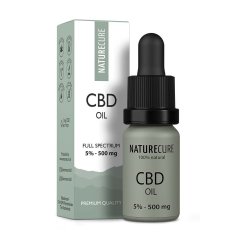
Nature Cure Full spectrum CBD oil, 5%, 500 mg, 10 ml
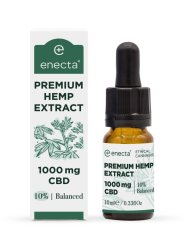
Enecta CBD Oil 10%, 1000 mg, 10 ml
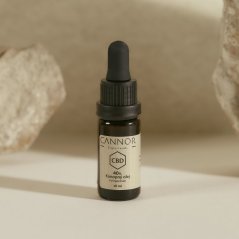
Cannor Hemp oil full spectrum 40%, 10 ml
Imported from Canatura. Links have been converted to thcvapestores.com where possible.