
CBD and diabetes
- Symptoms of diabetes: How can CBD help?
- Basic information about diabetes: What is diabetes?
- Type 1 diabetes
- Type 2 diabetes
- What causes diabetes?
- How is diabetes treated?
- The therapeutic potential of CBD
- How CBD Can Help with Diabetes
- Using CBD Oil for Diabetes
- 1. CBD Can Support Pancreatic Health and Insulin Secretion
- 2. CBD Can Aid Weight Loss
- 3. CBD Can Help with Diabetes Symptoms
There are currently more than 900,000 people registered with diabetes in the Czech Republic, the vast majority of whom suffer from type 2 diabetes. Given that so many people suffer from this disease and the fact that there is no cure, it is clear that there is room for improvement.
One of the most promising solutions put forward in recent years is CBD.
A study conducted in 2013 showed a correlation between regular cannabis use and lower incidence of metabolic syndrome, obesity, and diabetes—despite the fact that users generally have a poorer diet than average.
Since then, we have discovered that many of these effects are due to the CBD content in the cannabis they were using.
In this article, we explore the causes of diabetes and ways in which CBD can be used to improve the quality of life for patients suffering from this serious health condition.
Diabetes symptoms: How can CBD help?
We will explore this complex and fascinating topic in more depth later, but first, here is a summary of how CBD can be used to improve diabetes symptoms:
- It combats obesity by reducing appetite
- It protects the liver from damage that can be caused by diabetes
- It can reduce neuropathic pain associated with diabetes
- It improves insulin’s ability to regulate blood sugar levels
- Accelerates the healing of diabetic wounds
- Protects insulin-secreting cells in the pancreas
CBD oil has many benefits when it comes to diabetes, and there are even several pharmaceutical products that use synthetic cannabinoids as an active ingredient.
This is a vast and complex topic, but our goal is to break it down into easily understandable pieces. We will help you understand how CBD oil can improve diabetes symptoms and why anyone who wants to use it should be interested in this and other potentially useful cannabinoids.
As you will understand, it is important to find high-quality CBD oil made from whole plant extract, also known as full spectrum.
All the other cannabinoids, terpenes, and other phytochemicals in the cannabis plant play a role in CBD oils’ ability to fight diabetes.
Basic information about diabetes: What is diabetes?
Before you start studying information about how CBD could help with diabetes, you should understand some basics about how diabetes works.
Diabetes is a metabolic condition. It is a disease involving our ability to process carbohydrates in the body. Most of our energy comes from sugar, and whenever we eat something, sugars from food enter the bloodstream through the digestive tract. Cells then need to use this sugar to support activity.
Unfortunately, sugar cannot enter the cell without a special escort known as insulin.
Insulin is a hormone released by the pancreas, and it is responsible for regulating the amount of sugar that enters the cells from the blood.
When we have diabetes, either we don’t have enough insulin (type 1 diabetes), or the insulin we have is ignored by the body (type 2 diabetes). In both types, the results are almost the same—an elevated blood sugar profile.
Our cells begin to starve from lack of energy, while the blood becomes thick with sugar. This causes all kinds of problems for the body, especially the liver, skin, kidneys, and cardiovascular system.
Diabetes is essentially a very serious disease involving dysfunctional insulin production by the pancreas, and there are two main types of diabetes.
Type 1 diabetes
This form of diabetes is often referred to as juvenile diabetes because it usually begins in childhood or adolescence. It involves malfunctioning beta cells in the pancreas, which are responsible for producing insulin.
This type of diabetes requires patients to inject insulin for the rest of their lives because their bodies cannot produce enough on their own.
Without access to insulin, the imbalance between insulin and glucagon causes too much glucose and ketone acids to build up in the liver, leading to a metabolic emergency called diabetic ketoacidosis.
CBD offers only mild support to these patients—not emergency support.
Type 2 diabetes
Type 2 diabetes is often referred to as adult-onset diabetes because it usually manifests in people over the age of 40—although recently, there has been a higher incidence in younger populations.
Although there may be a genetic predisposition, the actual development of the disease is slow and gradual, mainly due to poor diet and lifestyle choices.
Whenever we eat food, our digestive system slowly breaks it down. The resulting nutrients—sugars, proteins, fats, etc.—are absorbed into the bloodstream. This makes us feel energized immediately after eating, because we suddenly have a lot of energy available.
The pancreas then rushes to secrete insulin to move sugar from the blood into the cells. It does this because we need to maintain stable blood sugar levels: too much is bad, and too little is also bad.
Unfortunately, if the food we ate contained simple sugars (such as candy or white bread), it was digested very quickly and insulin quickly removed most of the sugar from the blood. In fact, too much.
Without sugar in our blood, we feel tired and low on energy. This is why many people feel sluggish and low on energy about an hour or two after lunch.
After many years, these sudden swings and drops in blood glucose levels train the body to ignore insulin. It does this in an effort to maintain stable blood sugar levels. We call this stage insulin resistance. It is the first step toward type 2 diabetes, and this is where the problem begins.

Blood sugar levels rise, but inside the cells themselves, they fall. Eventually, insulin stops working properly. The cells then send signals to the brain that we need more food, which causes sugar cravings. But no matter how much we eat, we can’t give our cells enough of what they want.
High blood sugar is dangerous. It can damage our red blood cells, kidneys, and lungs, and coat our blood vessels.
If blood sugar rises too high too quickly, a potentially dangerous dehydration condition called hyperglycemic hyperosmolar nonketotic syndrome can develop. The body must choose a different course of action to keep blood sugar levels under control.
So it uses the liver. The liver now has the task of converting all this excess sugar into something safer, such as fat, which leads to increased weight gain and fat storage in the liver (fatty liver).
This is the reason for the characteristic “belly fat” that many diabetics have. It is caused by the formation of fat around the liver and other organs in the abdomen.
If left unchecked over time, type 2 diabetes will gradually worsen and blood sugar levels will rise to the point where they begin to damage the kidneys, lungs, cardiovascular system, and pancreas.
People with diabetes are 2-4 times more likely to develop cardiovascular disease, and their average life expectancy is 5-10 years shorter than that of people without diabetes. In the developed world, it is a cause of kidney failure, non-traumatic amputations, and blindness.
Fortunately, diabetes is very manageable with lifestyle changes and medication.
In fact, diabetics with late-stage type 2 diabetes eventually develop type 1 diabetes due to damage to the pancreas. This is why people with late-stage type 2 diabetes must take insulin like people with type 1 diabetes.
CBD offers powerful benefits for reducing the impact of type 2 diabetes and is becoming an important therapeutic option for people suffering from this disease.
What causes diabetes?
Now that we’ve talked about how diabetes works and the different types, let’s look at what actually causes it.
Type 1 diabetes is mainly a genetic condition, but it can also be caused by toxic exposure. Certain compounds, such as streptozotocin, are known to kill beta cells in the pancreas and cause type 1 diabetes. This compound is used to induce diabetes in mice for research purposes.
Other compounds, such as passive smoke and hydrocarbons from car exhaust, have also been linked to type 1 diabetes. However, most cases are caused by genetic factors.
Type 2 diabetes is primarily caused by a diet that is high in refined carbohydrates (simple sugars) but low in fiber, fats, and antioxidants.
Repeated spikes and drops in blood sugar are what ultimately lead to insulin resistance with increased appetite, which further damages the body’s metabolic balance. This paves the way for diabetes.

How is diabetes treated?
There is no cure for either type 1 or type 2 diabetes. However, many experts argue that type 2 can be reversed over time through significant lifestyle and dietary changes.
Most modern treatments focus on addressing symptoms, preventing further complications, and preventing what we would call hyperglycemia (high blood sugar) by promoting insulin production or sensitivity to prevent the disease from worsening and causing further organ damage.
Patients with type 1 diabetes also use insulin to maintain a balance between insulin and glucagon to control ketone acid and blood sugar levels.
Since high blood sugar causes most of the disease, monitoring blood sugar levels, proper nutrition, and exercise will help mitigate the negative effects of the disease.
Conventional diabetes treatment may include:
- Mediterranean diet (the most evidence-based diet)
- Metformin (improves insulin sensitivity)
- Sulfonylureas (promote the release of more insulin)
- Meglitinides (promote insulin release)
- Thiazolidinediones (improve insulin sensitivity
- DPP-4 inhibitors (slightly increase insulin levels)
- GLP-1 receptor agonists (slow down the rate of sugar absorption)
- SGLT2 inhibitors (prevent the kidneys from reabsorbing filtered sugar)
- Insulin (provides insulin to diabetics with type 1 and late-stage type 2 diabetes)
Further treatment
Given that diabetes is a condition that involves a problem with the balance of the metabolic system, CBD may offer some potentially important therapeutic benefits for combating the actual cause of the disease.
These include, for example:
- The Atkinson diet (high in fat and protein, low in carbohydrates)
- The modified Atkinson diet (similar to the original diet, but with more emphasis on high-fat foods)
- Ketogenic diet (low in carbohydrates, moderate in protein, high in fat)
- Chromium supplementation
- Regular exercise
- Herbal supplements (cinnamon, ginseng, gymnema, gynostema)
- Acupuncture
- Lifestyle changes (quitting smoking and alcohol use)
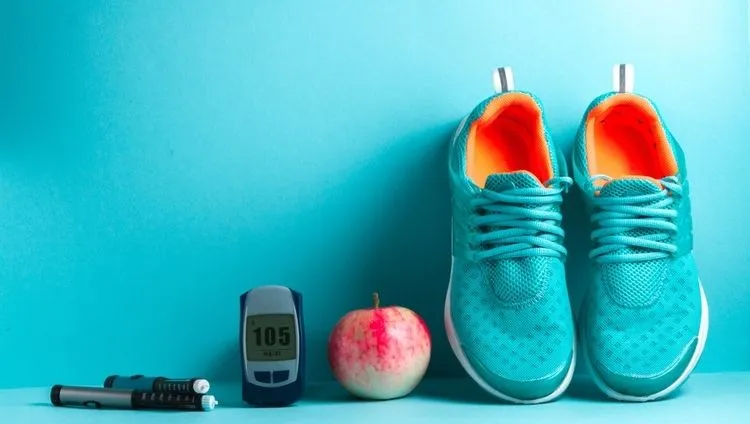
All of these treatment options are appropriate, and none is better than the others. The best treatment plan uses a combination of the above options. Recent evidence suggests additional potential treatment options through CBD.
The use of this compound for diabetes offers some unique advantages for this disease and may contribute to increasing the effectiveness of the other treatment options mentioned above.
The therapeutic potential of CBD
CBD has been the subject of many studies over the past few decades. The cannabis plant, which provides us with CBD, was demonized in the past before the medicinal properties of CBD began to be promoted.
CBD began to gain fame after a little girl named Charlotte Figi, who suffered from dozens of severe epileptic seizures every day, experienced significant relief thanks to this compound. This attracted international attention and prompted people to take a closer look at the non-psychoactive part of the cannabis plant.
Since then, CBD has been found to:
- Reduce the frequency and severity of epileptic seizures
- Reduce the symptoms of autoimmune diseases
- Improve our ability to detect and kill cancer cells
- Accelerate wound healing
- Reduce pain and inflammation
- Help restore homeostasis
This last point is most important when considering the effects that CBD has on diabetes.
Since diabetes is a disease that involves a problem with the balance of the metabolic system, CBD may offer some important therapeutic benefits for the actual cause of the disease, not just its symptoms.
How CBD can help with diabetes
CBD acts on the endocannabinoid system of the body. This is a group of hormones/neurotransmitters and receptors found in various organs throughout the body.
The endocannabinoid system is primarily used to support the homeostasis (balance) of these organ systems, as the body has a routine that it always tries to maintain.
Let’s use body temperature as an example. In order to function properly, we must maintain an internal body temperature of 37 degrees Celsius. When the temperature in our environment drops, the body adapts and generates more heat internally.
Conversely, when the outside temperature rises, the body adjusts and maintains a lower internal body temperature.
When this system malfunctions, we become ill. This happens during heatstroke or hypothermia. The body is no longer able to maintain balance, and our condition begins to deteriorate rapidly.
It is believed that the endocannabinoid system plays a key role in this process, keeping all these metrics as close to the center of balance as possible.
When we talk about diabetes, the metric we try to keep in balance is our blood sugar level. When diagnostic laboratory results show that it has been dysfunctional for a long time, it means that a person has diabetes.
The endocannabinoid system is believed to play a key role in keeping this system in balance. CBD acts as an optimizer for this system, helping it work more efficiently to bring us into a state of balance. Let’s see how it works.
1. CBD may support pancreatic health and insulin secretion
A recent study involving nearly 4,700 patients with diabetes or prediabetes screened for marijuana use in relation to insulin sensitivity. Researchers in this study concluded that “marijuana use was associated with lower fasting insulin levels.”
The study found that marijuana users had a 17% decrease in insulin resistance. This suggests that cannabis increases the effectiveness of insulin in doing its job. When insulin works as it should, we can better control our blood sugar levels. This slows the onset of diabetes and increases life expectancy.
Looking closer, researchers found that in animal studies, overweight or obese rats that were given cannabis over a longer period of time had a heavier pancreas.
This suggests that cannabis was able to protect the insulin-secreting beta cells of the pancreas from damage caused by obesity.
This is very important, considering that the main problem with diabetes is damage to the pancreas, which ultimately leads to the development of more severe type 1 diabetes. Unfortunately, by the time type 1 diabetes is diagnosed, the patient may have already lost up to 50% of their insulin secretion capacity.
2. CBD can help with weight loss
Obesity is considered one of the main factors contributing to the development of diabetes.
CBD offers direct benefits in the fight against obesity. It reduces appetite through the brain’s reward system (responsible for habits and addiction) and also through CB1 endocannabinoid receptors.
These receptors are found primarily in the brain and central nervous system and regulate hormones associated with hunger.
With less hunger, we theoretically eat less food. When we manage to eat less, especially refined or overly processed foods, we can begin to lose weight and slow the progression of diabetes.
3. CBD may help with diabetes symptoms
In addition to all the potential benefits that CBD oil may offer in influencing the processes that lead to diabetes, it also offers some unique benefits in treating the symptoms of the disease.
Of course, further research is needed in all these areas to confirm and better standardize how CBD can be used effectively.
Some examples of symptoms that CBD affects:
- Reduces nerve pain
- Reduces anxiety
- Accelerates healing (external use)
- Reduces cravings for sweet foods
Using CBD Oil for Diabetes
Now that we understand how CBD oil can support people with diabetes and how promising further research may be, let’s talk about the ways people are using it.
1. Adding CBD to other measures
For starters, it’s important to note that CBD oil is best used in conjunction with other measures, particularly those revolving around changes in diet and lifestyle.
Anyone with diabetes should focus on avoiding refined carbohydrates and increasing their intake of fats and proteins.
In addition, moderate exercise and stress management are key to addressing the causes of diabetes and slowing its progression.
It is also important to note that you should never stop taking any medication without first consulting your doctor. Always take your medication as directed and monitor your blood sugar levels regularly.
Diabetes is a complicated problem, and there are many factors to consider. A trained doctor will be the best person to talk to about treatment options.
2. CBD oil dosage for diabetes
The correct dose of CBD oil varies from patient to patient. This is because everyone has a different endocannabinoid system. This can make determining the correct dose a difficult process. Generally speaking, the most commonly used dose for diabetics is between 2.5 mg and 100 mg of CBD per day.
This is a wide range, so the best way to proceed is to start with a small amount and slowly increase it until you get the desired effects. Most people start with 1 or 2 mg and add 4 mg per day.
If you notice any side effects (such as fatigue, poor concentration, or headaches), simply reduce the dose to the last one that did not cause any side effects. And stick with it.
Author: Elena Moreau
Photo: Shutterstock
“All information provided on this website, as well as information provided through this website, is for educational purposes only. None of the information contained herein is intended to be a substitute for a medical diagnosis and should not be considered medical advice or recommended treatment. This website does not endorse, condones or advocate the licit or illicit use of narcotic drugs or psychotropic substances or the commission of any other illegal activity. For more information, please see our Disclaimer .”
Recommended products

Cibdol CBD oil 2.0 10 %, 1000 mg, 10 ml
Hemnia Full-Spectrum CBD Hemp Oil 30%, 9000 mg, 30 ml
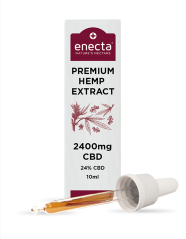
Enecta CBD Hemp Oil 24%, 90 ml, 21600 mg CBD

CANNALINE CBD Hemp Oil THC FREE 40%, 4000 mg, 10 ml
Imported from Canatura. Links have been converted to thcvapestores.com where possible.