
CBD and nicotine: can CBD help combat nicotine addiction?
- What does a small hippocampus mean?
- Cannabis use and the brain
- Can another stimulant replace nicotine so that CBD oil can be used?
- Can CBD replace nicotine?
- Smoking vs. vaporising: is one better than the other?
- What is CBD e-liquid and how does it differ from regular e-liquids?
- What is sub-ohm vaping?
- Conclusion
Nicotine is found in products such as cigarettes, pipe tobacco, cigars, chewing tobacco, snuff (ground tobacco leaves) and dried tobacco leaves. However, smoking tobacco releases not only nicotine, but also tar and carbon monoxide (a toxic gas).
Electronic cigarettes (also known as e-cigarettes) may contain some nicotine, even though they do not contain dried tobacco leaves themselves. In the case of cannabidiol and nicotine, there is currently no specific data available on their interaction. However, there are already studies showing how cannabis as a whole interacts with nicotine.
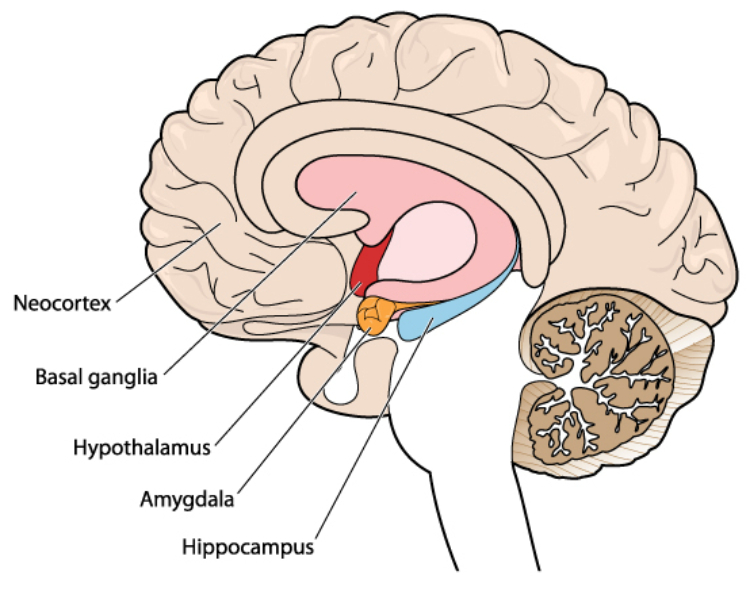
Although these studies did not specifically focus on CBD, the data they found may offer insight into the interaction between CBD and nicotine, as cannabidiol is abundant in the cannabis plant. In a 2015 study, researchers at the Centre for Brain Health at the University of Texas at Dallas found a link between smaller hippocampal volume in the brain and cannabis use. The hippocampus is a part of the brain that has been extensively studied for its important role in memory and cognition.

Dr Francesca Filbey, lead author of the study and director of the Cognitive Neuroscience of Addictive Behaviour section at the Centre for Brain Health, reveals that approximately 70% of people who use marijuana also use tobacco. Most studies do not take into account tobacco use in conjunction with cannabis. The research by Filbey and her team was the first to examine the unique effects of each substance on the brain and their effects in combination.
Future studies need to address the cumulative effects of these substances, as the interaction between cannabis and nicotine can be quite complex due to several mechanisms at play. However, researchers observed a link between smaller hippocampal volume in the brain and marijuana use. Although hippocampal size was significantly smaller in both the marijuana-only group and the marijuana-plus-tobacco group compared to individuals who used tobacco only, the relationship with memory performance was different.
What does a small hippocampus mean?
According to researchers, recent studies conducted on humans have shown a smaller hippocampal volume in individuals suffering from post-traumatic stress disorder (PTSD). Animal research has also provided compelling evidence that exposure to severe and chronic stress can damage the hippocampal formation.
Cannabis use and the brain
A study published in the journal Drug and Alcohol Dependence examined the relationship between cannabis use and the brain. It found that the effect of cannabis on the brain depends on various factors, including the ratio of THC to CBD, the two main cannabinoids (components of cannabis). The researchers noted that a reduction in hippocampal volume was associated with higher THC and lower CBD content, suggesting the neurotoxic effects of THC and the neuroprotective effects of CBD.
Can another stimulant replace nicotine so that CBD oil can be used?
The results of a study investigating the possible adverse side effects and drug interactions of CBD use showed that the interaction between stimulants and CBD causes a decrease in appetite, weight loss, and insomnia or other sleep disorders.
Sleep disorders may also be associated with increased anxiety or mood swings, which are inappropriate to treat with other medications because of the high potential for adverse side effects. These effects should be taken into account when assessing the risks versus benefits of treatment with CBD. Users should be aware of the potential safety risks associated with CBD use. Therefore, the best current strategy is to avoid any stimulants when using CBD.
Can CBD replace nicotine?
No studies explicitly recommend CBD as a substitute for the stimulant nicotine. However, CBD has been shown to have some of the stimulating properties of nicotine. Nicotine induces an immediate feeling of calm and relaxation, which is why people smoke in the belief that it reduces their anxiety and stress. According to an article by the Mental Health Foundation, this feeling of relaxation is temporary and soon gives way to withdrawal symptoms and increased cravings.
In the Czech Republic, more people are addicted to nicotine than to any other drug (it easily surpasses even alcohol). Some people use smoking as a way to cope with stress or other unpleasant feelings. CBD oil is a promising health tool for managing stress and emotions. There are also findings that suggest the potential use of CBD oil for anxiety management. CBD has recently attracted interest for its anxiolytic (anti-anxiety) properties, among other things.
It has also been shown that CBD, which is part of the cannabis plant, is not psychoactive. This property allows CBD to provide its therapeutic effects without the user experiencing a euphoric high. More importantly, CBD has been shown to be a potentially useful treatment for nicotine addiction. A study on nicotine addiction published in the New England Journal of Medicine suggested that, in addition to nicotine, certain components of cigarette smoke contribute to nicotine addiction.
The study’s author, Dr Neal Benowitz of the University of California, San Francisco, noted: “This study revealed the following findings: in addition to the rapid delivery of nicotine to the brain, cigarettes were designed with additives and technical features that increase their addictiveness.” Similarly, the results showed that the high rate of nicotine absorption and its access to the brain causes intense and virtually immediate stimulation, which enhances the effects of the drug.

Inhaled nicotine quickly enters the system through the lungs and reaches the brain within seconds. In a 2013 study published in the journal Addictive Behaviours, researchers tested the effectiveness of inhaled CBD on smokers who wanted to quit cigarettes.
The study was conducted on 24 test subjects and lasted one week. Twelve of them were given CBD and the other twelve a placebo. When the test subjects felt the urge to smoke a cigarette, they were to first use the CBD or placebo inhaler provided to them. During the treatment week, there was no difference in the number of cigarettes smoked by smokers who used the placebo.
In contrast, those who took CBD significantly reduced the number of cigarettes smoked during treatment, by approximately 40%. The results of the studies suggest that CBD may be a powerful stimulant that, unlike nicotine, is not addictive. However, further research is needed. Nevertheless, before replacing nicotine with CBD or attempting to combat nicotine addiction with CBD, it is recommended to consult a doctor who has experience with cannabis use.
Smoking vs. vaping: is one better than the other?
Some smokers have been tempted to use electronic cigarettes (e-cigarettes, vape pens and other similar devices) to ease their transition from smoking traditional cigarettes to complete abstinence. But is smoking electronic cigarettes a better method of using tobacco products?
Dr Michael Blaha, director of clinical research at the Ciccarone Centre for the Prevention of Heart Disease at Johns Hopkins University, says: “Vaping is less harmful than smoking , but it is not completely safe. E-cigarettes heat nicotine, various flavours and chemicals to create an aerosol that users inhale. While e-cigarettes may contain fewer toxic chemicals than traditional cigarettes, the specific chemical components in e-cigarettes are unknown,” says Blaha.

There has also been an increase in lung damage and even deaths associated with vaping. As of 21 January 2020, the Centre for Disease Control and Prevention has confirmed 60 deaths of patients with lung damage caused by the use of e-cigarettes or vaping products. “These cases seem to mainly involve people who modify their vaping devices or use modified e-liquids from the black market,” explains Blaha.
What is CBD e-liquid and how does it differ from regular e-liquids?
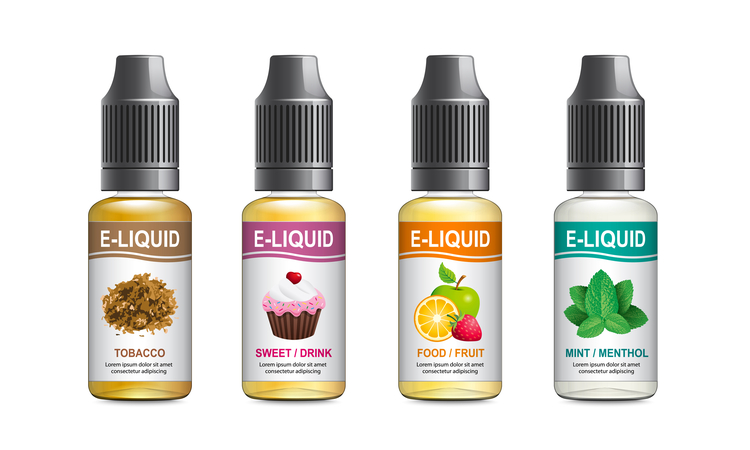
CBD e-liquid, CBD vaping oil, or CBD e-juice are different names used to refer to CBD-based liquids intended for vaping, which users can insert into vaping devices. CBD vape pens, vaporisers, or e-cigarettes are standard tools used for vaping CBD. Always use only high-quality CBD products for vaping CBD.
CBD tincture, CBD oil, hemp extract or hemp oil are intended for oral use. It is usually hemp oil produced by extracting CBD from hemp plants. The extract is then mixed with a carrier oil, such as olive, hemp or coconut oil. Other ingredients may also be added for flavouring. CBD e-liquid contains CBD instead of nicotine. Regular e-liquid usually contains propylene glycol, glycerine, nicotine, flavours and additives.
What is sub-ohm vaping?
Sub-ohm vaping, also known as low-resistance vaping, is a style of vaping that produces massive clouds of vapour. Sub-ohm devices use coils with a low resistance of less than one ohm, hence the name sub-ohm.
There are two types of vaporisation tanks. A standard tank is excellent for beginners, while a sub-ohm tank is recommended for more experienced vapers. Using a sub-ohm device is excellent for those who want a higher dose of CBD with each puff, but it is not a perfect system.
Conclusion
Getting rid of tobacco addiction is one of the most important steps people can take for their health, but it is also very difficult. According to doctors, 80% of smokers want to quit. However, many of them do not make the decision to quit until they develop a serious tobacco-related illness, such as heart disease, cancer or stroke.
Fortunately, tobacco addiction is treatable, and tobacco users who have access to counselling and medication during their attempts to quit are much more likely to succeed than those who do not receive such support. CBD has several health benefits. It counteracts anxiety and has antipsychotic properties, and it is also non-addictive.
Combining CBD with stimulants such as nicotine is not recommended due to the possible adverse side effects that their interaction may cause. Although the aforementioned research has suggested that CBD could also be a potentially useful treatment for nicotine addiction , no studies have yet been conducted that explicitly recommend CBD as a nicotine replacement.
Before deciding to combat nicotine addiction with CBD, it is best to consult a doctor who has experience with the use of cannabis.
Author: Elena Moreau
Photo: Shutterstock
“All information provided on this website, as well as information provided through this website, is for educational purposes only. None of the information contained herein is intended to be a substitute for a medical diagnosis and should not be considered medical advice or recommended treatment. This website does not endorse, condones or advocate the licit or illicit use of narcotic drugs or psychotropic substances or the commission of any other illegal activity. For more information, please see our Disclaimer.”
Imported from Canatura. Links have been converted to thcvapestores.com where possible.