
- Is it safe to take CBD and Prednisone together?
- CBD also interacts with many other types of drugs. These reactions fall into three main categories:
- Similar drugs: CBD and immunosuppressants
- Is it safe to take CBD and Prednisone together?
- Is CBD a suitable alternative to Prednisone?
- What is Prednisone?
- What does Prednisone do?
- What are the side effects of Prednisone?
- Contraindications for Prednisone
- Important information about Prednisone
- What is CBD (cannabidiol)?
- How does CBD work?
- Side effects of CBD
- Key findings: Is it safe to use Prednisone together with CBD?
Is it safe to take CBD and Prednisone together? What are the risks?
CBD may inhibit the action of CYP3A4, a liver enzyme that metabolises several types of drugs, including Prednisone. Due to its inhibitory activity, CBD may slow down the enzyme’s action. This could result in the metabolism of Prednisone also slowing down, meaning that Prednisone would remain in the body for longer and be more likely to cause side effects.
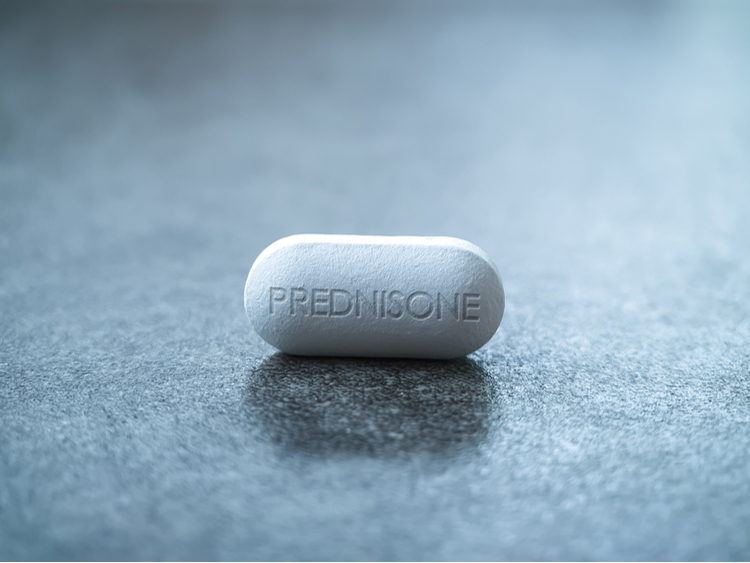
CBD also interacts with many other types of drugs. These reactions fall into three main categories:
Increased effect (agonistic interaction)
This interaction occurs when two substances in the body have the same effects because they both act on the same receptors and in the same direction. Because CBD and Prednisone have many of the same effects, this combination can potentially lead to adverse effects.
Slowed elimination (metabolic competition)
All medicines and other substances must be metabolised by the liver. This also applies to cannabidiol (CBD). Metabolic competition refers to a situation where substances require the same pathway for their metabolism. This causes the two compounds to compete in metabolism, leading to their accumulation and slow breakdown ( ). Both CBD and prednisone are metabolised by the aforementioned CYP3A4 enzyme and can compete in metabolism, which prolongs the duration of the effects of both substances. Daily use of CBD, prednisone, or both substances simultaneously can lead to gradual accumulation in the blood and cause harmful side effects.
Similar drugs: CBD and immunosuppressants
Prednisone is classified as an immunosuppressant. CBD and immunosuppressants have similar risks of interactions and side effects.
Here is a list of similar medicinal substances and drugs that have the same level of risk when combined with CBD:
- azathioprine (Imuran)
- mycophenolate mofetil (Cellcept)
- cyclosporine (Neoral, Sandimmune, Gengraf)
- methotrexate (Rheumatrex)
- leflunomide (Arava)
- cyclophosphamide (Cytoxan)
- chlorambucil (Leukeran)
- mustargen (Mustargen)
Is it safe to take CBD and Prednisone together?
CBD and Prednisone can be taken together safely, but it may require adjusting the dosage of both substances. If you are prescribed Prednisone, always consult your doctor about taking CBD.

Is CBD a suitable alternative to Prednisone?
Although CBD is commonly referred to as a cannabinoid with powerful anti-inflammatory properties, there is not enough research and evidence available to prove how effective CBD is in treating the symptoms of inflammation and other conditions that Prednisone treats, so we cannot consider it a suitable alternative to Prednisone. However, all available information indicates that CBD could successfully suppress inflammation, but its effectiveness is still being evaluated. Before deciding to switch to CBD, it is best to consult your doctor first.
What is Prednisone?
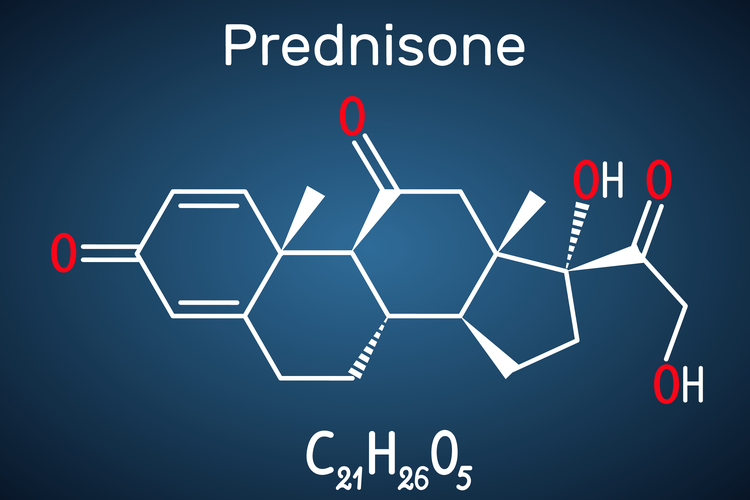
Prednisone is a type of glucocorticoid. It was first discovered in 1955 by Schering Corporation and given the trade names Meticorten and Delta-Cortef. It is a synthetic corticosteroid and a derivative of cortisone. Prednisone is used to treat asthma, chronic obstructive pulmonary disease (COPD), rheumatic diseases, neoplasms (the formation of new tissue, e.g. during wound healing, but also tumour tissue), etc. It can also be used to treat high blood calcium levels caused by cancer and adrenal insufficiency.
What does prednisone do?
As a synthetic steroid, prednisone has anti-inflammatory and immunomodulatory properties. Inflammation is the body’s natural response to injury or infection of any kind. ‘s immune system works to limit and eliminate the pathogens that cause inflammation. It causes redness, swelling, increased temperature in the affected area, and pain. In chronic diseases such as arthritis, inflammation can cause constant pain and reduce organ function.
Prednisone reduces inflammation by suppressing the migration of polymorphonuclear leukocytes and restoring the increased permeability of capillaries that occurs during inflammation. It also stops numerous inflammatory genes activated in inflammatory diseases and suppresses the immune system by reducing its activity. It has antineoplastic (anti-tumour) effects, which it achieves by stopping glucose transport and inducing the death of immature lymphocytes. Prednisone is metabolised by CYP450 enzymes in the liver, including the CYP3A4 enzyme.
What are the side effects of Prednisone?
Common side effects of Prednisone include:
- acne
- blurred vision
- behavioural or mood changes
- increased blood pressure
- increased blood sugar
- fluid retention
- headache
- nausea
- restlessness and inability to stay calm
- sleep problems
Serious side effects of Prednisone include:
- hypersensitivity
- osteoporosis, bone loss and fractures, osteonecrosis
- increased risk of infection
- cardiovascular problems such as atherosclerosis, hypertension, etc.
- skin problems such as impaired wound healing, goitre, urticaria, allergic dermatitis and others
- abnormal fat storage
- diabetes mellitus
- stomach ulcers and gastrointestinal bleeding
- corticosteroid-induced psychosis
- glaucoma
- depression
Contraindications for Prednisone
Prednisone should not be used in certain diseases. These include:
- untreated serious infections
- known hypersensitivity to prednisone
- chickenpox
- administration of live or attenuated live vaccines
Important information about Prednisone
There are several points you should be aware of before using this medicine.
A) Discontinuation of Prednisone
This medicine is similar to cortisol, a hormone produced by the adrenal glands that regulates many functions. If Prednisone is used for a long time, say several weeks to months, the adrenal glands will reduce their production of cortisol. If you stop taking this medicine suddenly, you may experience withdrawal symptoms from Prednisone, so it is necessary to reduce the dose gradually. Some of the withdrawal symptoms of Prednisone include fatigue, joint pain, muscle stiffness and fever.
B) Long-term use of Prednisone
Long-term use of this medicine can cause several side effects in the body. These include an increased risk of infection, osteoporosis, delayed wound healing, increased intraocular pressure, glaucoma, cataracts, and reactivation of latent tuberculosis.
C) Monitoring patients
It is very important to monitor patients taking Prednisone, as it can cause suppression of the hypothalamic-pituitary-adrenal (HPA) axis, Cushing’s syndrome, hyperglycaemia and psychiatric disorders.
D) Use in various diseases
Prednisone may be administered in low doses for certain chronic diseases, including liver disease, hypertension, thyroid disorders, osteoporosis, kidney disease, diabetes mellitus, and gastrointestinal disorders. However, caution is necessary. Patients receiving this medication should avoid contact with individuals infected with chickenpox or measles unless they have been vaccinated.
E) Use during pregnancy and in breastfeeding mothers
Prednisone can be dangerous during pregnancy as it can cause foetal damage. It also increases the risk of cleft palate. In breastfeeding mothers, it is excreted in milk and can cause problems in the baby, so the lowest possible dose should be used. Due to the many side effects of Prednisone, more and more patients are looking for natural alternatives to treat inflammation, such as CBD.
What is CBD (cannabidiol)?
Cannabidiol, or CBD, is the second most common compound extracted from the cannabis plant. It is usually inhaled or taken orally. Unlike some other cannabinoids, it does not cause intoxication and is not psychoactive. Cannabidiol is being researched for its role in treating inflammation, anxiety, cognition, movement disorders and pain. A combination of CBD and tetrahydrocannabinol (THC), another cannabis extract, in a 1:1 ratio may help with spasticity in multiple sclerosis.
How does CBD work?
CBD interacts with the endocannabinoid system (ECS), a biological system containing endocannabinoids, which are a type of neurotransmitter. These endocannabinoids bind to cannabinoid receptor proteins. The ECS is vital for conducting nerve functions and balances cognitive processes, pain perception, and mood. There are two basic cannabinoid receptors, CB1 and CB2. CB1 receptors are mainly present in the brain and central nervous tissues. CB2 receptors are found in peripheral organs, particularly in the immune system. THC, the main component of cannabis, binds directly to CB1 and induces its psychoactive properties.
However, CBD alters the action of receptors that bind to cannabinoids. CBD can interact with CB2 receptors, induce vasodilation (widening of blood vessels), shut down the inflammatory response, and activate 5HT1A receptors, which provide therapeutic relief for diabetic neuropathy. It also helps reduce oxidative stress and inflammation [3]. CBD is metabolised in the liver by cytochrome P450 enzymes such as CYP1A1, CYP1A2, CYP1A22, CYP1B1, CYP2B6, CYP2C19, CYP2D6, CYP3A4, and CYP3A5. CBD is also a competitive inhibitor of the same enzymes. It can occupy enzyme activity sites and displace its chemical competitors. As a result, cytochrome P450 enzymes will be unable to metabolise other compounds.
Side effects of CBD
There are some side effects of CBD use that one should be aware of. These include:
- dry mouth
- decreased appetite
- drowsiness
- fatigue
- allergies
Key findings: Is it safe to use Prednisone together with CBD?
Cannabidiol has been shown to be as effective as Prednisone in treating inflammation, and CBD users generally tolerate it well. However, these two substances can interact with each other and exacerbate their effects. Consult your doctor before using CBD. If you plan to use CBD, you must reduce your Prednisone dose gradually. Only when it is certain that the two drugs will not interact with each other can you start using CBD. Research into the therapeutic effects of CBD is currently underway, so we may learn more about its use and interactions over time.
Author: Elena Moreau
PHOTO: Shutterstock
“All information provided on this website, as well as information provided through this website, is for educational purposes only. None of the information provided herein is intended to replace medical diagnosis, and such information should not be considered medical advice or recommended treatment. This website does not endorse, approve or advocate the legal or illegal use of narcotic or psychotropic substances or the commission of any other illegal activity. For more information, please see our Disclaimer.”
Imported from Canatura. Links have been converted to thcvapestores.com where possible.