
- Benefits of CBD for bipolar disorder
- What is bipolar disorder?
- Causes of bipolar disorder
- Are there treatment options for bipolar disorder?
- How to safely use CBD for bipolar disorder
- What is the optimal dose of CBD oil for bipolar disorder?
- Potential side effects of CBD
- Using CBD for bipolar disorder
- Warning no. 1: The type of CBD product is very important
- Warning no. 2: Existing medications must be taken into account
It is reported that cannabidiol (CBD) may protect the brain from damage and promote healthy neurotransmitter function. It is believed that these effects reduce the severity of bipolar disorder and help sufferers maintain a more stable mood throughout the day.
In this article, we will look at the role CBD plays in maintaining mood, how CBD can be used for bipolar disorder, and when to avoid it.
Benefits of CBD for bipolar disorder
The use of CBD for bipolar disorder is not a new concept, and a Phase II clinical trial is currently underway comparing the long-term effects of CBD with those of a placebo in patients diagnosed with bipolar disorder.
In order for CBD to reach this stage of research, it had to undergo similar tests with brilliant results. If it had not succeeded in any of the studies prior to this Phase II clinical trial, its use in the study would not have been approved.
Previous studies have found that CBD offers clear benefits for mood disorders with little to no side effects.
The benefits of CBD for bipolar disorder include:
- Relieves common side effects such as anxiety or insomnia
- Helps stabilize mood and relieves depression
- Regulates the endocannabinoid system (involved in the cause of bipolar disorder)
Although there are clear benefits to using CBD for bipolar disorder, there are some important caveats to be aware of before deciding whether or not it is right for you.
Caution #1: The type of CBD product is very important
Some cannabinoids in the cannabis plant, including THC, can significantly worsen bipolar disorder. Therefore, it is essential that the purchased CBD product contains low levels of THC to prevent this.
For bipolar disorder, it is recommended to use only high-quality extracts with full spectrum and laboratory testing by an independent company to confirm the cannabinoid profiles of the product. The second option is to use CBD isolate, which contains nothing but active CBD.
Caution #2: Consider existing medications
Bipolar disorder is typically treated with powerful antipsychotic medications. These drugs alter neurotransmitters in the brain.
Users must be cautious when taking other supplements, including herbs and nutritional supplements such as CBD oil, as it can be difficult to predict how they will interact with prescription medications.
Before trying CBD for bipolar symptoms, always consult with your doctor to check for drug-herb interactions.

What is bipolar disorder?
Bipolar disorder is characterized by dramatic changes in mood, behavior, and energy levels.
The basis of this disorder is the balance of neurotransmitters in the brain. Neurotransmitters such as serotonin, dopamine, GABA, glutamate, and others fluctuate and interact throughout the day to regulate our mood.
Everyone’s mood fluctuates to some degree—we have periods of feeling happy and periods of feeling low and irritable. This is normal—but for people with bipolar disorder, these swings are much more severe, often making it difficult to carry out daily activities such as work or social interactions.
The specific neurotransmitters responsible for bipolar symptoms can vary, and in many cases, the exact cause is never identified.
This makes the condition difficult to treat, and much of the treatment in hospitals is done by trial and error—patients try a medication and wait to see if it works. If not, they try the next one in line until they find something that alleviates their difficulties.
Bipolar disorder causes episodes of extreme emotions that can last from a few minutes to several weeks at a time. Episodes can range from mild to extreme.
There are three primary types of episodes in people with bipolar disorder.
1. Manic episodes
The brain is in a state of hyperactivity, which can make people appear passionate or excessively happy. During manic episodes, sufferers tend to have a lot of energy. They may appear highly motivated and euphoric and are prone to developing side effects such as anxiety and insomnia.
Manic episodes can be dangerous because people tend to be irresponsible and may experience negative side effects such as paranoia, psychosis, or delusions.
2. Mixed episodes
A mixed episode is similar to a manic episode, but it tends to be less extreme. It is often considered halfway between mania and depression.
People experiencing a mixed episode are often able to continue with their normal responsibilities, but they find it more difficult to avoid distractions or bouts of anxiety.
3. Depressive episodes
Depressive episodes are the opposite of manic episodes. They cause low motivation in those affected. They may feel tired and sick and deeply depressed. They often go through periods of social isolation, and some experience thoughts of suicide and death.
Causes of bipolar disorder
There is no single cause of bipolar disorder. It is a combination of many factors, ranging from genetic inheritance to environmental and social influences.
Known causes of bipolar disorder include:
- Post-traumatic stress
- Hormonal imbalance
- Neurotransmitter imbalance
- Neurodegenerative disorders
- Excessive mental stress
- Genetic predisposition
- Chronic depression
Are there treatment options for bipolar disorder?
Treating bipolar disorder is difficult because it is hard to pinpoint the cause. The best treatment for this condition comes in the form of psychiatric therapy to determine potential triggers and underlying causes, such as a history of abuse or mental stress.
Other causes, such as hormone imbalances, should also be tested and treated as necessary. In terms of symptomatic support, there are several pharmaceutical drugs effective in treating bipolar disorder.

Medications used to treat bipolar disorder
- Mood stabilizers (lithium, valproic acid, carbamazepine)
- Antipsychotics (Abilify, Zyprexa, Latuda)
- Antidepressants (Sertraline)
- Antidepressant-antipsychotics (Symbyax)
- Anticonvulsants (Depakote, Tegretol)
Other treatments for bipolar disorder
- Counseling
- Hospitalization during extreme episodes of mania or depression
- Nutritional support
- CBD supplementation
- Herbal medicine
- Elimination of psychological stressors
- Sensory deprivation
- Support groups
How to use CBD safely for bipolar disorder
CBD appears to alleviate common symptoms of bipolar disorder. However, there are also reports of people whose symptoms worsened due to cannabis use. This is mainly due to the THC content in marijuana, which is neurostimulatory and can exacerbate symptoms of the disorder.
For this reason, it is not safe for people with bipolar disorder to consume marijuana with a high THC content. To use this supplement safely, it is important to find oils, capsules, or edibles that are low in THC and high in therapeutic CBD.
Before you start using CBD for bipolar disorder, it’s also important to talk to your doctor to make sure the compound won’t negatively affect the medications you’re taking.
Once your doctor approves you to start using CBD to alleviate the symptoms of bipolar disorder, you need to find the right product to use and determine the best CBD dosage. There are many different ways to take CBD.
Here, we will take a detailed look at the most common options and how they can be used when diagnosed with bipolar disorder.
1. CBD oils and tinctures
CBD oils and tinctures are the most common form of CBD supplementation because they have good bioavailability. They are made by mixing CBD extract with oil.
CBD oils are easier to consume because pure CBD or hemp resin comes in the form of small crystals or sticky, oily resin—both of which make precise dosing difficult. In oil form, the dose is measured by counting the drops using the dropper provided.
CBD oils and tinctures come in different potencies. It is recommended to choose the strength that best matches the dose you want to take.
2. CBD capsules
CBD capsules are another popular method of consuming CBD. They eliminate a lot of confusion when it comes to dosing and make it easier to use CBD on the go. The capsules are pre-dosed, making it easier to find the ideal amount to consume.
Many people who take various capsules throughout the day with their other medications or supplements find this form the easiest to incorporate into their daily lives.
3. CBD Edibles
CBD edibles are a great option for people who dislike the taste of oils or tinctures and want to avoid swallowing capsules. They come in all different forms, from CBD-infused honey to CBD chocolates.
The only downside to edibles is that the amount of CBD they contain can be unreliable, making dosage inconsistent. For conditions such as bipolar disorder, it is important to be consistent in your CBD use—something that edibles are not always able to provide.
4. CBD e-liquids and vape oils
CBD vape pens and vape oils provide the most effective form of dosing, as bioavailability in the lungs is much higher than in the digestive tract.
Vaping can be a good option for people with bipolar disorder because it offers quick relief from symptoms. It is also one of the most portable methods of using CBD.
What is the optimal dose of CBD oil for bipolar disorder?
Deciding on the right dose of CBD may require some trial and error. Everyone responds differently to this compound, so finding the right dose requires a little self-testing. However, this is also the case with most pharmaceutical drugs for bipolar disorder.
It is best to start with a low dose and gradually increase it over time until you feel relief from your symptoms.
In most cases, people with bipolar disorder don’t start to feel the positive effects until they reach medium or high doses. Some people even need doses outside of this range. The only way to find the optimal dose is to experiment.
General dosage range for psychological disorders
| Low CBD Strength | Medium CBD Strength | High CBD Strength |
|---|---|---|
| Mild depression or anxiety | Mild symptoms of bipolar disorder | Severe symptoms of bipolar disorder |
| Periods of above-average stress | High stress | Anxiety |
| Daily maintenance dose during asymptomatic bipolar disorder | Insomnia | Severe insomnia |
| Depression |
Most patients with bipolar disorder take a medium to high dose of CBD, but this can vary from person to person.
Potential side effects of CBD
Although CBD has been shown to be highly safe in terms of toxicity, it is important to be aware of its possible side effects. Everyone is different, and what works for one person may not always work the same for another.
Some of the most common side effects of CBD:
- Suppression of appetite
- Diarrhea
- Drowsiness
- Dry mouth
- Dizziness
- Lower heart rate
- Sedation
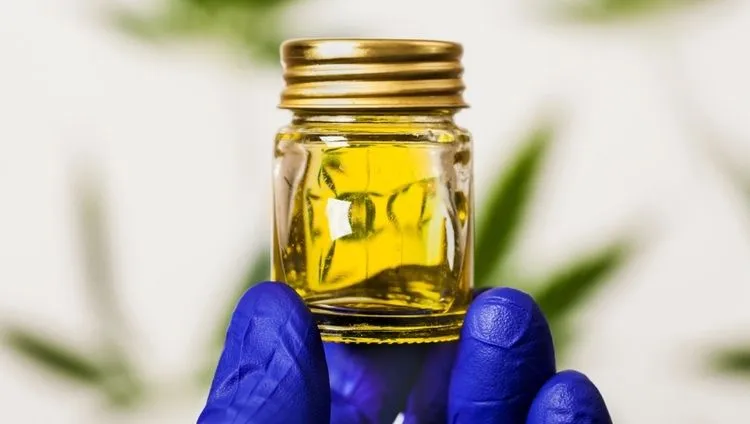
Using CBD for bipolar disorder
Bipolar disorder can seriously disrupt normal daily activities and is difficult to treat effectively.
Many people are now turning to CBD, which can serve as a means of alleviating the symptoms of the disorder.
It works in several different ways in relation to hormones, neurotransmitters, and homeostasis of the central nervous system. It also helps alleviate common side effects of the disorder, such as muscle tension, insomnia, anxiety, and depression.
The most important thing to remember when using CBD supplements for bipolar disorder is to first consult with your doctor or doctors and avoid any supplements or cannabis containing high amounts of THC. This is very important because THC can actually worsen the symptoms of bipolar disorder.
Author: Elena Moreau
Photo: Shutterstock
“All information provided on this website, as well as information provided through this website, is for educational purposes only. None of the information contained herein is intended to be a substitute for a medical diagnosis and should not be considered medical advice or recommended treatment. This website does not endorse, condones or advocate the licit or illicit use of narcotic drugs or psychotropic substances or the commission of any other illegal activity. For more information, please see our Disclaimer .”
Recommended products
Cannaline CBD Softgel Capsules – 750 mg CBD, 30 x 25 mg
Green Pharmaceutics Broad spectrum tincture, 10%, 1000 mg CBD, 10 ml
CANNALINE CBD Hemp Oil THC FREE 5%, 500 mg, 10 ml
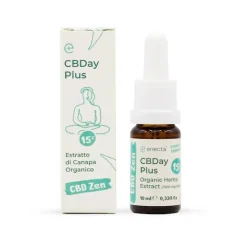
Enecta CBDay Plus Organic Hemp Extract CBD oil 15%, 1500 mg, 10 ml
Imported from Canatura. Links have been converted to thcvapestores.com where possible.