
Does black pepper help manage the effects of cannabis?
- What is black pepper?
- Why black pepper is good for you
- The science of terpenes
- What is beta-caryophyllene?
- Everything in moderation—including cannabis
Black pepper and cannabis seem like two completely unrelated plants. Although one is used for its effects on the body and the other adds flavor to food, the two actually have more in common than you might think. Like cannabis, black pepper contains cannabinoids—molecules that interact with the endocannabinoid system.
Before you decide to smoke some of this black pepper, keep in mind that this spice has no psychoactive effects. Instead, the terpene found in black pepper actually reduces the psychotropic effects of cannabis. This can be useful if you take an excessive dose or if you want to limit the effects of cannabinoids during everyday tasks.
We’ll take a closer look at this relationship below.
What is black pepper?
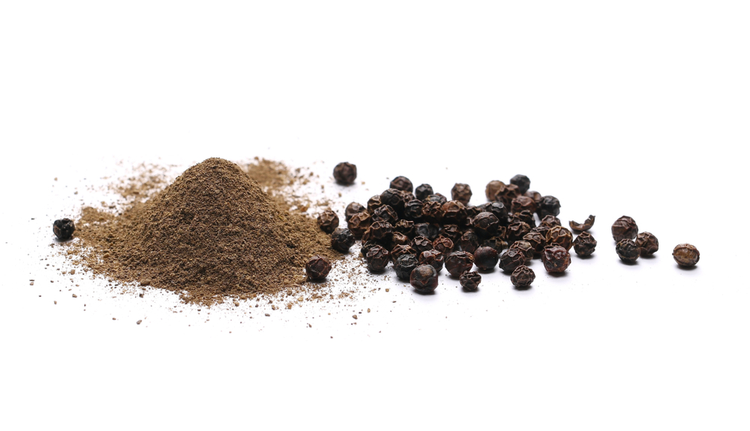
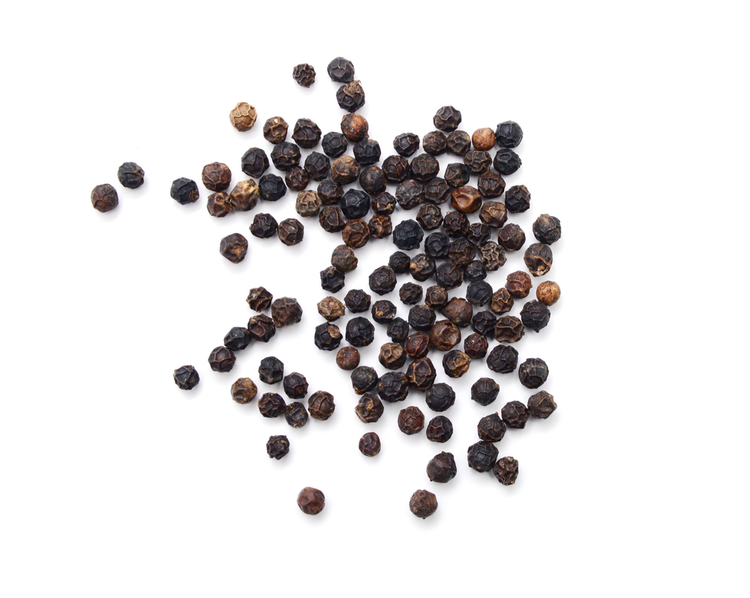
Most people know black pepper as a spice that, along with salt, adds a pleasant flavor to almost every savory dish imaginable. The peppercorns in spice mills come from a herb known as Piper nigrum.
Piper nigrum, native to southern India, belongs to the Piperaceae family. The flowering vine produces broad leaves and long, narrow flowers that bear pepper as fruit. Once dried, these small pieces of spice find their way into nearly every kitchen cabinet in the world before transforming into tiny granules on our plates.
Since ancient times, people have used black pepper to flavor food and as a holistic herb. For example, the ancient Indian system of Ayurveda considers black pepper to be the “king of spices.” The system considers the herb to be a pungent substance that stimulates the digestive fire.
Why black pepper is good for you
Black pepper is not just a flavor, but has a number of beneficial properties. Here are some of the main reasons to include ground pepper in your diet.
Antioxidant
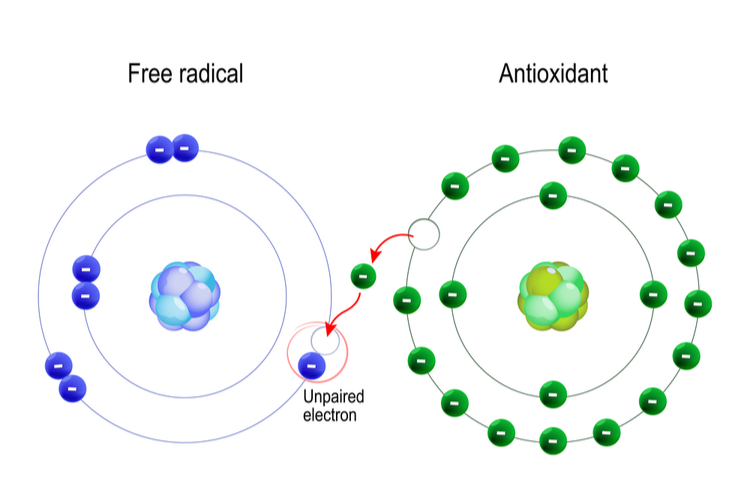
Black pepper boasts a high antioxidant content. These molecules travel through the bloodstream and neutralize free radicals, harmful molecules that damage DNA through oxidation.
Soothing
Ground black pepper can help calm the intestines and promote the growth of beneficial bacteria. These little creatures help us get the most out of our food.
Cholesterol
We all know the harmful effects of too much cholesterol. Black pepper can help lower cholesterol levels, including LDL—the bad kind.

Stimulates digestion
As ancient Ayurvedic practitioners reported in the distant past, black pepper is now believed to stimulate digestion and increase the absorption of other beneficial molecules found in turmeric and green tea.
Memory
Adding ground pepper to your food may please your neurons. In a mouse model of induced neurotoxicity, black pepper was found to have the potential to improve memory, making it an interesting subject for future research.
The science of terpenes
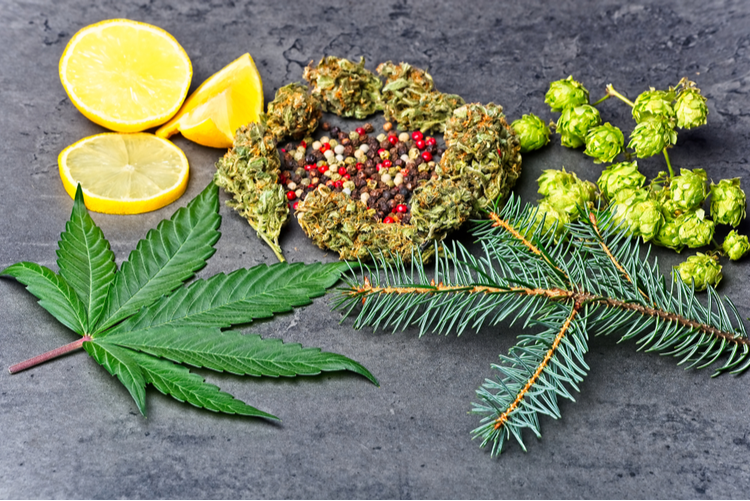
Terpenes are aromatic hydrocarbons found throughout the plant kingdom. These molecules are responsible for the smells you experience when peeling an orange or walking through a pine forest. There are approximately 20,000 terpenes in nature, and 200 of them are produced in the trichomes of cannabis plants.
In plants, terpenes play the role of secondary metabolites. They are not involved in the growth or reproduction of the organism. However, they serve to repel pests, attract beneficial species, and protect against environmental stresses such as excessive heat.
Terpenes are the main players when it comes to the unique effects of different cannabis strains. These aromatic molecules synergize with cannabinoids, such as THC and CBD, in a mechanism known as the entourage effect to enhance their effects. Terpenes also offer their own effects. For example, myrcene induces a relaxed state of mind, while limonene refreshes and energizes.
What is beta-caryophyllene?
Beta-caryophyllene is a phytocannabinoid-terpenoid. This means that when consumed by humans, it binds to receptors in the endocannabinoid system and plays the role of a cannabinoid, just like THC, CBD, and other molecules.
Cannabinoids share a similar molecular structure with endogenous cannabinoids such as anandamide. This similarity allows them to activate, block, or reduce the activity of cannabinoid receptors. Many cannabinoids achieve their effects through this mechanism. For example, THC induces its effects by binding to the CB1 receptor and increasing its activity. In contrast, CBD works by blocking the same receptor.
Beta-caryophyllene has earned its cannabinoid status due to its ability to bind to the CB2 receptor and increase its activity—a mechanism that supports the molecule’s unique effects. Remarkably, beta-caryophyllene is the most common terpene found in cannabis extracts. Other food sources, such as hops, cinnamon, cloves, and rosemary, also contain this chemical, leading scientists to label it a food cannabinoid.
In addition to its own effects on the endocannabinoid system, black pepper appears to alter the way other cannabinoids affect this network in the body. In particular, it can modulate the effects of THC. By binding to the CB2 receptor, beta-caryophyllene induces a relaxing effect. In this way, beta-caryophyllene is analogous to CBD in its ability to alter the psychotropic impact of THC.
The strategy of chewing black pepper during a cannabis-induced panic attack has been used in the cannabis community for decades. Now science has begun to confirm this idea. By modulating the endocannabinoid system through a completely different receptor, beta-caryophyllene can help clear the mind.
Everything in moderation—including cannabis
Using this pepper-derived terpene can help when a person uses too much cannabis. However, if you experience unpleasant side effects from cannabis, you should consider how often you use the herb. Users should maintain a certain level and not overdo it. If you feel that you have crossed a certain line, consider taking a break. When you return, the negative effects are unlikely to return. And for those moments when the effects are too strong and unpleasant, consider black pepper or varieties loaded with beta-caryophyllene.
Author: Elena Moreau
Photo: Shutterstock
“All information provided on this website, as well as information provided through this website, is for educational purposes only. None of the information contained herein is intended to be a substitute for a medical diagnosis and should not be considered medical advice or recommended treatment. This website does not endorse, condones or advocate the licit or illicit use of narcotic drugs or psychotropic substances or the commission of any other illegal activity. For more information, please see our Disclaimer .”
Imported from Canatura. Links have been converted to thcvapestores.com where possible.