How long does CBD stay in the body?
- How long does CBD stay in your system?
- What does research say?
- What does half-life mean?
- Estimated CBD concentrations after a 10 mg dose
- What happens when CBD is taken in a much lower dose?
- How the body processes CBD
- How long does CBD stay in urine?
- Does CBD interact with other medications?
- Conclusion: How long does CBD stay in the body?
Different methods of using CBD lead to different results. After inhalation, you can feel the effects of CBD quickly. But how long does CBD remain after the effects wear off?
If you want to take a short break, increase your dose, switch from one method of use to another, or are simply interested in what happens to CBD after it enters the body, you will find the answers in this text.
In this article, we will discuss how CBD is absorbed, metabolized, and excreted. We will compare long-term CBD use with short-term use and how this can affect the length of time CBD remains in the body after the effects have worn off.
So how long does CBD remain in your system?
We need more research to get a definitive answer to this question. But here’s what we know so far:
CBD will not remain in your system for more than 7 days after your last use—unless you are a frequent CBD user (more than 10 mg per day for several weeks). In that case, it may take up to another two weeks for CBD to leave your system, depending on how often you use it.
What does the research say?
In a study published in Pharmacology, Biochemistry, and Behavior, 14 patients with Huntington’s disease were given extremely high doses of oral CBD (10 mg/kg/day—about 700 mg/day) for six weeks. The study found that CBD levels dropped to an average of 1.5 ng/mL one week after CBD was discontinued. Cannabidiol levels were virtually undetectable after about a week.

What does half-life mean?
The elimination half-life of a drug or compound is a common measure in medicine to determine the time it takes for 50% of the initial dose of the compound to leave the body.
Each half-life results in proportionally less elimination.
This is how the half-life of CBD works, assuming that the half-life of 10 mg of CBD is 3 hours:
- About an hour after taking CBD, it reaches a maximum concentration of 10 mg
- After the first half-life (3 hours), only 5 mg of CBD remains in the body
- After the second half-life (6 hours), only 2.5 mg of CBD remains in the body
- After the third half-life (9 hours), only 1.25 mg of CBD remains in the body
- After the fourth half-life (12 hours), 0.62 mg of CBD remains in the body
The half-life varies depending on the method of administration and the duration of CBD use. Smoking CBD has a half-life of 31 hours, and long-term oral use of CBD increases the half-life to 2-5 days.
Estimated CBD concentrations after a 10 mg dose
| Time after CBD administration | Oral CBD (single dose) | Oral CBD (long-term use) | Inhaled CBD |
|---|---|---|---|
| 3 hours | 5 mg | 10 mg | 10 mg |
| 24 hours | 0.3 mg | 8 mg | 6 mg |
| 3 days | 0 mg | 5 mg | 2.3 mg |
| 1 week | 0 mg | 2.3 mg | 0.3 mg |
The point is that CBD will be out of the system in about a day after a single use, while regular CBD users and those who use it by smoking or vaporizing will likely have to wait a week or more for the CBD to completely leave their system.
What happens when CBD is taken in much lower doses?
As you might imagine, lower doses of CBD will not remain in the bloodstream as long as higher doses.
A study published in Therapeutic Drug Monitoring found that 1.35 mg of CBD was detectable in the blood only about 6 hours after ingestion.
It is important to keep in mind that the seven-day timeframe may vary from person to person. The time it takes to clear CBD from the system depends on several factors, including:
- Individual metabolism
- Method of use
- How often CBD is used
- The dose of CBD taken by the user
- The age of the user (older people metabolize compounds more slowly)
- Other medications
How does the body process CBD?
The elimination of CBD revolves directly around how it is processed in the body.
This can vary depending on the form of CBD used:
1. Oral consumption (swallowing)
What happens in the body when CBD is administered orally?
When administered orally, CBD has a low bioavailability of approximately 13-19%. The bioavailability of a drug (in this case, CBD) is the amount of CBD that enters the bloodstream and produces an active effect.
To better understand the bioavailability of swallowed CBD, let’s compare this method with an intravenous dose of CBD (administered directly into a vein). If you take CBD or any other drug directly into a vein, the bioavailability of that drug is assumed to be 100%. This is because the drug is injected directly into the systemic circulation.
Things work differently in the body when you take a CBD capsule orally. The capsule material passes through the organs and is processed in the intestines and liver before reaching the systemic circulation.
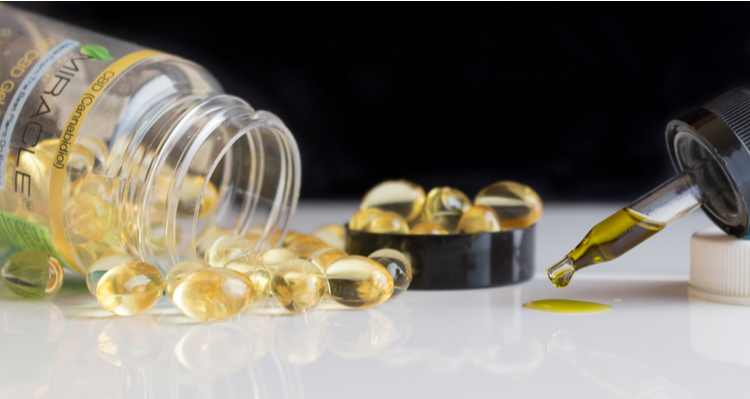
The metabolic process of CBD and other drugs that are broken down by intestinal and/or liver enzymes is called the first-pass effect. The low absorption of orally administered CBD has been largely attributed to first-pass metabolism, where CBD is processed by the intestines and liver.
According to several studies, CBD passes through the CYP450 enzyme system in the liver—a key pathway for drug metabolism. This is where CBD is inactivated and prepared for excretion from the body by the kidneys. Approximately 100 different CBD metabolites have been discovered in various animal species. The main human metabolites of CBD are 7-COOH-CBD (7-carboxy-cannabidiol) derivatives.
Molecules absorbed by the lymphatic system or the distal rectum can bypass the liver. The lymphatic system plays a role in the absorption of fats and fat-soluble nutrients. Cannabidiol, as a highly lipophilic compound—a compound that has the ability to dissolve or combine with lipids or fats—can be transported by the lymphatic system.
The lymphatic system has a special membrane in the small intestine that receives most of the absorbed fats from the gastrointestinal tract. Absorbed fats are delivered by lymphatic fluid directly into the bloodstream.
Studies also show that when CBD is taken together with lipids, it is better absorbed into the lymphatic system. It is therefore advisable to take CBD after a high-fat meal.
This means that CBD oil bypasses first-pass metabolism in the liver. So how is it metabolized?
In the intestines, CBD is metabolized by the cytochrome P450 enzyme system, more specifically by the CYP3A4 isoenzyme, which accounts for nearly 70% of the total amount of CYP450 in the intestine and 60% in the liver. Extensive metabolism by this enzyme in the intestines causes poor bioavailability of many drugs.
Lymphatic metabolic transport of CBD is important for several reasons, including:
Higher CBD levels compared to plasma
Plasma is the largest component of human blood and contains water, enzymes, salts, antibodies, and other proteins. When a drug reaches the plasma, it must be present in a minimum concentration to produce effects, which can be difficult if the drug has low bioavailability.
According to an animal study published in Scientific Reports, CBD, together with lipids, has a higher chance of utilizing lymphatic transport. The study found that CBD concentrations in tissue fluid were 250 times higher than in plasma. This means that when taken with a high-fat meal, oral administration of CBD is more effective.
More effective in regulating and normalizing the immune system
When CBD is taken orally after a high-fat meal, CBD absorption in the intestinal lymphatic system is much higher and shows potential for treating autoimmune diseases.
2. Smoking CBD
Inhaling CBD has shown a high absorption rate, as the lungs transfer CBD directly into the bloodstream. The compound reaches the blood within seconds and is transported through a network of capillaries.
A fraction of CBD is converted to 7-carboxy-cannabidiol (inactive CBD) and further metabolized to 7-carboxy-cannabidiol-glucuronide. The rest is excreted in the urine. When using this method of consumption, CBD is rapidly absorbed within minutes of consumption, but this also means that the effects of CBD are short-lived.
According to a 2018 study, three minutes after smoking a cigarette containing 19.2 mg of CBD, the highest plasma concentrations of 110 ng/mL were recorded. One hour after administration, CBD concentrations dropped to 10.2 ng/ml. The average bioavailability in smoke is 31%, which means that when inhaled, CBD tends to be absorbed into the bloodstream at a higher rate than when taken orally. However, inhaled CBD is also broken down more quickly.
3. Sublingual use
When used sublingually, CBD is placed under the tongue and transferred into the bloodstream through the mucous membranes and capillaries in the mouth, effectively bypassing the digestive system and liver.
Sublingually used CBD will therefore follow a similar path in metabolism and excretion as inhaled CBD.
4. External application
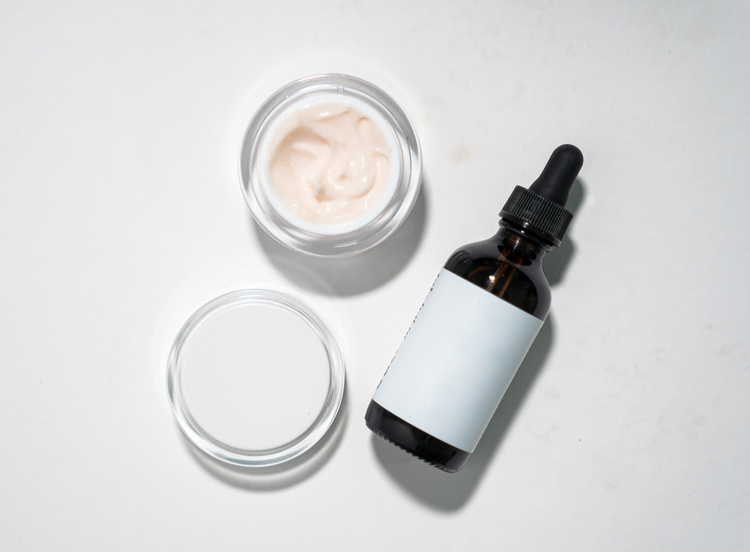
During external application, CBD creams, ointments, and other products are applied directly to the skin. External application is best for localized symptoms such as local inflammation and pain caused by arthritis. External application of CBD works locally—the applied CBD product never reaches the bloodstream.
External CBD affects human sebocytes—cells that form the sebaceous gland to produce oily secretions that keep the skin supple.
When applied externally, CBD is expected to enter the skin via the transfolicular route and accumulate in the sebaceous gland. This means that CBD can penetrate the follicles into the sebaceous gland and thus achieve a local effect. External administration includes transdermal application, where CBD is administered into the skin and absorbed by the skin to achieve systemic circulation.
How long does CBD remain in urine?
There is very little research on how long CBD is detectable in urine.
In a 2016 study, researchers at Pacific Toxicology Laboratories in Chatsworth, California, administered various CBD-rich cannabis products to a control group of 15 participants. Two hours after administration, 14 of the 15 participants tested positive for CBD metabolites. The researchers found that CBD was no longer detectable in the urine of one participant after just 24 hours.
Does CBD interact with other medications?
Yes, CBD can interact with other medications—which can shorten or lengthen the time it takes for CBD to be eliminated from the body.
The very first observed pharmacological effect of CBD was related to drug interactions. CBD is both a promoter and inhibitor of CYP450 enzymes, so it could interfere with the metabolism of other drugs.
One study examined potential drug interactions between oral CBD spray and CYP450 inducers and inhibitors at various dosing regimens. The study, conducted on healthy male subjects, showed that inducers of CYP3A4, an enzyme involved in CBD metabolism, significantly reduced the maximum plasma concentration of CBD. On the other hand, an inhibitor of CYP3A4 nearly doubled the maximum plasma concentration of CBD.
Conclusion: How long does CBD stay in the body?
CBD does not remain in your system for more than a week after a single use—even when taken at the highest dose.
However, with long-term use, it can take a whole week or even longer for the body to completely clear it. This is mainly because CBD accumulates in the bloodstream and fat over time if it is not completely broken down after each use.
The amount of CBD that remains in the system after a dose depends on several factors, including the method of use, dosage, frequency of use, and use of other medications.
Author: Elena Moreau
Photo: Shutterstock
“All information provided on this website, as well as the information provided on this website, is for educational purposes only. None of the information provided herein is intended to be a substitute for a medical diagnosis, and such information cannot be considered medical advice or recommended treatment. This website does not endorse, approve or advocate the permitted or illegal use of narcotics or psychotropic substances or the commission of other illegal activities. For more information, please see our Disclaimer.”
Recommended products
Cibdol softgel capsules 40% CBD, 4000 mg CBD, 60 capsules
CBD Star CBD Hemp capsules 10%, 1000 mg, 30×33 mg
Eighty8 CBD Live Resin Vape Lemon Cherry Gelato, 92 % CBD, 2 ml
Hemnia Full-Spectrum CBD MCT Coconut Oil 10%, 3000 mg, 30 ml, Green Tea
Euphoria CBD Oil 25%, 10 ml, 2500 mg
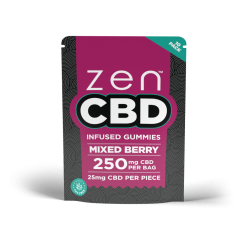
ZEN CBD Gummies – Mixed Berry, 250 mg, 10 pcs
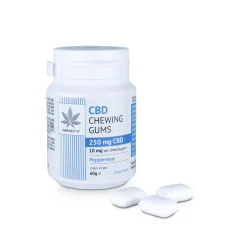
Cannaline CBD Chewing Gum Peppermint, 250 mg CBD, 25 pcs x 10 mg, 60 g
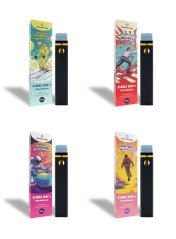
Canntropy CBD disposable vapes bundle, All in One Set – 4 flavours x 1 ml
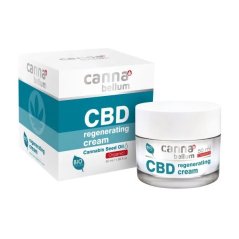
Cannabellum CBD regenerating cream, 50 ml
Imported from Canatura. Links have been converted to thcvapestores.com where possible.