Is cannabis addictive?
- Definition of addiction
- Theoretical model of addiction
- Three stages of addiction
- Weed addiction—physical or psychological?
- How marijuana can lead to addiction
- Cannabis use disorder
- Marijuana addiction vs. abuse
- From cannabis use to tolerance to addiction to withdrawal
- Conclusion
Disclaimer: All information provided in this article is for educational purposes only. The article only describes possible uses of CBD flowers, assuming that these flowers do not contain more than 0.3% THC. The purpose of the article is in no way to seduce, encourage, or incite anyone to abuse any addictive substances. The article is not suitable for persons under the age of 18.
Ever since Nixon, those in power have been trying to convince ordinary citizens that marijuana is dangerously addictive. They will constantly repeat that, just like heroin, crack, or any other drug, all it takes is one try and your soul will be sold to the devil.
Today, of course, the overall approach is much less negative and paranoid. In some cases, this can lead to excessive optimism, as many people now believe that marijuana has absolutely no addictive potential. Unfortunately, this is not the case, but that does not mean that Nixon was right. The concept of addiction encompasses much more than many people realize, and to fully understand the addictive potential of cannabis, it is necessary to consider its various types.
Definition of addiction
To proceed, we should establish a basic definition of addiction. As with other diseases, we should also consider the different stages of addiction development.
Theoretical model of addiction
Scientists Koob and Volkow define addiction by four different factors. First, it must be chronically relapsing, meaning that it can return permanently even when it appears to have gone away. In addition, addiction is characterized by a constant craving for the drug and its consumption, an inability to control the rate of consumption, and negative emotions when the drug cannot be obtained.
If all of these behaviors occur simultaneously, the person is considered addicted to a particular substance. Even after recovery, a person is still considered addicted if this behavior has been present for a long period of time in the past.
Three stages of addiction
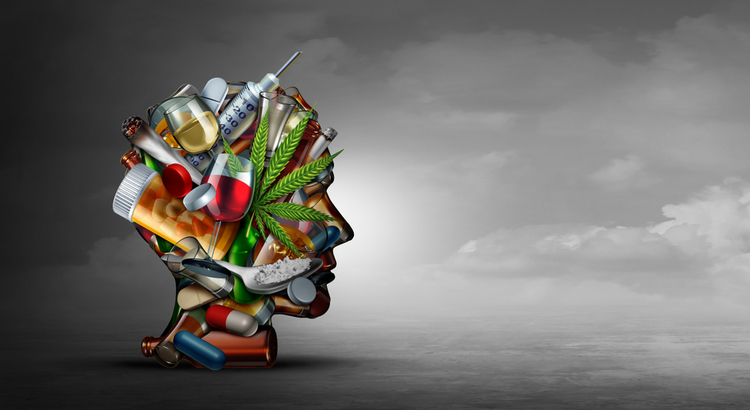
Koob and Volkow describe addiction in three stages. It begins with binge intoxication, followed by withdrawal/negative affect, and finally preoccupation/anticipation.
Excessive intoxication is characterized by several types of behavior. First and most clearly, you will notice excessive impulsivity related to drug use, along with frequent urges to use despite negative consequences. The second sign is high dopamine release in certain situations—specifically, moments when the brain associates with drug use. The brain does this simply to motivate you to use the drug again.
The withdrawal/negative influence phase, triggered by the responses of opposing processes that come after a binge, has various neurological symptoms.
For starters, the reward system in your brain is altered to have a higher threshold for the incentive to use drugs. In simple terms, this makes it harder to feel motivated to do things that are not related to drugs. The ability to control emotions is also impaired, especially when it comes to negative feelings. The withdrawal phase specifically leads to increased restlessness, dysphoria, feelings of illness, and chronic irritability.
After withdrawal ends, the preoccupation/anticipation phase creates a risk of relapse. This risk comes in the form of three neurological changes. As before, the brain is increasingly attracted to any stimulus it associates with drugs. Because the brain releases more dopamine in these situations, it also offers less when exposed to normally positive signals unrelated to drugs. After linking them together, the brain becomes less able to stop behaviors that can be considered maladaptive.
Weed addiction—physical or psychological?
Once we know what addiction looks like, we can also focus on its different types. Specifically, we should distinguish between physical and psychological addiction. Physical addiction involves the brain becoming involved in the physical need for the drug to continue functioning and surviving. Without this drug, the body begins to feel sick until it gets more. However, this can only happen with drugs that contain addictive substances, such as heroin, methamphetamine, and nicotine.
Psychological addiction is different. Instead of a physical need for the drug, the addict feels a strong mental urge to use it. The body does not need it, but the brain tries to convince the individual that it does.
However, this can also be experienced with other things, not just drugs. It can be eating a certain type of food, going to the gym, or even working. If you spend all day doing it, devote yourself to it excessively, and your compulsion negatively affects your life, you are likely to be psychologically addicted. It is not as harmful as physical addiction, but it is still an addiction.
Marijuana, although it does not contain any addictive substances, can still be the basis for psychological addiction. It does not cause the same problems as addiction to alcohol, heroin, or methamphetamine, but there are still risks.
The motivation to do other things will wane and a person’s ability to function without it will decrease. To make matters worse, heavy users may experience physical withdrawal symptoms such as gastrointestinal problems and decreased appetite.
How marijuana can lead to addiction
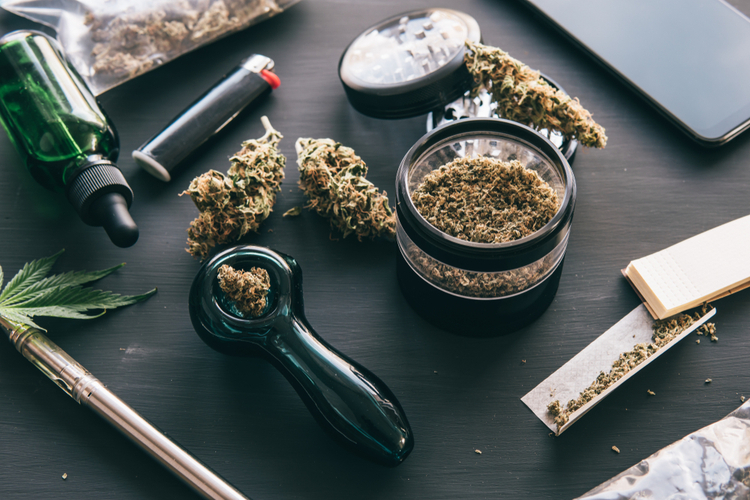
So how does a person become addicted to marijuana? It usually starts as an occasional activity among friends. Once you have some money and no one is stopping you from spending it, you can have a constant supply. When you have constant access to marijuana, it can become a way to cope with regular negative emotions.
Once it takes on this role in your life, the problem becomes a little more serious. You are likely to start using it every day, then even several times a day. You don’t use the same amount. As with other drugs, your body develops a tolerance and the reward pathway in your brain changes. As you use more, you will need more to feel the same satisfaction as you did the first time.
As mentioned above, many people who use cannabis daily manage to lead decent lives. However, those with less willpower (and those in poorer health) fare worse.
Cannabis use disorder
This unfortunate situation actually has a name: cannabis use disorder. It affects those who continue to use cannabis despite the damage to their health and quality of life. They may use more than is appropriate or have tried unsuccessfully to quit in the past.
People with this problem also fall behind in their professional or social responsibilities and spend most of their time trying to obtain it.
If this sounds familiar, it is because these are the same characteristics that manifest themselves in any form of addiction. The rate of addiction among users is much lower than with harder drugs, but it should still not be trivialized. In rare cases, excessive use can destroy lives and health.
Weed addiction vs. abuse
Before we go any further, we should also highlight the differences between the various types of everyday cannabis users. Not all of them have problems, as we will explain, but if they are not careful, they may start to have problems.
From cannabis use to tolerance to addiction to withdrawal
As we have already mentioned, it all starts with occasional use. If someone gains easier access to cannabis and uses it for long enough, they may develop a tolerance. If they do not get a higher dose, they will only face the reduced effects of their usual dose. If they have the opportunity, they will likely increase the dose in an attempt to get the maximum effect they felt before. This, of course, leads to a further increase in tolerance, and addiction begins to form.
This is where the paths may diverge. For example, someone who smokes daily but has no social, professional, or health problems would not be considered an abuser. They may be addicted, but if it does not negatively affect their life, it is not considered a problem.
The same person, if they are not careful, could miss important events or obligations because of smoking. Or they may develop health problems arising from smoking itself. If this starts to happen and individuals are unable to quit smoking, it is considered cannabis abuse
In both cases, they may experience withdrawal symptoms, whether they used cannabis safely or dangerously every day. However, withdrawal could be much more unpleasant for the abuser. Even then, it would not be comparable to withdrawal from heroin or methamphetamine.
Conclusion
The answer to the question posed in the title is: Yes, cannabis can be addictive. Cannabis addiction is rarer and much less serious than addiction to harder substances such as heroin and methamphetamine, or even nicotine and alcohol.
If you can manage your social and professional priorities and stay healthy, there is no reason to fear cannabis. On the other hand, if you know you have a tendency to become addicted or have weak willpower, you may want to reconsider. As you will learn from any dispensary employee or cannabis advertisement: you must use it responsibly.
Author: Elena Moreau
Photo: Shutterstock
“All information provided on this website, as well as information provided through this website, is for educational purposes only. None of the information contained herein is intended to be a substitute for a medical diagnosis and should not be considered medical advice or recommended treatment. This website does not endorse, condones or advocate the licit or illicit use of narcotic drugs or psychotropic substances or the commission of any other illegal activity. For more information, please see our Disclaimer .”
Recommended products
Canntropy Sticker
Cannastra Sticker
Imported from Canatura. Links have been converted to thcvapestores.com where possible.