
CBD and Heart Disease – How Can It Help?
- What are the benefits of CBD oil in combating heart disease?
- Potential benefits of CBD in combating heart disease:
- How to use CBD oil for heart disease
- Do not start or stop taking aspirin unless your doctor recommends it.
- What form of CBD should you take?
- What is the optimal CBD dose?
- General Dosage Guidelines for Cardiovascular Conditions
- Basic information about heart disease
- 1. Angina pectoris (coronary artery disease)
- 2. Atrial fibrillation
- 3. Cardiomyopathy
- 4. Congenital Heart Disease
- 5. Congestive Heart Failure
- 6. Heart Attack (Myocardial Infarction)
- What causes heart disease?
- Conclusion: CBD in the fight against heart disease
According to the World Health Organization, heart disease is the leading cause of death worldwide. Nearly 18 million people die from these conditions every year.
According to a 2008 study, approximately 90% of heart attacks can be prevented. It is believed that CBD products may offer broad protective effects against the development of heart disease.
In this article, we’ll explore what heart disease is, how CBD can be used to prevent it, and what else you can do to reduce your risk of falling victim to the leading cause of death worldwide. Let’s get started.
What are the benefits of CBD oil in combating heart disease?
There are many different forms of heart disease—some are serious and life-threatening, others are milder. CBD can be a useful supplement for alleviating the common effects of heart disease, and in some cases, it can help address the underlying causes of the condition.
CBD may be particularly beneficial for people suffering from atrial fibrillation (or other arrhythmias) associated with anxiety and inflammatory causes, including atherosclerosis. In the future, studies should be conducted to directly examine the relationship between CBD use and heart health in humans.
Most patients with heart disease use CBD to alleviate comorbidities such as anxiety, inflammation, insomnia, and depression.
Potential benefits of CBD in combating heart disease:
– Stabilizes blood sugar levels
– Supports weight loss (by boosting metabolism and immunity)
– Reduces inflammation
– Lowers blood pressure “in the face of” acute stress
– Protects arteries from oxidative stress
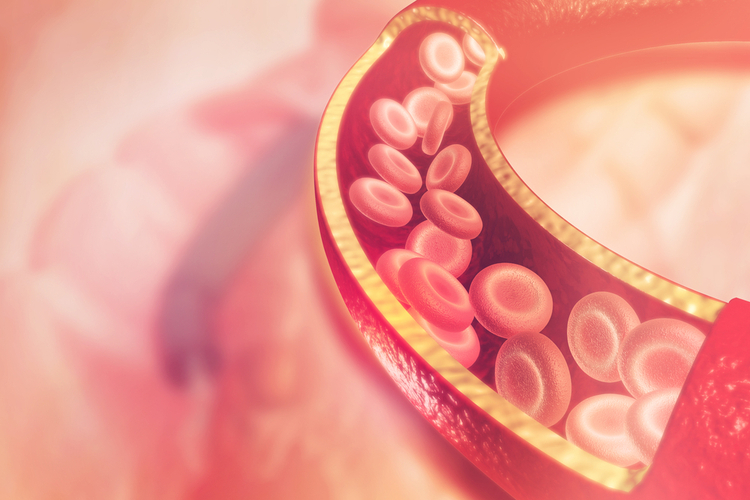
How to use CBD oil for heart disease
Heart disease is a serious condition that requires supervision by an experienced physician. Before taking any supplements—including CBD—always consult your doctor.
It is important to know that CBD will not stop ongoing chest pain or a heart attack. If you experience symptoms such as tightness in the chest/arm/jaw, nausea, or excessive sweating, you should immediately call emergency medical services or go to the nearest emergency room.
After calling for help in such a situation, it has been shown that chewing one adult aspirin (325 mg) or up to 4 children’s aspirins (81 mg each x 4 = 324 mg) at once with water reduces mortality from a heart attack.
It is important not to swallow it without chewing, and to avoid enteric-coated aspirin—the idea is to take the aspirin as quickly as possible after calling for help.
Do not take aspirin if you are allergic to it, and do not give it to a child unless a doctor recommends it. Even if you take aspirin daily, you should take an additional dose at the onset of heart attack symptoms.

Do not start or stop taking aspirin unless your doctor recommends it.
It is also important to note that CBD may interact with medications, including heart medications such as glycosides and blood thinners. While CBD has been shown to be safe in both animal and human studies, it may be necessary to reduce your CBD dose if you are taking any common heart medications.
To get the most out of your CBD supplement, look for products from companies that use certified organic hemp, and avoid those that do not publicly list third-party lab test results on their websites. Any impurities in low-quality oils can further exacerbate the underlying causes of heart disease, so it’s important to ensure you’re using only high-quality products.
We also recommend using full-spectrum oils, not just CBD isolates, because they contain other cannabinoids from the hemp plant that offer their own range of benefits in fighting inflammation, regulating blood sugar, and managing anxiety—all of which are critically important in addressing the underlying causes and factors in the progression of heart disease.
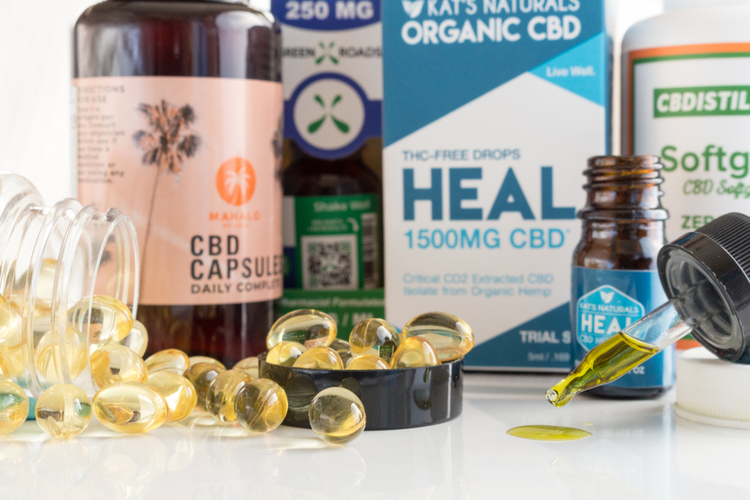
What form of CBD should you take?
Choosing which type of CBD to use may seem complicated at first—depending on the manufacturer, there are capsules, oils, tinctures, oral sprays, edibles, oral patches, vaporizer oils, coffee, and many other forms.
The truth is that most of them will work. In all forms, except for topical CBD, the result is the absorption of CBD into the bloodstream. It follows that when it comes to heart disease, CBD oils, tinctures, and capsules offer distinct advantages over other options.
The advantage of CBD oils and tinctures is that the dose can be measured more easily than with most other forms. Once you determine the amount of CBD contained in each milliliter or drop of liquid, it is easy to adjust the dose based on how it affects you.
CBD capsules are also an excellent option, and many consider them the most convenient form of CBD dosing.
Tips for Optimizing CBD Use
– Use a full-spectrum extract
– For best results, use CBD long-term
– Make changes to your diet and lifestyle
– Discuss CBD use with your doctor to avoid interactions with medications
– Use only oral CBD
– Avoid smoking cigarettes and other tobacco products at all costs
What is the optimal CBD dose?
The required CBD dose may vary from person to person. This is because the compound affects everyone differently depending on liver health, your medications, digestive tract, and genetic variability in the function of endocannabinoids in the body. For this reason, most people must use trial and error when first trying CBD.
The best way to find the optimal dose is to start with the lowest dose in the table below based on your weight and gradually increase it each day by adding 2 mg or 3 mg of CBD. Once you feel relief from your symptoms, you’ve found the right dose.
It is important to note that for some people, the dose is much higher than what is listed in the table below. Generally, the maximum CBD dose should be around 100 mg, but this can vary from person to person, and CBD is considered highly safe even at high doses.
General Dosage Guidelines for Cardiovascular Conditions
|
Low Strength CBD |
Medium Strength CBD |
High Strength CBD |
|
Mild anxiety |
Anxiety |
Atherosclerosis |
|
High cholesterol |
Coronary artery disease |
High blood pressure |
|
|
Inflammatory conditions |
Anxiety |
|
|
High cholesterol |
Coronary artery disease |
|
|
|
Inflammatory conditions |
Low Strength CBD
Medium Strength CBD
High Strength CBD
Mild anxiety
Anxiety
Atherosclerosis
High cholesterol
Coronary artery disease
High blood pressure
Inflammatory conditions
Basic information about heart disease
The term “heart disease” is often used as a synonym for cardiovascular disease—an umbrella term for all health conditions affecting the heart and blood vessels in the body. Others prefer to use this term to describe health conditions affecting only the heart or even just the specific diagnosis of ischemic heart disease (atherosclerosis).
In this article, we will use this secondary meaning—it refers more to problems with the heart muscle itself than with the rest of the cardiovascular system.
The heart’s job is to pump blood throughout the body rhythmically and efficiently. The movement of blood supplies cells with necessary nutrients while simultaneously removing toxic byproducts. If problems with heart function arise, this can affect the function of all other organs in the body. If the heart stops, even for a few minutes, we can prevent permanent, debilitating damage to our body’s tissues, particularly the brain and the heart itself.
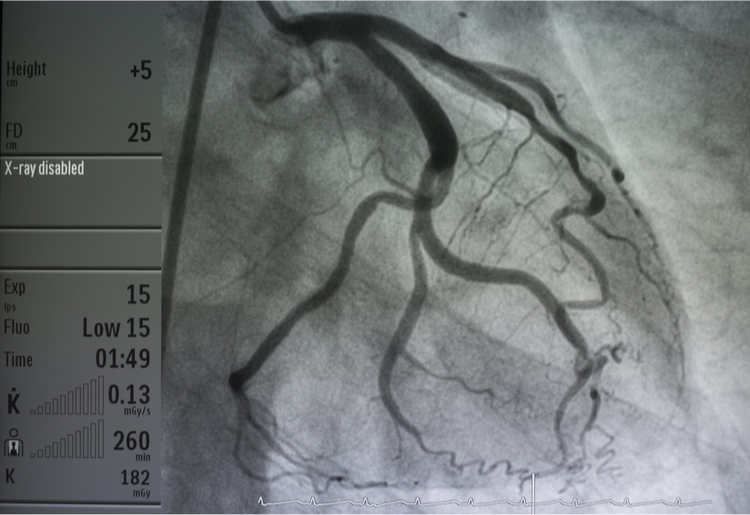
1. Angina pectoris (coronary artery disease)
Angina pectoris is a symptom of coronary artery disease. This condition involves a blockage in one or more of the arteries supplying the heart. As the artery becomes increasingly blocked or the heart requires more blood flow than can pass through the blocked area, it causes symptoms resembling a heart attack, including discomfort or pain in the chest, left arm, or jaw.
It causes chest pain and tightness—usually lasting a few minutes before subsiding on its own. However, there may be no symptoms until the artery is at least 70% blocked, so primary prevention is very important.
This condition is a sign of serious heart disease and dramatically increases the risk of stroke or heart attack. Consulting a cardiologist is essential to maximize survival.
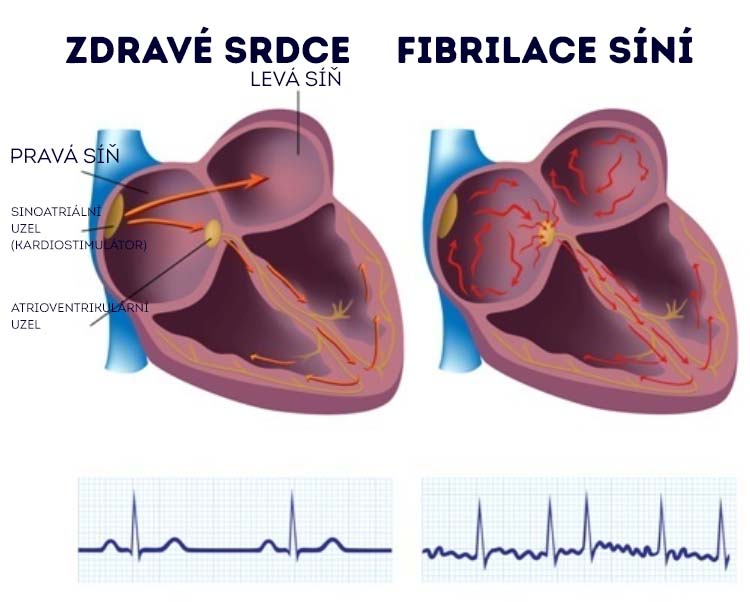
2. Atrial fibrillation
Atrial fibrillation involves an irregular heart rhythm, often described as a pounding heart. The patient may feel as though the heart has lost its rhythm or is skipping beats.
Atrial fibrillation is caused by disturbances in the heart’s electrical activity.
Although most forms of atrial fibrillation are not immediately life-threatening, they can increase the risk of stroke or heart attack later in life. Roughly 33% of strokes in people over 60 are the result of atrial fibrillation.
This condition can be caused by damage to heart tissue following a heart attack, menopause, old age, anxiety, or congenital defects.
3. Cardiomyopathy
Cardiomyopathy is a condition that affects the function of the heart muscle—it negatively impacts its ability to contract and pump blood through the circulatory system. There are several different types of cardiomyopathy depending on the cause—but all lead to a reduction in the heart’s ability to oxygenate the body.
4. Congenital Heart Disease
The term “congenital” refers to conditions present at birth. This condition is caused by problems during fetal development. It can lead to varying degrees of dysfunction throughout life depending on the severity of the defect and may require surgical treatment.
5. Congestive Heart Failure
Heart failure develops after the heart has been damaged, either following a heart attack or after years of pumping blood through stiffened arteries under high blood pressure. It is a condition characterized by the inability to effectively pump blood throughout the body. Symptoms will vary depending on which side of the heart is affected.
If the right side of the heart is damaged, blood begins to accumulate in the lungs, causing pulmonary edema, coughing, and shortness of breath. If the left side of the heart is affected, blood begins to accumulate in the rest of the body, primarily in the arms and legs.
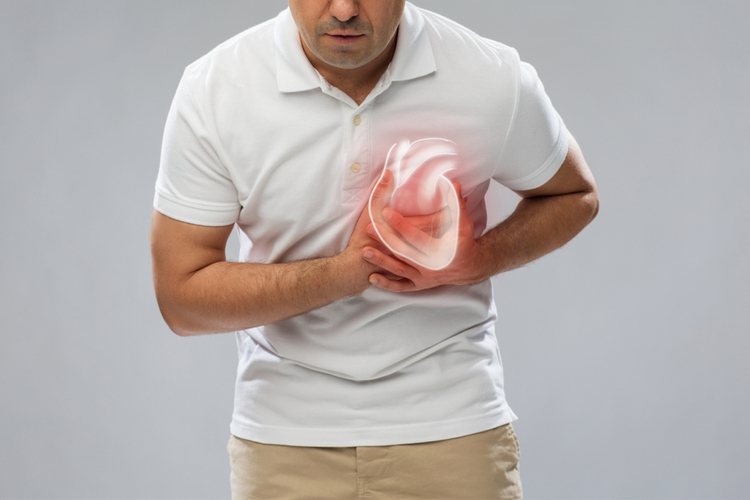
6. Heart Attack (Myocardial Infarction)
A heart attack occurs when the blood flow supplying the heart is blocked by a ruptured atherosclerotic plaque. The heart muscle is extremely strong and requires a constant supply of oxygen and nutrients to beat properly. If the flow of oxygen and nutrients is interrupted, even for a few minutes, it can cause the death of specialized heart cells.
If blood flow is not restored within one to two hours, the condition can be fatal. It can even be fatal in the weeks following the attack, depending on the extent of damage to the heart tissue.
Even in cases where blood flow has been restored, extensive damage can leave survivors with permanent impairment and a reduced quality of life. Heart attacks often lead to congestive heart failure and arrhythmias.
What causes heart disease?
– Excessive alcohol consumption
– Atherosclerosis
– Autoimmune diseases
– Bacterial infections
– Diabetes
– High blood pressure
– A diet high in sodium
– A diet high in refined carbohydrates
– A diet high in trans fats
– Metabolic syndrome
– Recreational drug use
– A sedentary lifestyle
– Side effects of certain medications
– Smoking
– Stress
– Viral infections

Conclusion: CBD in the fight against heart disease
According to previous research, CBD shows promise in combating many underlying causes of heart disease, including diabetes, anxiety, high stress, inflammation, atherosclerosis, and metabolic syndrome.
Heart disease is often incurable and frequently requires complex medical care—CBD is generally used purely to reduce the risk of developing the disease, manage comorbidities, and slow the progression of certain types of heart disease.
Whenever you wish to use CBD to manage heart disease,it is important to first consult with your doctor to ensure that your prescription medications will not be negatively affected by CBD or other cannabinoids. Adverse drug interactions are more common with products containing THC as the primary cannabinoid.
If you suffer from active heart disease, avoid smoking tobacco or THC-containing cannabis, as this can also be a rare trigger for heart attacks and other adverse cardiovascular consequences, such as stroke, due to its effect on increasing heart rate and placing greater demands on the heart.
Author: Elena Moreau
Photo: Shutterstock
“All information provided on this website, as well as information provided through this website, is for educational purposes only. None of the information contained herein is intended to be a substitute for a medical diagnosis and should not be considered medical advice or recommended treatment. This website does not endorse, condones or advocate the licit or illicit use of narcotic drugs or psychotropic substances or the commission of any other illegal activity. For more information, please see our Disclaimer .”
Imported from Canatura. Links have been converted to thcvapestores.com where possible.