
CBD and asthma: Benefits, usage and side effects
- Using CBD for asthma
- What is asthma?
- Asthma attacks
- What are the types of asthma?
- Measuring the severity of asthma
- Asthma treatment options
- Guide to using CBD for asthma
- What does the research say?
- How CBD affects asthma
- What is the recommended dose of CBD?
- Potential side effects of CBD
- Conclusion: Using CBD for asthma
In 2015, it was estimated that 358 million people worldwide suffered from asthma. Only 183 million people reported being diagnosed with asthma three decades ago — these figures suggest that asthma is on the rise. As this debilitating condition becomes more common over the years, doctors are urgently seeking new and effective ways to treat it.
In this article, we will look at current research on CBD and its role in asthma. We will also discuss how to use CBD effectively and what you can do to maximise its benefits.
Using CBD for asthma
Asthma is an inflammatory disease of the airways that leads to difficulty breathing. Depending on its severity, asthma can affect the quality of life of those affected. In severe cases, it can even be fatal.
Asthma caused by allergies is particularly dangerous because it leads to excessive mucus production in the lungs, which further blocks airflow into the lungs.
CBD can help in four main ways:
- reducing inflammation in the throat
- making it harder for immune cells to attack cells
- relaxing tense muscles in the chest
- relieving common side effects of asthma (such as insomnia or anxiety)
Tips for getting the most out of CBD and hemp extract for asthma:
- Always consult your doctor before using CBD for asthma.
- If asthma symptoms become severe, it is important not to rely on CBD to relieve symptoms. Always see a doctor in case of an emergency.
- Start with a very low dose of CBD and gradually increase the dose to make sure you are not allergic to anything in the CBD product.
- Always use CBD in conjunction with other forms of treatment, such as dietary and lifestyle changes.
- If you are using CBD for children, always consult your paediatrician before starting CBD and use only CBD extracts made from isolate.
- Only use CBD orally – avoid smoking or vaporising.
What is asthma?
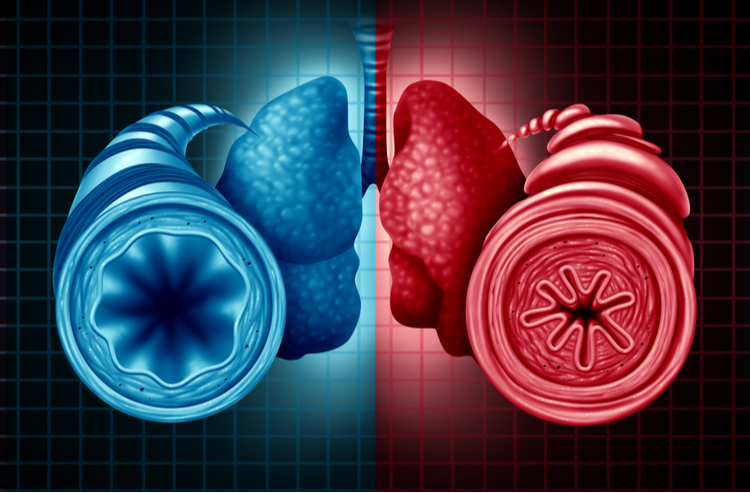
Asthma is a disease involving inflammation of the airways leading to the lungs, which causes difficulty breathing. Asthma symptoms can range from mild to life-threatening. Asthma may be present all the time or may come in the form of “attacks” when the patient is exposed to triggers such as physical exertion or allergies.
Allergic asthma is considered an atopic condition, which includes other allergic conditions such as dermatitis and food allergies.
Atopic individuals tend to be hyperreactive to environmental and food components. It is most common in developed countries, affecting up to 1 in 5 people. There is no cure for asthma. Treatment focuses on reducing the intensity and frequency of attacks and identifying and eliminating triggers.
Asthma attacks
Asthma attacks are temporary periods of increased symptoms of the disease. In most cases, the attack is triggered by something specific – such as dust, cigarette smoke, exercise or food allergies.
During an asthma attack, inflammation of the airways reduces the amount of air that can fit into the bronchioles, requiring more effort for the body to get the oxygen it needs. Attacks can last from a few seconds to several days.
Possible symptoms of asthma:
- Shortness of breath
- Wheezing
- Chest tightness
- Chronic cough
- Fatigue
- Persistent fatigue even after waking up
- Feeling of danger during an asthma attack
- Symptoms appear quickly
- Inability to speak
- Difficulty breathing
- Extreme shortness of breath
- No relief from inhaler
- Blue lips

Although all asthma involves inflammation of the airways, there are several different types of asthma depending on the cause:
What are the types of asthma?
1. Allergic asthma
Allergies are caused by the immune system reacting to specific compounds. Asthma symptoms can develop from the same allergens that cause us to have a runny nose, watery eyes, and itchy skin.
When we are exposed to these compounds, the immune system identifies them and raises the alarm. Specialised cells known as mast cells release neurotransmitters such as histamine, which cause most of the negative effects.
Our airways leading down to the lungs are rich in these immune cells – their job is to ensure that no infectious organisms enter the lungs, where they could multiply and cause us to become ill. During an allergic asthma attack, it is these very immune cells that are supposed to keep us safe that make the condition worse.
Histamine released from mast cells causes the airways to fill with fluid and close up.
2. Non-allergic (internal) asthma
Other forms of asthma can occur without the activation of mast cells during an allergic reaction.
Our airways are controlled by the central nervous system. For example, when we exercise, the central nervous system widens the airways to allow more air to enter the lungs, and then narrows them when we do not need them to prevent heat loss and minimise the entry of infectious organisms into the lungs.
In some cases of non-allergic asthma, the cause of the disease is a dysfunction of the central nervous system, which causes the airways to narrow. This form of asthma can be triggered by medication or exercise.
Causes of non-allergic (internal) asthma may include:
- Aspirin-induced asthma
- Asthma with a fixed airflow obstruction
- Exercise-induced asthma
- Cough-variant asthma
- Occupational asthma
- Nocturnal asthma
- Asthma associated with obesity
- Common asthma triggers
- Pets
- Drugs/medications
- Exercise
- Colds/flu
- Sulphites
- Smoke inhalation
- Dust
- Pollen
- Cold air
- Airborne allergens
- Food allergens
Measuring the severity of asthma
Doctors usually measure the severity of asthma symptoms using a four-point scale:
Grade 1: Intermittent asthma
Asthma symptoms occur less than two days a week and do not interfere with daily activities. This level usually involves short-term attacks and rarely involves night-time symptoms.
Grade 2: Mild persistent asthma
Symptoms occur more than two days a week but only slightly interfere with normal activities. This level of asthma may or may not include occasional night-time attacks.
Grade 3: Moderate persistent asthma
Symptoms occur daily and interfere with daily activities. This level of asthma involves frequent night-time and daytime flare-ups and usually requires medication to keep symptoms under control.
Grade 4: Severe persistent asthma
Symptoms occur throughout the day and can severely interfere with daily activities. Asthmatics who have symptoms at this level often have difficulty with physical activity and frequently suffer from night-time attacks.
Asthma treatment options
- Corticosteroids
- Adrenergic receptor agonists
- Anticholinergic drugs
- Adrenaline
- Leukotriene receptor antagonists
- Mast cell stabilisers

Guide to using CBD for asthma
There are many different causes of asthma, but the underlying cause remains almost the same – inflammation and excessive mucus production in the airways leading to the lungs.
Treatment is therefore similar for different types of asthma – one of the main treatment options is anti-inflammatory compounds. However, you can also support the treatment with CBD products, which can have beneficial effects on various types of inflammation.
To date, there are no clinical studies on the effects of CBD on asthma patients that confirm the effectiveness of CBD on patients in real life, but there are many studies on CBD that highlight the inhibition of specific inflammatory messengers, which play a role in regulating asthma attacks. (more on this in the next section). CBD is a promising supplement for weakening the underlying causes of asthma.
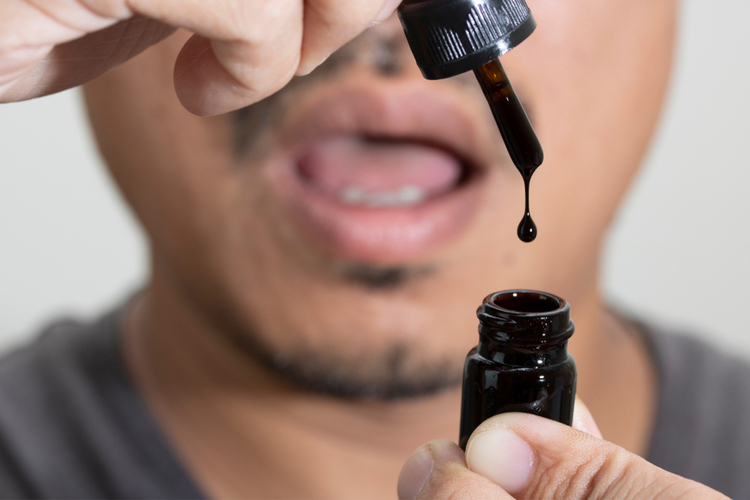
Before using CBD, it is important to talk to your doctor and avoid smoking or vaporising cannabis as a source of CBD. Instead, use other forms of CBD, such as capsules, oils, tinctures, and edibles.
What does the research say?
In 2015, a study was published on rats that were treated with 5 mg/kg of CBD for two days. After the treatment, the researchers measured the inflammatory activity in the animals. All inflammatory markers except IL-10 were significantly reduced, suggesting that CBD was able to reduce the inflammatory factors affecting asthma symptoms.
Asthma caused by an allergic reaction involves an increase in the number of specific immune-reactive cells (Th2 cytokines). Research shows that CBD specifically targets many Th2 cytokines, including IL-6, IL-2, TNF-a, IFN-c, IL-6, IL-12, and IL-17.
| Inflammatory messenger | Role in Asthmatic Response | Effect of CBD |
|---|---|---|
| TNF-a | Strongly involved in severe asthmatic reactions | Weakens the asthmatic reaction |
| IL-6 | Stimulates T-cell activity | Helps prevent asthma triggers |
| IL-4 | Stimulates IgE activity | Reduces asthma severity |
| IL-13 | Increased mucus production | Prevents excessive mucus production |
This means that the anti-inflammatory effects of CBD work on several different levels of the inflammatory response. Multi-level treatment approaches such as this are much more effective than treatments that target only one aspect of inflammation.
Even conventional treatments use multiple treatment options, such as steroid inhalers and orally administered medications.
How CBD affects asthma
CBD may be related to asthma in the following ways:
- It may inhibit the inflammatory response associated with both allergic and non-allergic asthma.
- It may prevent the migration of immune cells to inflamed airway tissue.
- It may alleviate symptoms of related health problems such as insomnia, anxiety, and mood disorders.
- It can relax the muscles in the airways and chest, thereby alleviating asthma symptoms.
What is the recommended dose of CBD?
Finding the right dose of CBD for use with asthma symptoms requires trial and error. This is because everyone responds differently to CBD. Most people take a medium to high dose of CBD.
However, it is wise to start with a smaller dose and gradually increase it to ensure that you do not have any allergies to the product you are using, which could ultimately worsen your asthma symptoms.
If you are particularly prone to allergies, we recommend postponing this step until later and starting by applying a small amount of oil or tincture to the back of one hand. After about an hour, if there are no signs of allergy, you can start with a very small amount of CBD in your mouth. If there are no side effects or allergies after an hour, you can start with a low-strength dose.
Over the next few days, try gradually increasing the dose until you notice relief from your symptoms.
Calculating the CBD dose by weight
| Low strength | Medium strength | High strength |
|---|---|---|
| 1 mg per 4.5 kg | 3 mg per 4.5 kg | 6 mg per 4.5 kg |
Potential side effects of CBD
Although CBD has been proven to be highly safe on many occasions, it is important to be aware of the possible side effects that its use may cause. Everyone is different, and what works for one person may not work the same for another.
Here are some of the most common side effects of CBD:
- Suppression of appetite
- Diarrhoea
- Drowsiness
- Dry mouth
- Dizziness
- Lower heart rate
- Sedation
Conclusion: Using CBD for asthma
Although there are many different causes of asthma, it always leads to inflammation in the airways – restricting the amount of air that can move into the lungs.
CBD is a useful supplement for asthmatics due to its role in stopping inflammation at several different levels of the inflammatory cascade.
Before starting to use CBD, we recommend discussing it with your doctor. Before taking larger doses, it is also important to make sure that you do not suffer from any allergies or adverse reactions to CBD – start with small doses and increase them gradually.
Author: Elena Moreau
Photo: Shutterstock
“All information provided on this website, as well as information provided through this website, is for educational purposes only. None of the information contained herein is intended to be a substitute for a medical diagnosis and should not be considered medical advice or recommended treatment. This website does not endorse, condones or advocate the licit or illicit use of narcotic drugs or psychotropic substances or the commission of any other illegal activity. For more information, please see our Disclaimer .”
Imported from Canatura. Links have been converted to thcvapestores.com where possible.