
CBD oil for migraines and headaches
- Can CBD oil help combat migraines?
- What is the optimal dose of CBD oil for migraine headaches?
- How long should I take CBD oil for migraines?
- What are migraines?
- The four phases of migraine headaches
- What causes migraine headaches?
- How are migraines treated?
- Summary: Can CBD oil help with migraines?
- 1. It can prevent the release of serotonin (the cause of migraines)
- 2. It inhibits brain inflammation
- 3. It relieves vascular spasms
- 4. It relieves headaches
One of the best candidates for a new effective treatment for migraine headaches is cannabidiol (CBD) derived from the cannabis plant. In this article, you will learn how CBD can help with migraines, how much CBD oil to use, and how to find the best CBD oils for combating headaches and migraines.
Can CBD oil help with migraines?
Over the past few years, there has been a lot of research into the impact of CBD and other cannabis derivatives on the treatment of migraines and other forms of headaches. It appears that cannabis extracts may help with chronic headaches, migraine headaches, medication-induced headaches, cluster headaches, intracranial hypertension, and neuropathic headaches associated with multiple sclerosis (trigeminal neuralgia).
CBD (cannabidiol) is the primary compound responsible for the plant’s pain-relieving effects and the most important compound for migraine relief. Other related compounds (cannabinoids) offer additional support. The best CBD oils for combating migraine headaches are made from full-spectrum extract, which contains a whole range of active substances – such as CBG (cannabigerol), CBC (cannabichromene), THC (tetrahydrocannabinol) and also terpenes.
All these compounds, together with CBD, support the pain-relieving effects of cannabis and provide additional benefits in the fight against migraines. Some of these compounds prevent the release of serotonin from platelet cells (one of the main causes of migraine attacks), while others regulate inflammation and blood flow to the brain.

What are the benefits of CBD oil in combating migraines?
It can prevent the release of serotonin (the cause of migraines)
The ability of cannabis to inhibit the release of serotonin from platelets has been known for a long time. This effect could help prevent migraines caused by excessive release of serotonin from platelets – which is one of the prevailing theories about the underlying cause of migraine attacks (more on that later).
Interestingly, the same effect on serotonin release is also considered one of the main ways CBD can be used to treat nausea and vomiting, which are also common symptoms associated with migraine headaches.
Inhibits brain inflammation
One way cannabis was used to treat headaches in the past was to wrap wet leaves around the head and neck for several hours. This practice, documented mainly among the Sumerians, is most likely a direct result of these anti-inflammatory effects. Modern migraine treatment often involves anti-inflammatory drugs such as aspirin.
CBD exerts its effects through a number of different anti-inflammatory mechanisms, including its influence on adenosine and NF-kB. Both of these inflammatory channels are considered to be primary causes of migraine headaches.
Relieves vascular spasms
The trigeminal nerve is responsible for causing the vascular system in the brain to spiral out of control, resulting in headaches and migraines. One of the main reasons this occurs is hyperactivity involving N-methyl-D-aspartate (NMDA)/glutamate, which is responsible for triggering many stimulating activities in the brain.
It’s like the accelerator pedal in a car. When activated, the revs increase and the car goes faster. It’s very similar in the brain – when NMDA is active, your neurons send signals faster and faster. Like a car, the brain also has a brake pedal. We call it gamma-aminobutyric acid (GABA). It slows us down and helps us relax, which is the opposite of the effects of NMDA.
In some cases, NMDA activity can spiral out of control, causing the trigeminal nerve that controls the vascular system in the brain to go haywire and go into spasm. The result is severe migraine headaches that can last for hours.
CBD slows down this process by pressing the brake pedal (GABA), similar to valproic acid, slowing everything down and stopping the spasms of the arterial system.
Relieves headaches
One of the main actions of CBD is to block pain transmission. CBD is a major modulator. This means that it does not work in just one way. This effect allows CBD to help regulate how much pain we perceive. Just like playing with the volume control on an audio system can help to ‘turn down the volume’ on pain.
When we experience migraine headaches, the volume of pain is turned up to the maximum. CBD supports the processes that control this by telling certain responsible receptors (such as TRPV1 and opioid receptors) to turn the volume up and down to the appropriate level.
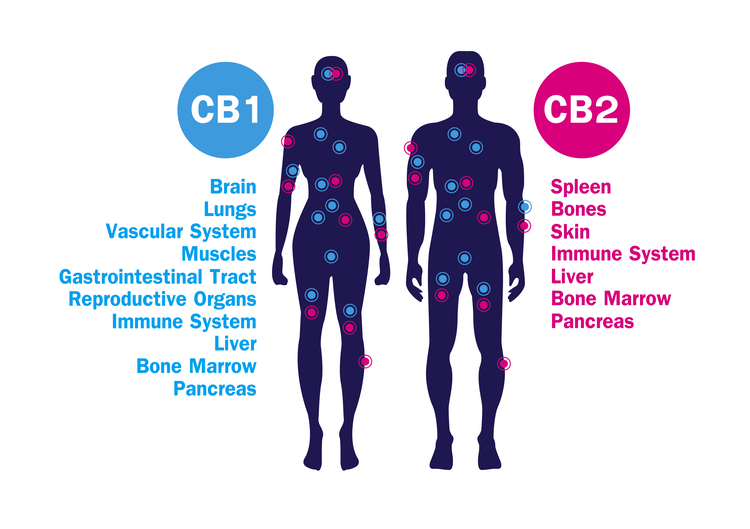
There are 10 times as many CB1 receptors as there are M-opioid receptors in our central nervous system and pain pathways. This means that CB1 endocannabinoid receptors are likely a key regulator of pain sensation in the brain and are closely involved in regulating pain associated with migraine or cluster headaches.
What is the optimal dose of CBD oil for migraine headaches?
CBD dosage can be challenging, especially since everyone responds differently to it. For some people, a small dose is enough to achieve the desired effects, while others need much larger doses. This can make dosing difficult at first, but once you understand how it works in your body, it’s very simple.
It is important to note that many people who are prone to migraines tend to be more sensitive to chemicals. For this reason, we recommend starting slightly below the lowest recommended dose and slowly increasing it.
How long should I use CBD oil for migraines?
The key to using CBD oil effectively for migraines is to take it regularly over a long period of time. By taking small doses of oil throughout the day – usually once in the morning and once in the evening – you will be able to improve your body’s natural ability to maintain neurovascular balance and avoid falling into the spiral of debilitating migraine attacks.
Many people who use CBD oil for this purpose increase their dose when they feel a migraine attack coming on, which stops it in its tracks or reduces its overall severity.

What are migraines?
Migraines are a type of severe, recurring headache accompanied by at least one or more other physical symptoms, such as nausea, vomiting, and sensitivity to light or sound. In many cases, these headaches affect only one side of the head and cause throbbing pain. They can also be triggered by movement and are intense enough to interfere with daily functioning.
Migraines usually last 4 to 8 hours (usually a whole day), but can last up to three days (72 hours). Along with headaches, migraines commonly bring other symptoms such as nausea, sensitivity to light, sound and smells, as well as visual disturbances.
The four phases of migraine headaches
Migraines tend to have different stages. These are not always present and can vary greatly from episode to episode.
Phase 1: Prodromal phase
This phase can begin days, hours or minutes before a migraine attack – it is a common warning sign that a migraine is coming.
It can include a wide range of symptoms that appear before the actual headache. People with chronic migraines usually know what their triggers and early symptoms are. These feelings should prompt people to take preventive medication.
Common symptoms of the prodromal phase include:
- Irritability
- Depression
- Euphoria
- Muscle aches and stiffness
- Constipation or diarrhoea
- Fatigue
- Appetite
- Sensitivity to external stimuli (light, sound, smell, taste, touch)
Phase 2: Aura phase
During the aura phase, people experience strange changes in their vision and/or perception. The appearance of colours may change, the way we interpret smells and tastes may change, and moods may change dramatically. The aura phase usually lasts approximately 1 to 2 hours.
For most people who have regular migraines, this is the most reliable sign that another episode is coming. Some people can even guess how severe their migraine will be based on the severity of the aura phase.

Symptoms of the aura phase include:
- Vision disturbances
- Changes in taste, light, smell, sound, and touch perception
- Speech or language problems
- Feeling dizzy
- Muscle weakness
- Auditory or visual hallucinations
- Paranoia
- Fatigue
Stage 3: Pain stage (the headache itself)
This is the main phase we think of when we talk about migraines. It can vary and is usually very unpredictable, even in people who have regular episodes of migraine headaches. In most cases, migraine headaches affect only one side of the head, but they can affect both sides equally. Some people feel pain in the front of the head, others in the back, and some in the middle.
However, if you suddenly experience the worst headache of your life or have a migraine that lasts longer than 72 hours, seek immediate medical attention at your nearest emergency room.
Symptoms of the pain phase include:
- Severe throbbing headache
- Sensitivity to sensory information (light, sound, taste, smell, touch, and movement)
- Nausea/vomiting
- Blurred vision
- Difficulty speaking
- Feeling dizzy
- Frequent urination
- Pale skin
- Sweating
- Constipation or diarrhoea
- Sore throat
- Confusion
- Irritability
Stage 4: Postdromal phase
The postdromal phase occurs after the migraine has subsided. Many people who have experienced it say it resembles a hangover, but it can last for several days. Some even feel pressure or mild pain in the areas that were most affected by the migraine.
It can leave people feeling tired and depressed for several days after the event. In some cases, people may find that they feel unusually refreshed and carefree during this phase. Some reports even suggest a euphoric state lasting up to a week after the event.
What causes migraine headaches?
Migraine headaches tend to be very elusive for scientists. They are difficult to predict and even more difficult to trace back to a specific cause. However, scientists now have a better understanding of the basics of migraines.
From stress and hormone levels to allergies and exposure to chemicals, all of these are considered factors and potential causes of migraines, but they can vary greatly from person to person.

Common migraine triggers:
- Mental – stress, emotional upset
- Endogenous – hormonal changes, fasting, fatigue, sleep disorders
- Exogenous – certain foods (chocolate, wine, mature cheese, etc.), alcohol, smoke, allergens, nitrates, oral contraceptives, glutamate, tyramine
- Other – weather, bright colours, smells, temperature changes, altitude
One of the main factors being explored in new research is hormone levels. This is because migraines are more common in young boys just before puberty and 2 to 3 times more common in women than in men. In addition, migraines diminish during pregnancy and menopause. All of these factors can be attributed to fluctuations in hormone levels, although scientists still do not know exactly how this works, but there are several strong theories.
There are several theories that are most likely the real causes of hormone-related migraines, including:
- Serotonin/platelet theory
- Sensitisation of peripheral and central areas of the brain due to inflammation
- Muscle spasms of veins and arteries
Serotonin and platelet theory
Serotonin is a neurotransmitter that has many roles in the body. It regulates most of our emotions, sexual function, hormonal balance, and memory. One of the leading theories for the cause of migraines is the excessive release of serotonin from platelets. What does that mean?
A platelet is a type of cell that floats in the bloodstream and plays an important role in how we monitor and control clotting and inflammation in the body. One way it does this is by releasing small amounts of serotonin.
In some cases, these platelets can overreact to the situation and release large amounts of serotonin into the bloodstream, causing blood vessels to dilate and pressure to drop. This essentially causes the regions near the area to go into shock.
If this occurs in the blood vessels of the brain, it can cause blood vessels to dilate and release inflammatory signals that cause symptoms such as severe pain, disorientation, and hypersensitivity to external stimuli, such as sight and smell.
This means that if we can stop the excessive release of serotonin from platelet cells, we can stop or prevent migraine headaches.
Inflammation
We need inflammation to stay healthy. It is how our bodies detect and destroy invading bacteria and viruses. Inflammation promotes healing and prevents further damage to the body by causing pain and redness, which alerts us to treat that part of the body with care.
Unfortunately, inflammation can get out of control and cause many different health problems in the body. One such problem is migraine headaches. A protein found inside cells, known as nuclear factor kappa B (NF-kB for short), is responsible for regulating the production of inflammatory compounds in cells.
NF-kB is the main driving factor in migraine headaches. When this protein becomes unbalanced, it can cause an excess of inflammatory messengers called cytokines (IL-1B, IL-6 and TNF-a). These messengers then trigger a wave of inflammation and pain in the nervous system. Since these messengers are short-lived, the problem usually subsides within a few hours, causing the migraine to typically last a day and gradually disappear.
This cause is particularly common in people who are prone to excessive reactions to food and other allergens. People suffering from asthma and hay fever are also at higher risk of migraines. This means that if we can stop NF-kB from becoming overactive, we can prevent migraines.
Muscle spasms in veins and arteries
All of our arteries have a thin layer of muscle lining them. These muscles are designed to expand and contract to control our blood pressure and allow us to move blood to vital organs such as the brain when needed.
A good example of this happening is when we are outside in the cold. To maintain our core body temperature, the blood vessels in our hands, feet and nose constrict to slow down blood flow in these areas. This helps to keep warm blood closer to our internal organs.
There are other reasons for blood shift, such as after eating, when we need more blood flow to the digestive organs, or after a traumatic injury, when fresh oxygen and nutrients need to be brought to the damaged area.
When the trigeminal nerve is activated by cortically spreading depression, it releases pro-inflammatory molecules to the muscles controlling its blood vessels, which can dilate and fall into spasm, causing severe migraine headaches.
This means that if we can stop excessive vascular spasms between the arteries supplying the brain, we can stop migraines.

How are migraines treated?
Migraine treatment focuses on both prevention and treatment, but it still requires a lot of trial and error and a lot of time due to each person’s unique chemistry. This is because the medications used to treat the causes of migraines vary, and it takes up to six weeks to reach sufficient levels of the medication for it to work.
Most migraine medications have a greater than 50% chance of working after a few weeks. If one medication does not work, doctors will usually switch to another.
Most people who suffer from migraines take prescription medication as a preventive measure. However, people with milder migraines may take painkillers such as ibuprofen and aspirin, but these only help to reduce the intensity of mild episodes. They do little to actually eliminate migraines and are rarely strong enough to completely eliminate symptoms. They are most often used in conjunction with regular prescription medications.
Migraine treatment options:
- Caffeine
- Botox
- Non-steroidal anti-inflammatory drugs (NSAIDs)
- Ergot alkaloids
- Sodium valproate
- Eletriptan
- Frovatriptan
- Almotriptan
- Metoprolol
- Naratriptan
- Propranolol
- Rizatriptan
- Sumatriptan
- Topiramate
- Zolmitriptan
Most of these drugs have a long list of negative side effects, such as ulcers, cardiac vasospasm, and kidney damage. Unfortunately, they provide only minimal relief from migraines for some people. For this reason, many patients who suffer from recurrent migraines turn to other sources of medicine for help.
Herbal Treatment for Migraines
Conventional medicine has an obvious advantage over herbal treatment. However, this is not the case for migraines. There are many herbs with known benefits in the treatment and prevention of migraines. One plant that has shown significant potential in combating the causes and symptoms of migraines is cannabis.
Plants often contain dozens, if not hundreds, of different chemicals. Unlike medicines, it is therefore difficult to precisely characterise the effects of individual compounds, which gives them an additional advantage that can be called a multifaceted approach to treatment.
This means that many chemicals in cannabis may have similar health effects, but they do so through different mechanisms.
For example, cannabis contains up to 80 different cannabinoids and more than 100 different terpenes in its leaves and resin. Some of these cannabinoids help to stop arterial spasms, others stabilise immune cells, etc.
By providing a range of therapeutic options for specific diseases and sharing many common underlying mechanisms, cannabis has the potential to offer a better chance of solving the problem.
This is a common technique used by oncologists in the fight against cancer. By using a cocktail of chemotherapy drugs, each with a slightly different mode of action, they have a much better chance of selecting the right one and curing the patient of cancer.

Summary: Can CBD oil help with migraines?
There are many terms for migraines. They are common, debilitating and mysterious. Doctors and neurobiologists still do not have a definitive explanation for what causes them and how to stop them. However, there are a number of promising theories from which we can begin to search for a cure for this disease. From what is known, it appears that there are ways in which CBD can help.
CBD oil has recently gained popularity as a new and potentially effective method of treating and preventing migraines. It works in several different but interrelated ways to combat the processes that trigger migraines.
It is likely that the use of CBD and CBD oil will become a standard complementary treatment for this condition over the next few years, as further research sheds light on the incredible benefits of this humble plant extract.
Author: Elena Moreau
Photo: Shutterstock
“All information provided on this website, as well as information provided through this website, is for educational purposes only. None of the information contained herein is intended to be a substitute for a medical diagnosis and should not be considered medical advice or recommended treatment. This website does not endorse, condones or advocate the licit or illicit use of narcotic drugs or psychotropic substances or the commission of any other illegal activity. For more information, please see our Disclaimer.”
Imported from Canatura. Links have been converted to thcvapestores.com where possible.