CBD and Pain: What the Research Says So Far

CBD is widely used by people with everyday aches and long-term pain, and just as widely oversold. This short guide separates what studies have found from what marketing claims, and explains how the different CBD formats differ in practice. For the longer version, including what NICE decided, read CBD and chronic pain: what the research says.
This article is general information, not medical advice. Cannabinoid products sold by THC Vape Stores are not medicines and are not intended to diagnose, treat, cure or prevent any condition. If you have a health condition, take medication, or are pregnant or breastfeeding, speak to a healthcare professional before using any cannabinoid product. Adults 18+ only.
Why CBD is associated with pain
CBD interacts with several receptor systems involved in pain and inflammation signalling – including TRPV1 and, indirectly, the endocannabinoid system. In cell and animal studies it shows anti-inflammatory and pain-modulating activity. That biology explains the interest; it does not, on its own, show that CBD products relieve pain in people.
What human studies show
- Most positive trials involved THC-containing medicines, not CBD alone; average benefits were small and side effects more common than placebo.
- CBD-only human trials are few, small and short, with mixed results. NICE (NG144, 2019) advises using CBD for chronic pain only within a clinical trial.
- User surveys report benefit, but without control groups they cannot separate CBD’s effect from expectation, routine and the natural course of pain.
The formats and how they differ
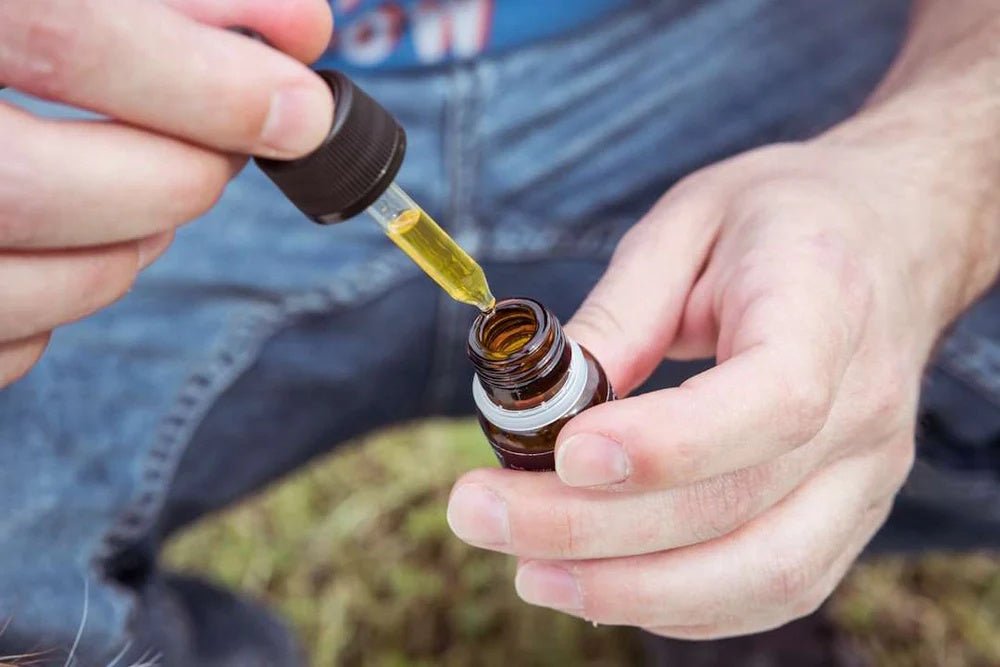
- Oils and tinctures – taken under the tongue; onset within roughly 15–45 minutes; strength is per bottle, so use our strength guide to work out the dose per drop.
- Gummies and capsules – a fixed dose per piece; slower onset (60–90 minutes) because they pass through digestion. See the CBD gummies buying guide.
- CBD vapes – fastest onset, shortest duration; no controlled evidence in pain. Read THC vape vs CBD vape first.
- Topicals – balms, gels and roll-ons applied to the skin; evidence for any effect on pain is preclinical. See the topicals guide.
- CBD flower and hash – contain the plant’s full cannabinoid and terpene profile; note that raw CBD flower is not an “exempt product” under UK law – see our UK legal guide.
Dosing, safety and what to avoid
The Food Standards Agency advises healthy adults not to take more than 10 mg of CBD a day from food supplements, and says CBD is not recommended for under-18s, people taking medication, or anyone pregnant or breastfeeding. CBD can interact with medicines processed by the liver, so speak to a pharmacist if you take regular medication. Choose products with a batch Certificate of Analysis (how to read one) and treat “pain relief”, “clinically proven” or “medical grade” wording on supplements as a warning sign – UK advertising rules do not allow it.
The honest summary
CBD is a well-tolerated compound with interesting biology and a thin human evidence base for pain. Some people find it a useful part of their routine within the FSA limits; it is not a treatment, and it should not replace advice from a GP or pain clinic.
Sources: NICE NG144 (2019); Mücke et al., Cochrane (2018); WHO Cannabidiol Critical Review (2018); Food Standards Agency CBD consumer advice.
Shop the range
Ready to buy? This article relates to our CBD, CBD gummies and CBD oils ranges. Cannabinoid content is stated on each listing; see our guide to UK THC law before you order.
View the full shop at THC Vape Stores with fast, discreet UK delivery and Europe shipping.
Adults 18+ only. This article is general information, not medical advice. Our products are not intended to diagnose, treat, cure or prevent any disease. If you have a health condition, are pregnant or breastfeeding, or take medication, speak to a qualified healthcare professional before using any cannabinoid product.